
Low‑Maintenance Living Options In Cow Hollow
July 16, 2026
July 16, 2026
If you love Cow Hollow but do not love the idea of constant upkeep, you are not alone. Many buyers want the neighborhood’s location, character, and compact city living without taking on a never-ending list of exterior repairs, landscaping work, or building headaches. The good news is that low-maintenance living does exist here, but it usually looks different than it would in a newer suburban market. Let’s dive in.
Cow Hollow is shaped by older housing stock, hillside topography, and a compact urban layout. San Francisco planning guidelines describe the neighborhood as largely made up of two- and three-story buildings, with taller buildings treated as exceptions.
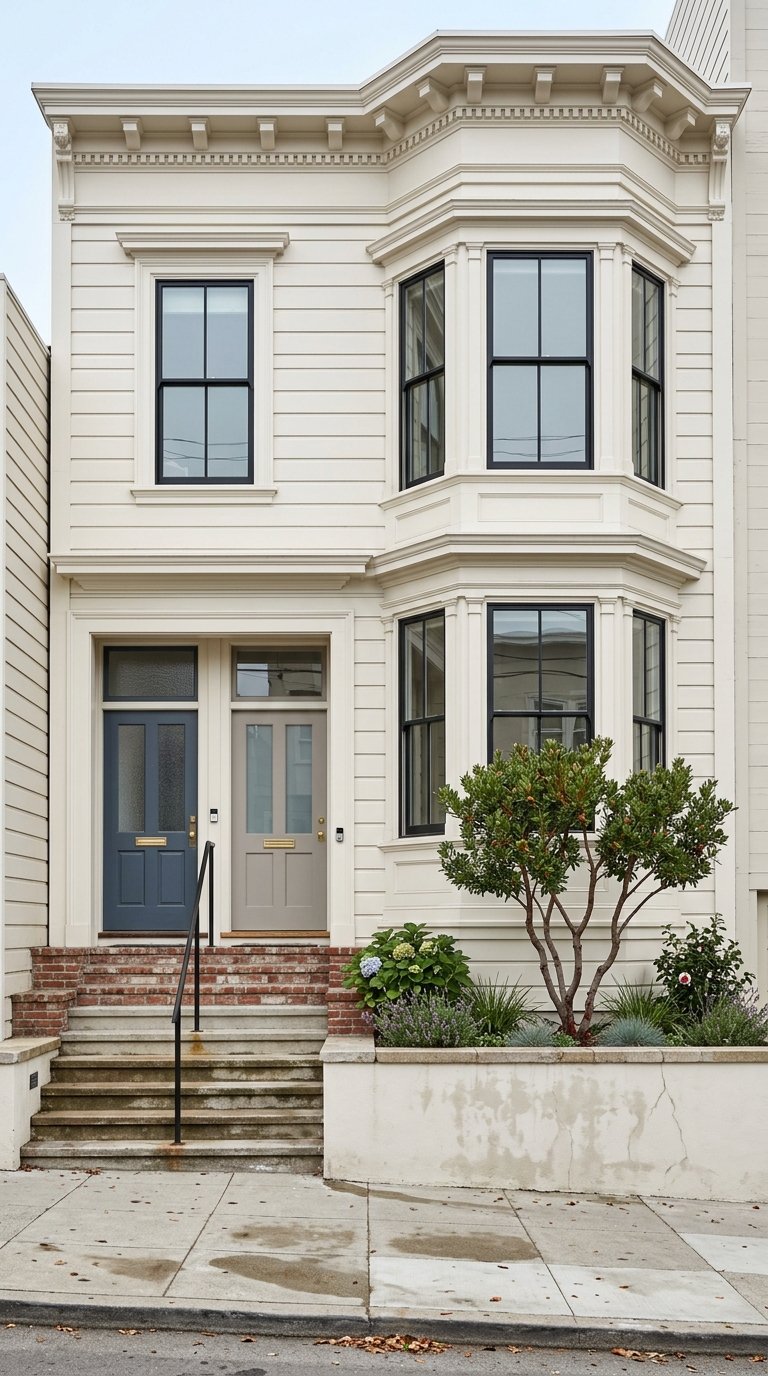
Much of the area developed after 1890, with Victorian, Edwardian, Mediterranean, Mission, Romanesque Revival, Tudor, and California Craftsman influences still visible today. That means your lower-maintenance options are often condos, townhome-style infill, or already-updated smaller homes rather than brand-new detached properties with modern master-planned layouts.
This also plays out in pricing and availability. Recent market trackers showed a median sale price around $3.6 million, average days on market of 13 for the three months ending May 2026, and extremely limited inventory. In a market like that, choosing a low-maintenance home is not just about convenience. It is also about making a smart decision on cost, structure, and long-term risk.
For most buyers, condos are the clearest low-maintenance option in Cow Hollow. Under California Civil Code section 4775, associations are generally responsible for maintaining, repairing, and replacing common areas, while owners are responsible for their separate interest.
In plain English, that often means less personal responsibility for exterior upkeep, shared roofs, common hallways, and other building-wide items. If your goal is to reduce hands-on chores and simplify day-to-day ownership, a well-run condo usually offers the most direct path.
That said, low-maintenance does not mean low-cost. You are often trading direct repair work for HOA dues, reserve contributions, and association rules. A condo can save time, but it also requires you to evaluate the health of the building and the people managing it.
Townhome-style homes can appeal to buyers who want a more house-like feel without taking on the full workload of a detached property. In Cow Hollow, this can be an attractive middle option, especially if you want more privacy, direct entry, or a layout that feels less like a traditional apartment.
But appearance alone does not tell you enough. Two properties that look similar from the street may have very different legal structures, and that can affect both maintenance responsibility and financing. Fannie Mae distinguishes planned unit developments, or PUDs, from condos based on ownership structure, HOA requirements, and common property arrangements.
That matters because your ownership experience can change based on the legal setup. A townhome-style property may feel simple on the surface, but you still need to understand who maintains what, how the HOA works, and whether the property fits lender guidelines.
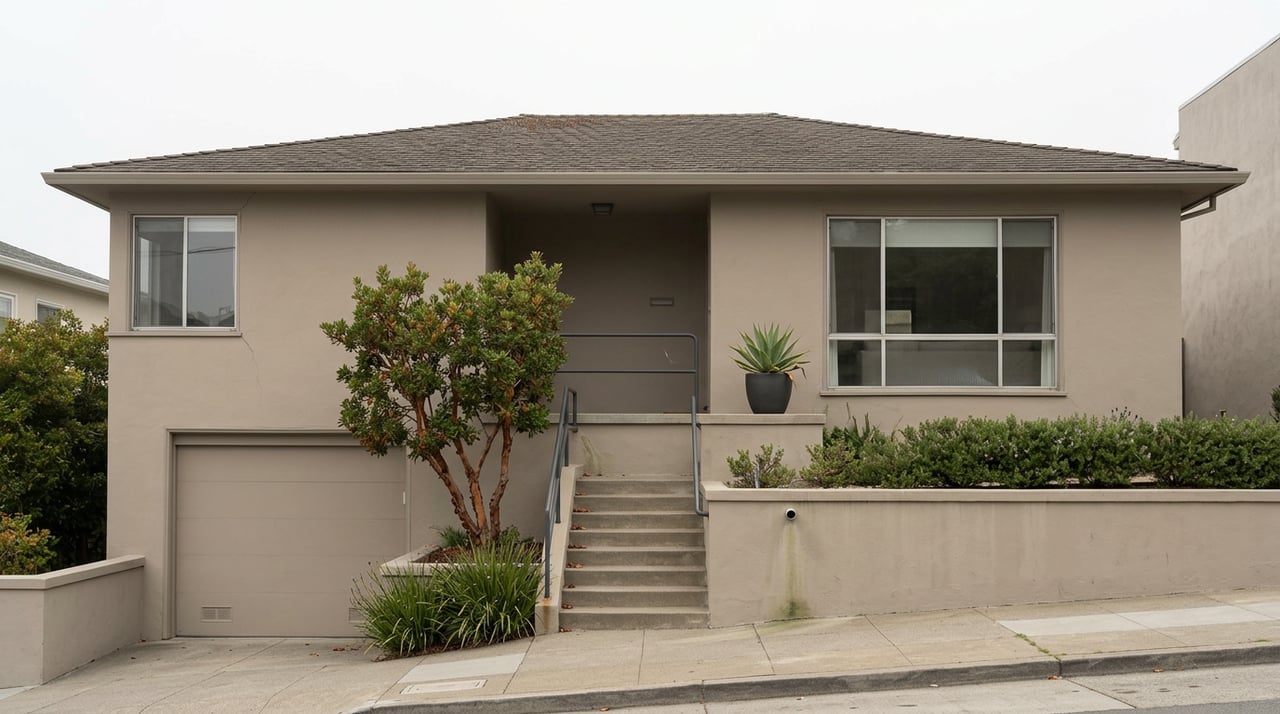
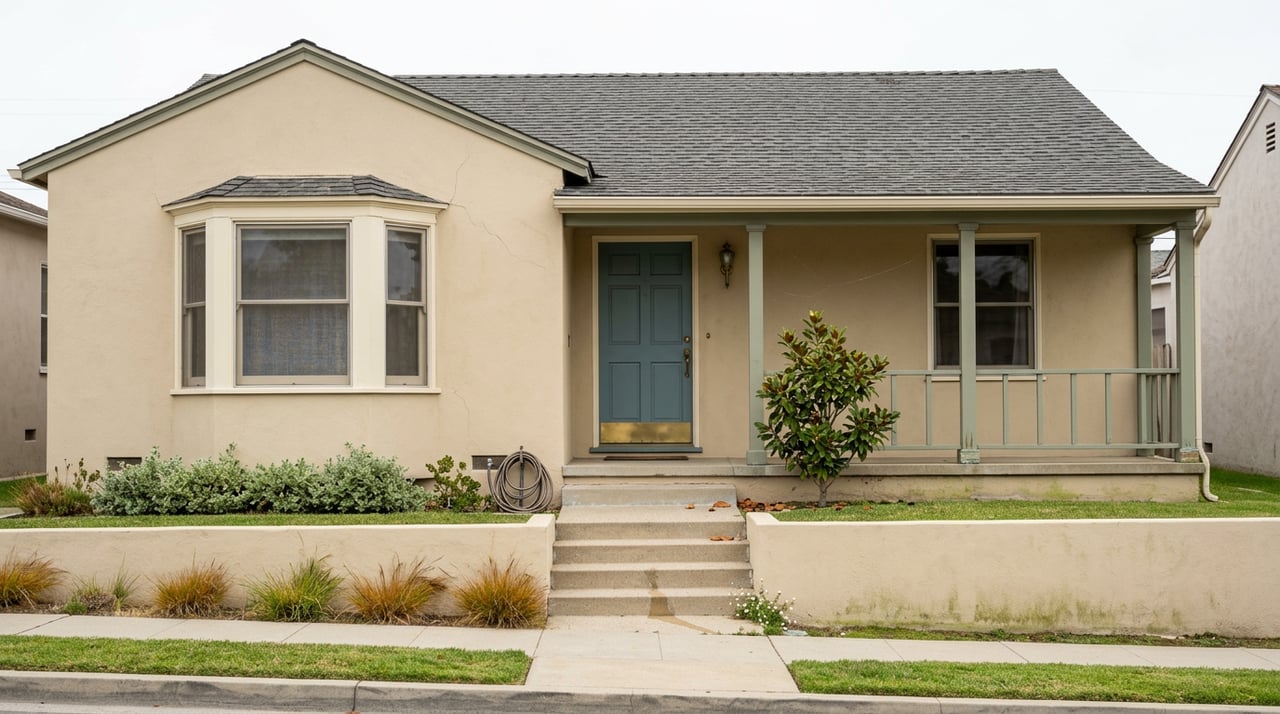
A detached home can still be relatively low-maintenance if it has minimal outdoor space and updated systems. In Cow Hollow, some properties naturally offer smaller footprints, patios, or compact yards due to lot coverage patterns and open-space rules.
This option can work well if you value privacy and want to avoid HOA governance. You control the property, make your own decisions, and do not need building-wide approval for routine matters that fall within your ownership.
The tradeoff is simple. You become responsible for the maintenance department. That includes exterior systems, any yard or patio care, and the timing and cost of repairs.
If you are comparing low-maintenance homes, the biggest question is often not the finish level or the floor plan. It is who is responsible for future work.
In a condo, much of the visible maintenance burden is shifted to the HOA. In a detached home, that burden usually stays with you. In a townhome-style property, the answer may depend on the legal structure and governing documents.
This is why a seemingly easy-care home can still become complicated. The real lifestyle difference comes from how maintenance obligations are divided, not just how polished the property looks during a showing.
Monthly HOA dues only tell part of the story. California reserve rules require qualifying associations to inspect major components at least once every three years, review the reserve study annually, and disclose funding plans and assessment information.
That gives you a better lens for evaluating whether a building is truly low-maintenance over time. A building with healthy reserves may support smoother ownership because future roof, paving, or shared-system costs are planned for. A building with weak reserves may look easy today but create expensive surprises later.
The California Department of Real Estate notes that reserve studies are designed to help fund long-term replacement needs for major common-area components. For you as a buyer, that means the smart question is not just, “What are the dues?” It is also, “Are the dues enough to support the building’s future needs?”
Amenities may feel convenient, but they often add cost and operational complexity. Elevators, garages, courtyards, gyms, concierge-style services, and other shared features usually mean larger association budgets because those systems must be maintained, insured, and funded over time.
That does not mean you should avoid amenities. It means you should weigh whether the convenience is worth the added monthly expense and whether the HOA has realistically planned for long-term upkeep.
San Francisco’s secured property tax rate for fiscal year 2025 to 2026 is 1.18268325%. The city also notes that direct charges and special assessments can appear on the tax bill, and that a change in ownership or new construction can trigger reassessment and a supplemental bill.
In Cow Hollow’s high-price environment, that matters. Even if a home reduces your maintenance workload, your total monthly carrying costs may still be significant once taxes, HOA dues, and insurance are folded in.
Cow Hollow remains a premium market with low inventory. Recent reporting showed just five homes for sale in one June 2026 snapshot, along with a sale-to-list ratio of 122%.
That kind of competition can push buyers to move quickly. But if low-maintenance living is your goal, speed should not come at the expense of document review. In this neighborhood, the cleaner and simpler ownership structure often matters just as much as the finishes.
Low-maintenance living is also a financing question. Fannie Mae treats project eligibility risk separately from borrower credit risk, which means a condo project itself may need to meet standards beyond your personal loan qualifications.
HUD follows a similar logic for FHA condo financing, with project approval or single-unit approval requirements depending on the situation. Required documents can include budgets, reserve studies, insurance, bylaws, CC&Rs, litigation information, and documentation of special assessments or loans.
This is one reason some attractive buildings can be harder to buy than expected. A unit may look turnkey, but if the project documents do not satisfy lender review, your financing path may be less straightforward.
In an older neighborhood like Cow Hollow, converted condo buildings can require especially careful due diligence. Fannie Mae’s guidance for certain project reviews calls for current reserve studies, budget support, and funding for items needing replacement within five years.
That makes practical sense. In a neighborhood defined by historic housing stock, a beautiful building may still have important long-term capital needs. If your goal is lower maintenance and lower transaction friction, document quality matters almost as much as the unit itself.
A well-run condo with modest amenities, documented reserves, and straightforward lender eligibility is often the strongest fit. This setup usually gives you the biggest reduction in personal upkeep while keeping the ownership model relatively clear.
A townhome-style property or newer infill home can work well if you want a little more separation and a less apartment-like layout. Just make sure you understand whether it is legally a condo, a PUD, or another structure, because that changes both financing and maintenance expectations.
A smaller detached home may be the right answer if you want control over decisions and fewer HOA constraints. It can still be relatively easy to manage if the outdoor space is limited and the home has already been updated, but you should expect to handle repairs and exterior work directly.
In Cow Hollow, the lowest-maintenance home is not always the one with the newest kitchen or the fewest visible chores. More often, it is the property with the clearest ownership structure, realistic reserve funding, and the least uncertainty around future repairs and financing.
That is especially true in an older, high-value neighborhood where building history, HOA health, and lender review can all affect your experience after closing. If you want low-maintenance living here, focus on the full ownership picture, not just the listing photos.
If you want help comparing condos, townhome-style homes, or smaller detached options in Cow Hollow, James Kil can help you evaluate the maintenance, financing, and long-term cost side of the decision with clear, lender-aware guidance.
Stay up to date on the latest real estate trends.





His background allows him to comfortably tune in to the ebbs and flows of the ever-changing market and provide uniquely catered advice to anyone, and he has built an extensive team of partners to leverage for the benefit of his clients.