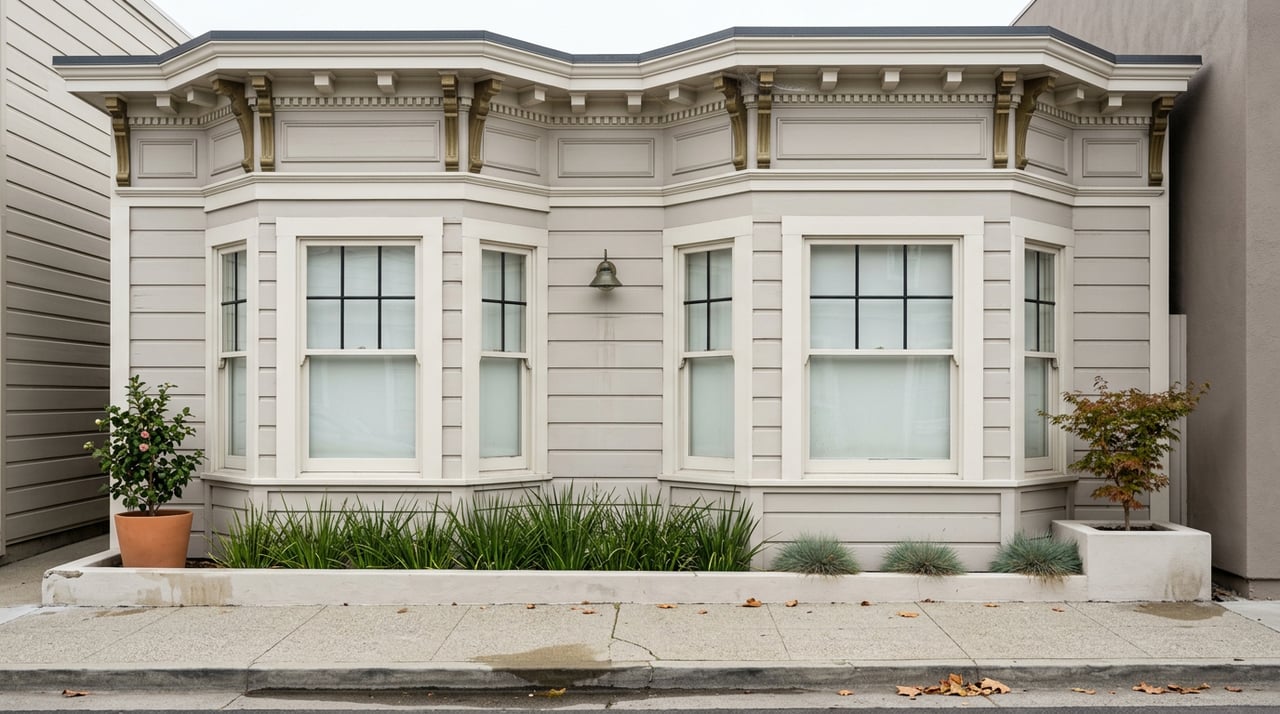
Torn between a single-family home and a condo in San Francisco’s Sunset District? You are not alone. You want the right mix of space, convenience, and long-term value without surprises. In this guide, you will learn how homes and condos in the Inner and Outer Sunset and Parkside compare on layout, costs, financing, lifestyle, parking, renovations, and resale. Let’s dive in.
Sunset housing at a glance
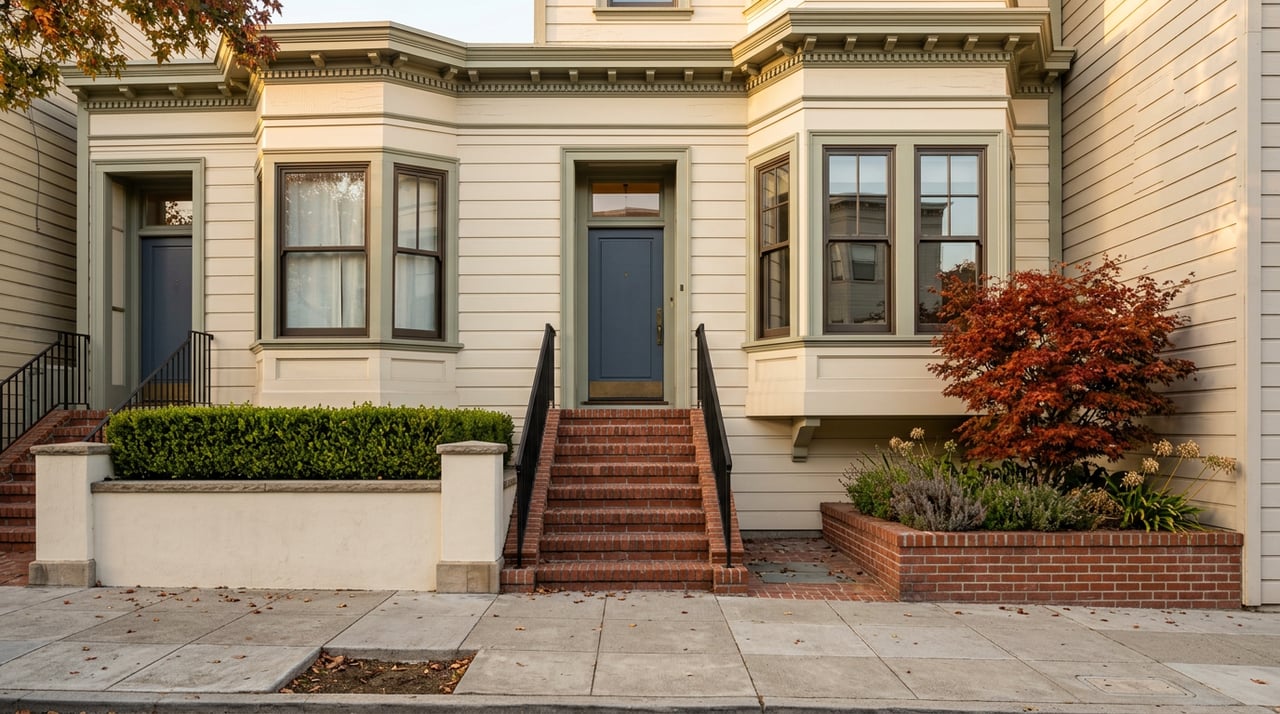
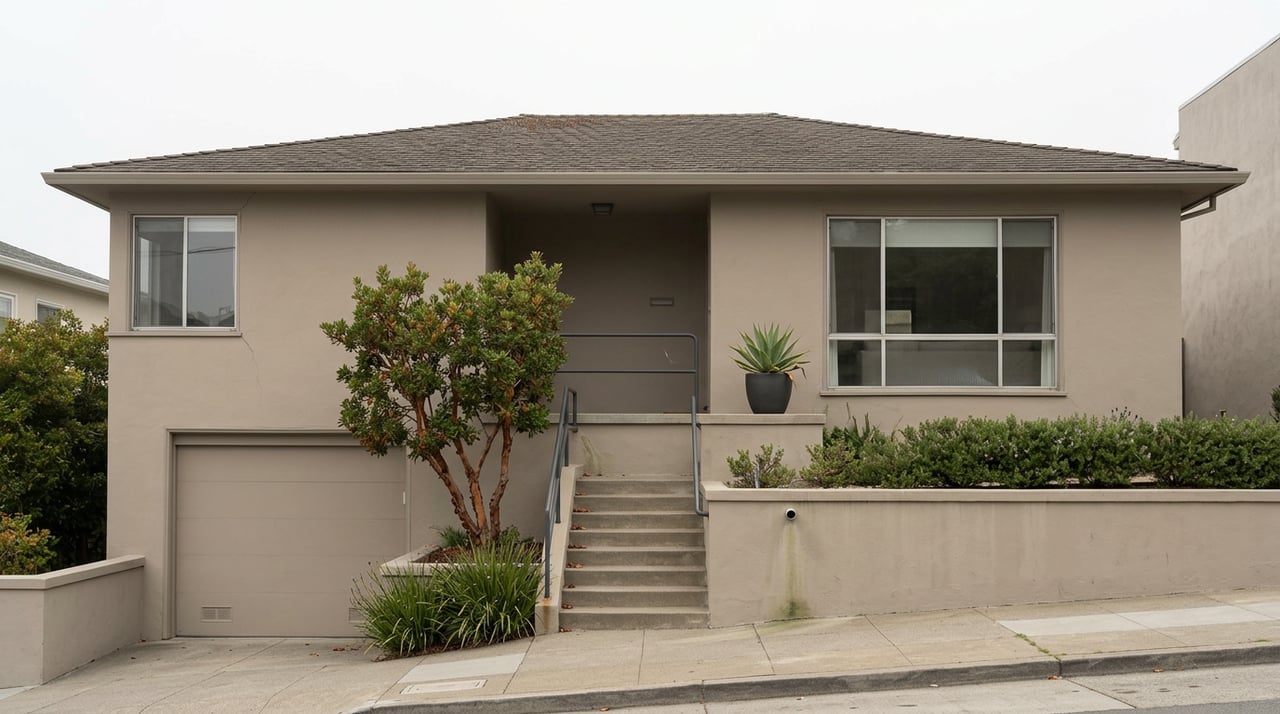
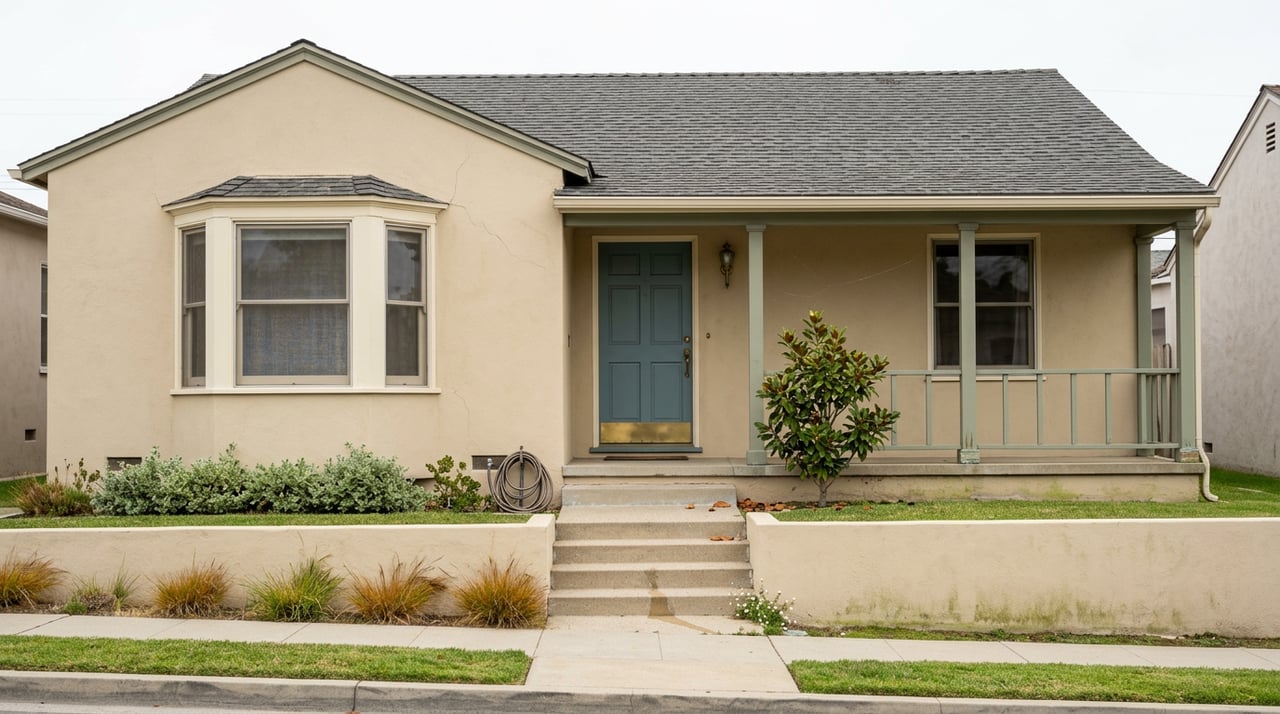
Single-family homes: You will see many mid-20th-century houses in stucco Edwardian or post-war styles, often 2 to 4 bedrooms. Expect a private lot, garage or driveway, and sometimes a basement or finished lower level. You control interiors and most systems and have a private yard.
Condos and small buildings: Many 2 to 4 unit buildings have been converted to condos. You will also find smaller condo complexes with 3 to 20 units. Units range from studios to 3 bedrooms. Outdoor space is usually a balcony or shared yard and overall square footage is often smaller than a house at a similar price point.
Outdoor space: Single-family homes typically offer private yards suitable for pets, gardening, or play space. Condo outdoor areas are more limited and often governed by HOA rules for common areas or limited common elements.
Cost of ownership
Choosing between a home and a condo is often about how you prefer to spend money over time.
HOA dues vs self-management
- Condos: Monthly HOA dues are common. Dues can include exterior maintenance, roof, landscaping, master insurance, reserves, garbage, and sometimes utilities. Dues affect monthly affordability and mortgage qualification.
- Single-family: Most Sunset houses do not have HOAs. You handle all exterior and structural upkeep, yard care, and full property insurance.
Maintenance and lifecycle costs
- Condos: Dues can make budgeting predictable, but you trade control for convenience. Dues can rise, and small associations may levy special assessments for big projects like roofs or seismic work.
- Single-family: You will face more variable costs for roof, siding, yard, and driveway. You decide when and how to tackle projects.
Insurance differences
- Single-family: A homeowner policy (HO-3 or HO-5) covers your structure, liability, and contents.
- Condo: You carry an HO-6 policy for interior “walls-in” coverage and personal property. The HOA carries a master policy for the building exterior and common areas. Review coverage levels and deductibles so you understand possible out-of-pocket exposure.
Taxes and utilities
- California property taxes are set at purchase and generally increase in limited annual steps under Prop 13. Local parcel taxes or assessments may apply.
- Utilities vary. Some HOAs include water or trash. Single-family owners usually pay all utilities directly.
Financing and underwriting
Condo financing involves the borrower and the building. Single-family financing focuses more on the borrower and the property itself.
HOA dues in mortgage math
- Lenders include HOA dues in the debt-to-income calculation and in the monthly qualifying payment. Higher dues can reduce the loan amount you qualify for.
Conventional vs FHA/VA
- Conventional loans are widely used for both property types.
- FHA and VA loans often require the condo project to be on an approved list. If the building is not approved, your options may include a different loan program or a larger down payment.
Project reviews and lender overlays
- Lenders may require minimum owner-occupancy levels, adequate reserves, limited delinquent dues, and no pending litigation. Very small associations sometimes face tighter underwriting or higher borrower reserve requirements.
Appraisals and valuation
- Appraisers compare condos to nearby condos and houses to nearby houses. Condos are appraised in the context of the overall project. Limited comparable sales can increase appraisal risk.
Cash vs mortgage
- In competitive San Francisco markets, cash purchases occur across both condos and homes. Condos often attract a mix of first-time buyers and some investors, depending on rental rules. Single-family purchases often attract owner-occupants seeking more space.
Lifestyle, parking, and commute
Outdoor and space needs
- If private yard space, play areas, or gardening matter to you, single-family homes fit well.
- If you want lower maintenance and can trade private yard for simpler living, a condo may be the right fit.
Parking and street rules
- Many Sunset houses include garages or driveways, and off-street parking is common.
- Condo parking varies. Some units include deeded spaces, some have assigned or limited shared parking, and others have none. Parking availability is a major resale factor.
- The Sunset is subject to San Francisco parking regulations and possible Residential Parking Permit zones. Street parking and permits matter if you have multiple cars or frequent visitors.
Transit and commute patterns
- Inner Sunset benefits from Muni service, including the N Judah line to downtown, plus bus routes along major corridors. It is also close to the UCSF Parnassus campus.
- Outer Sunset is farther from downtown rail corridors but has bus lines and car access via 19th Ave and CA-1. Homes farther west can add commute minutes compared with units near N Judah stops. Test your route during typical work hours.
Renovations and ADUs
Single-family flexibility
- Homeowners generally have more practical paths to add an Accessory Dwelling Unit or make expansions, subject to zoning, permits, and utilities.
Condo constraints
- Adding ADUs to condo buildings is often infeasible because it affects common areas and requires significant HOA approval.
Seismic and code items
- Multifamily buildings may face local seismic retrofit or code upgrade requirements. Always review inspection reports and ask about required or pending work.
Resale and liquidity
Buyer profiles
- Single-family: Often chosen by buyers prioritizing space, privacy, and outdoor areas, and by those who value lot ownership and future expansion potential.
- Condo: Appeals to first-time buyers, downsizers, and professionals who want lower-maintenance living and proximity to amenities or transit.
Pricing and appreciation drivers
- Single-family homes often command a premium due to land value and privacy. Condos usually offer a lower entry price point. Appreciation patterns differ across cycles and can be influenced by HOA dues and building reputation.
HOA rules and rentals
- Some HOAs limit or manage rentals through caps or waitlists and may have transfer fees. Local rent and eviction rules still apply. If you plan to rent, review HOA restrictions early.
Due diligence focus
- Condos: Review CC&Rs, financials, reserve study, insurance declarations, meeting minutes, any litigation, and planned or recent special assessments.
- Single-family: Focus on structure, foundation, drainage, roof, plumbing, and heating systems. In areas near Ocean Beach, pay special attention to yard drainage and older lot conditions.
Common risk flags
- Underfunded reserves or pending assessments in HOAs.
- High deductibles on HOA master policies that can lead to owner assessments after a loss.
- Limited or no parking that affects daily convenience and resale.
- Seismic upgrade needs or deferred maintenance in older multiunit buildings.
- Condo projects that do not meet FHA, VA, or investor guidelines, which can narrow the buyer pool.
Quick decision guide
A single-family home may fit you if:
- You want a private yard and more interior space.
- You prefer control over maintenance timing and upgrades.
- You value a garage or driveway and easier parking.
- You are exploring ADU potential for space or flexibility.
A condo may fit you if:
- You want lower maintenance with predictable monthly dues.
- You prefer a smaller footprint near transit or amenities.
- You are comfortable with HOA rules and shared decision-making.
- You want a lower entry price than many single-family options.
Property review checklist
Use this list for any Sunset property you are considering.
- Review recent comparable sales of the same property type nearby. Do not cross-compare houses to condos.
- For condos: request HOA budget, dues history, reserve study, meeting minutes, CC&Rs, insurance declarations, and details on any litigation or special assessments.
- Ask your lender how HOA dues change your qualifying payment and maximum loan amount.
- Confirm parking: deeded, assigned, or none. Check for Residential Parking Permit requirements on your block.
- Order a thorough inspection. For condos, assess unit systems and common areas. For homes, focus on structure, foundation, drainage, roof, plumbing, and heating.
- Ask about ADU or addition potential for single-family homes and understand condo limits.
- Verify the property tax basis at purchase and any supplemental assessments.
Questions to ask your lender or attorney
- Is the condo project approved for FHA or VA? If not, what are your alternatives?
- Have HOA dues increased recently, or are special assessments planned?
- What is the owner-occupancy rate, and could it affect lending or resale?
- What are the master policy coverage limits and deductibles, and how do they affect owners in a loss?
How I help you compare Sunset options
Buying in the Sunset is about fit and risk control. You deserve clear tradeoffs, not surprises. With a background in mortgage underwriting and condo warrantability, I help you:
- Model total monthly costs, including HOA dues and insurance, so you see the true payment.
- Pre-check condo project health, including reserves, occupancy, and insurance details, to avoid loan or appraisal hurdles.
- Map lifestyle tradeoffs like parking, transit, and potential for ADUs or expansions.
- Run a clean, low-friction process with vetted inspectors and contractors.
Ready to compare your options with confidence? Schedule a free consultation with James Kil to build a clear plan for your Sunset move.
FAQs
What is usually cheaper up front in the Sunset?
- Condos typically offer lower purchase prices for similar interior space, while single-family homes cost more due to land value and privacy.
How do condo HOA dues affect my mortgage approval?
- Lenders add monthly dues to your qualifying payment and debt-to-income ratio, which can reduce the loan amount you qualify for.
Can I use FHA or VA financing for a Sunset condo?
- Possibly. Many programs require the condo project to be approved. If not, you may need a different loan product or a higher down payment.
Who pays for major repairs in a condo versus a house?
- Condo owners pay interior repairs and share of common-area costs through dues and special assessments. Single-family owners pay all repairs themselves.
Are condos in the Sunset harder to resell later?
- Not necessarily. Resale depends on HOA health, parking, location, and project reputation. Small or financially weak HOAs can reduce demand.
Can I build an ADU in the Sunset?
- Single-family homes generally have more practical ADU paths, subject to permits and zoning. ADUs in condo buildings are often infeasible due to common-area impacts and HOA approval requirements.