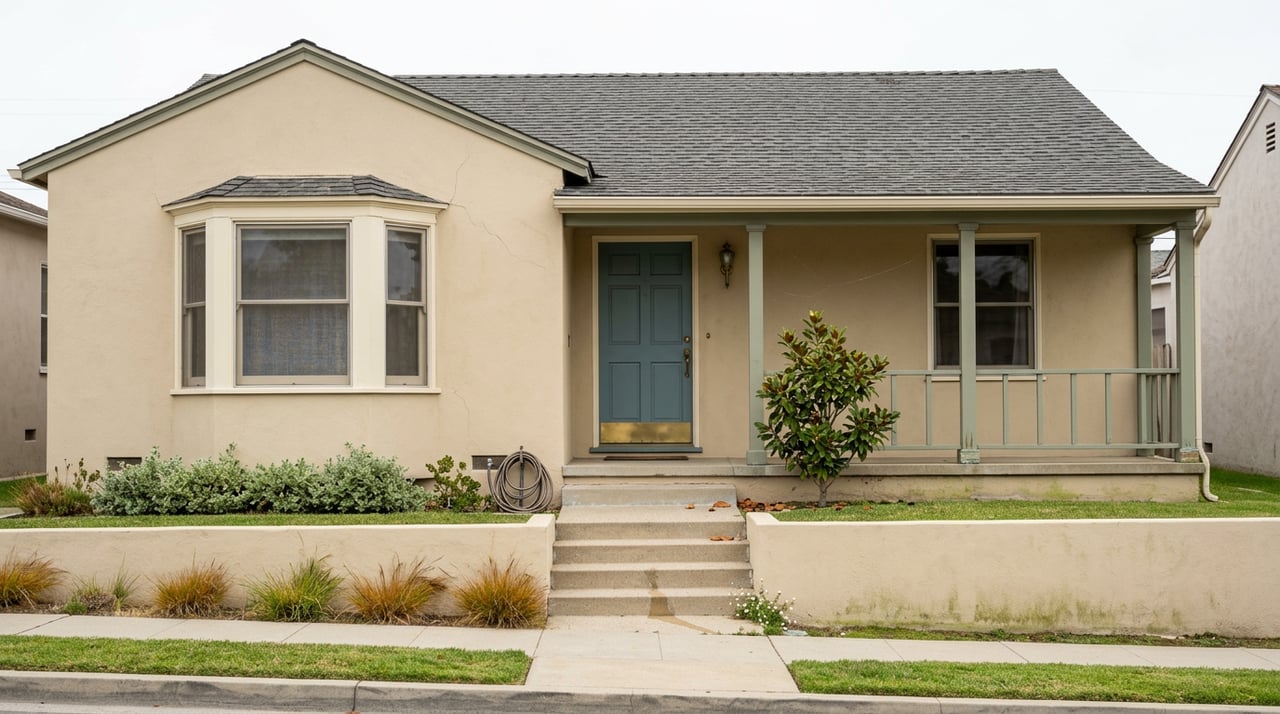
If you split life between San Francisco meetings and Peninsula offices, choosing the right San Mateo home can cut hours of frustration from your week. You want direct rail access or easy highway options, sane monthly costs, and a neighborhood that fits your routine. In this guide, you’ll see how San Mateo’s housing types line up with common commute patterns, what typical costs look like, and which areas map well to your daily routes. Let’s dive in.
Why San Mateo works for commuters
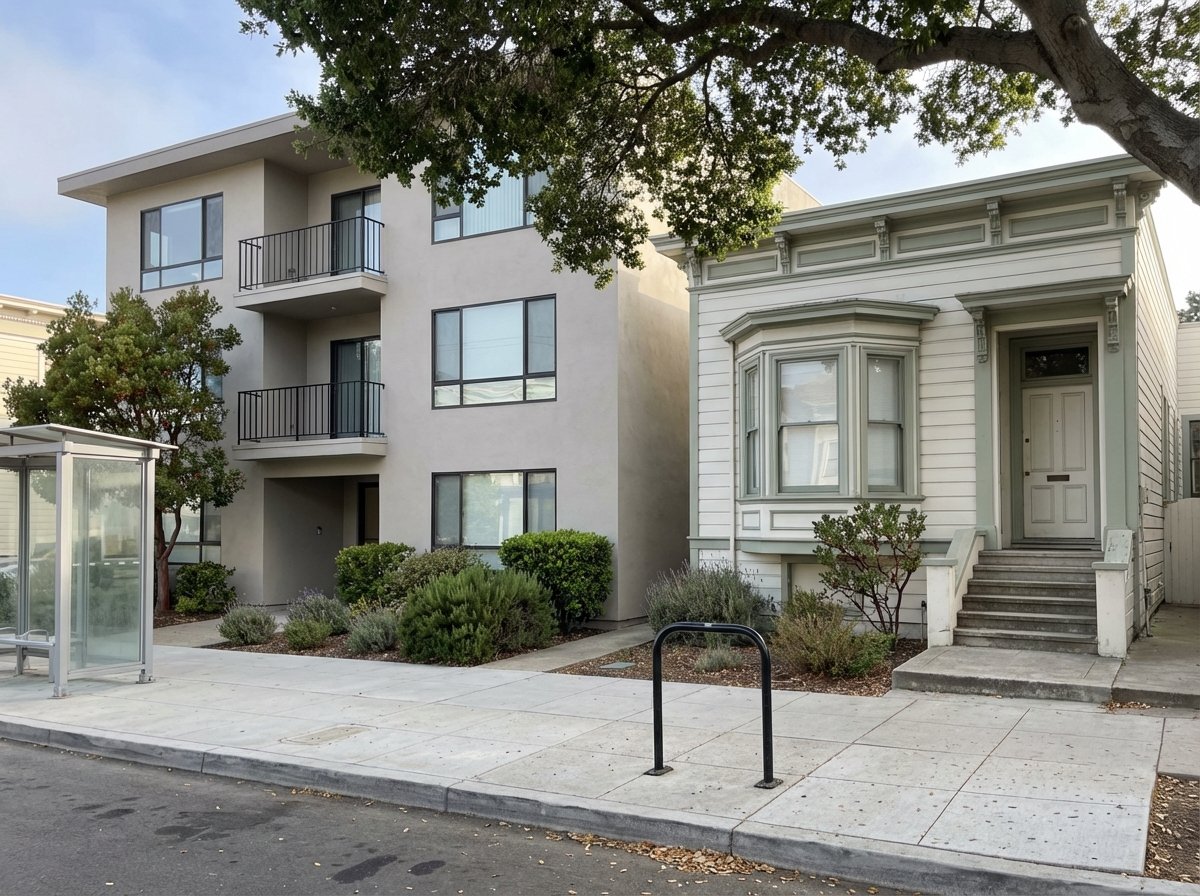
San Mateo sits in the center of the Peninsula, so you can go north to San Francisco or south to Silicon Valley with similar ease. The city’s housing stock includes downtown condos near Caltrain, townhomes along transit corridors, and single-family neighborhoods farther west. That mix lets you trade space for time or time for space, depending on your priorities.
City data backs up the pattern. San Mateo shows a roughly 50 percent owner-occupied rate and a mean travel time to work near 26 minutes, which reflects its compact, transit-friendly layout. You can view those figures on the U.S. Census Bureau’s QuickFacts page for the city. San Mateo QuickFacts shows the 26-minute mean commute and a median value for owner-occupied homes near $1.62M.
Commute options snapshot
Caltrain is the Peninsula’s rail spine and now runs more frequent, electrified service that helps both northbound and southbound trips. For schedules, frequency updates, and station info, check Caltrain’s Go service overview.
- San Mateo to San Francisco by Caltrain commonly runs about 25 to 35 minutes depending on train type and time of day. Aggregated planners show an average around 29 minutes for this station pair. You can see a representative range on this Rome2Rio summary for San Mateo to San Francisco Caltrain.
- San Mateo to Redwood City is often 10 to 15 minutes by Caltrain. Palo Alto is typically 20 to 35 minutes depending on stop patterns. Confirm the current timetable on Caltrain’s service page.
- BART does not run through central San Mateo. The nearest access points are Millbrae and South San Francisco for riders who need direct BART connections. See transfer points on Caltrain’s station and service info.
- SamTrans buses handle last-mile links and station feeders. Schedules adjust at times to sync with rail. For updates, see SamTrans service change notices.
Parking near popular stations can fill early. Some lots require permits or paid parking, so check the station page before you plan a park-and-ride routine on Caltrain’s Go site.
Neighborhoods by commute fit
San Mateo’s official planning maps outline downtown, station areas, and residential tracts. Review the city’s map to see exact boundaries for areas like Downtown/Station, Hillsdale, and westside single-family districts such as Baywood/Meadow and Aragon. Explore the City of San Mateo’s neighborhood and planning maps.
- Best for SF rail commuters: Downtown and station-adjacent pockets let you walk to the platform in minutes. You’ll find more condos and townhomes, plus small-lot single-family options on select blocks. This setup trims your last-mile time and avoids parking stress.
- Balanced for both directions: The El Camino Real and Hillsdale corridors give you a blend of mid-rise condos and quick access to US‑101 or I‑280. If you mix Caltrain with highway trips to meetings up and down the Peninsula, this is a flexible base.
- Best for southbound drivers: Southern San Mateo and areas close to the Hillsdale station can shorten drive or rail time to Menlo Park, Palo Alto, Mountain View, and beyond. If you are mostly southbound, compare I‑280’s smoother flow with US‑101’s directness at your commute times.
Quick decision checklist
- If you ride Caltrain to San Francisco most days, target a downtown or station-area condo or a small single-family within a short walk of the platform. Verify current train frequency and station parking before you decide. Check Caltrain service details.
- If you head south to Silicon Valley, look at southern San Mateo or Hillsdale-area homes to shave minutes off your trip. Use the city planning map to orient neighborhoods relative to I‑280, US‑101, and stations.
- If you work hybrid or WFH part-time, consider a lower-cost condo near transit and accept one or two longer commute days. Model your monthly ownership cost alongside passes, parking, and tolls using Caltrain fare resources.
What homes cost in today’s market
Citywide, median sale prices in San Mateo recently hovered around the mid to high $1M range. A January 2026 snapshot showed a median near about $1.45M, while a broader home-value index placed typical value near $1.6M. Nearby, Redwood City posted a higher median around $1.9M in the same period. The takeaway is that price points shift along the Peninsula, which is one reason many buyers look closely at San Mateo for value relative to commute.
Actual listings vary widely by bedroom count, lot size, finishes, and location. Use medians as city anchors, then evaluate each home’s specifics with your lender scenarios.
Condos vs single-family: real tradeoffs
Entry price. Condos in San Mateo often start well below single-family prices. Recent examples show many condos trading from the mid $500s to the low $900s, while single-family homes sit well above $1M citywide. That entry gap can be the difference between buying now or waiting.
HOA dues. Typical condo HOA ranges in San Mateo run about 460 to 780 dollars per month, based on recent listings across downtown and marina-adjacent complexes. Dues commonly cover exterior maintenance, common-area insurance, and shared amenities such as pools or clubhouses. Some communities include portions of utilities. Match the line items to your budget to avoid surprises.
Maintenance and reserves. Condos shift much of the exterior upkeep and big-ticket planning to the homeowners association. You still need an HO‑6 interior policy and a close look at the HOA’s reserve study, budget, and any recent special assessments. Strong reserves reduce risk of large future dues jumps.
Lifestyle and time. Condos near Caltrain can trim your commute and support a walkable routine. Single-family homes offer yards, garages, and privacy, but you may add 10 to 30 minutes of daily driving time in some commute scenarios. Decide how much your time is worth during the week.
What your monthly cost should include
To compare apples to apples, build a full monthly number for each property type.
- Mortgage and interest. Ask your lender for scenarios by down payment and rate. A lender-aware review helps you spot underwriting issues early, especially with condos.
- Property taxes. California’s baseline is 1 percent of assessed value under Proposition 13, plus local bonds and assessments. Typical effective rates for San Mateo parcels often land in the 1.1 to 1.4 percent range. See a city- and county-level summary on this property-tax overview. Even a tenth of a percent matters at Peninsula prices. For example, 0.1 percent on a 1.5 million dollar home equals about 1,500 dollars per year. Always verify the actual parcel bill.
- HOA dues and insurance. For condos, add dues and your HO‑6 policy. For single-family homes, budget for homeowners insurance and ongoing maintenance.
- Commute costs. Factor in rail passes, parking, tolls, and fuel. Check Caltrain’s site for fare options.
Sample commute scenarios
- Downtown condo, SF office. You live three blocks from San Mateo station and take a 25 to 35 minute train to San Francisco. Your last mile is a short walk, so you skip station parking, and your HOA handles most exterior items while you focus on work.
- Hillsdale townhome, hybrid schedule. You work south two days and north one day. You split between I‑280 and Caltrain depending on meetings. Your home is close to shopping and the station, which keeps flexibility high.
- Westside single-family, Peninsula office. You drive to Palo Alto most days and choose I‑280 for a smoother flow. You gain a yard and more space. You trade some commute minutes for privacy and parking.
How to map neighborhoods to your routine
Use the city’s planning map to position each area relative to stations and highways. The City of San Mateo map shows Downtown and Hillsdale station areas for rail-focused buyers. It also outlines westside single-family districts if you prioritize space and parking over walkability. For last-mile planning, confirm bus links and timing on SamTrans service updates, and confirm rail headways on Caltrain’s Go page.
Buyer checklist you can use today
- Define your primary commute: SF rail, southbound rail, southbound drive, or hybrid.
- Choose a target area that matches that commute, starting with Downtown/Station, Hillsdale, or westside single-family zones.
- Set a monthly budget that includes mortgage, property taxes, HOA or maintenance, and commute costs.
- For condos, review the HOA: dues history, reserve study, special assessments, and master insurance.
- For any property, review property-tax obligations and confirm the effective rate for the parcel. Start with this county-focused overview, then verify the specific bill.
- Check Caltrain schedules, station parking rules, and BART transfer points if needed. Use Caltrain’s Go service info.
How I help you compare options
You deserve clear numbers and a plan that fits your week. I combine lender-aware analysis with on-the-ground neighborhood knowledge so you can compare condos, townhomes, and single-family homes the same way an underwriter might. That includes:
- Modeling monthly cost differences with real HOA and tax assumptions
- Reviewing condo warrantability and reserve health before you offer
- Mapping commute time and station access to each short-list home
- Coordinating contractors, inspections, and closing so you focus on life
Next steps
If San Mateo is on your radar, start by clarifying your commute pattern and target neighborhood zones. Then line up a budget that reflects full monthly costs, not just the mortgage. When you are ready, I will help you pressure-test options and move confidently.
Have questions or want a personalized plan? Schedule a free consultation with James Kil.
FAQs
How long is the San Mateo to San Francisco Caltrain commute?
- Typical trips range from about 25 to 35 minutes depending on train type and time of day; aggregated planners show an average near 29 minutes. Check current timetables on Caltrain’s site.
Does San Mateo have BART service for daily commutes?
- BART does not run through central San Mateo. The nearest access is at Millbrae and South San Francisco, which you can reach via Caltrain transfers or SamTrans bus links. See Caltrain service info and SamTrans updates.
What are typical HOA dues for San Mateo condos?
- Many condo HOAs range roughly from 460 to 780 dollars per month based on recent listings. Always review the specific HOA budget, reserves, and any special assessments for the building you are considering.
What property tax rate should I budget for in San Mateo?
- California’s base is 1 percent of assessed value plus local bonds. Typical effective rates in San Mateo often land near 1.1 to 1.4 percent. Start with this San Mateo property-tax overview and verify the parcel’s actual bill.
Which San Mateo neighborhoods are best for Caltrain access?
- Downtown and station-adjacent areas offer the shortest walk to platforms. Hillsdale also provides strong rail access with nearby shopping. See the City of San Mateo planning map to locate these zones.
Is SamTrans useful for last-mile connections to Caltrain?
- Yes. SamTrans provides feeder routes and cross-Peninsula options that can close gaps between home and station. Check recent schedule changes to align your transfers on SamTrans’ site.