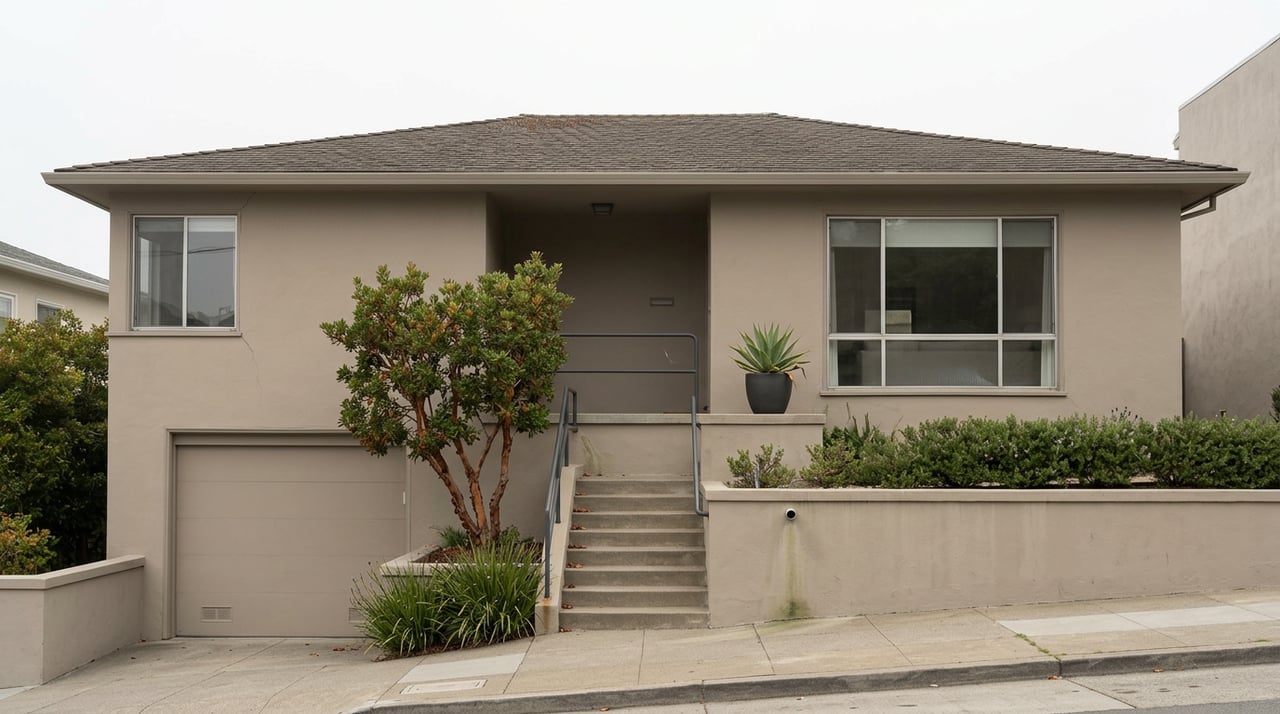
Thinking about selling your Forest Hill home and stuck on one big question: fix it first or list it as-is? You are not alone. Many Forest Hill homes are charming, older properties with original systems or dated finishes, which makes this decision feel high stakes. In this guide, you will learn how condition, disclosures, financing, and timing affect your net proceeds, plus a simple framework to choose the right path for your situation. Let’s dive in.
Forest Hill market reality
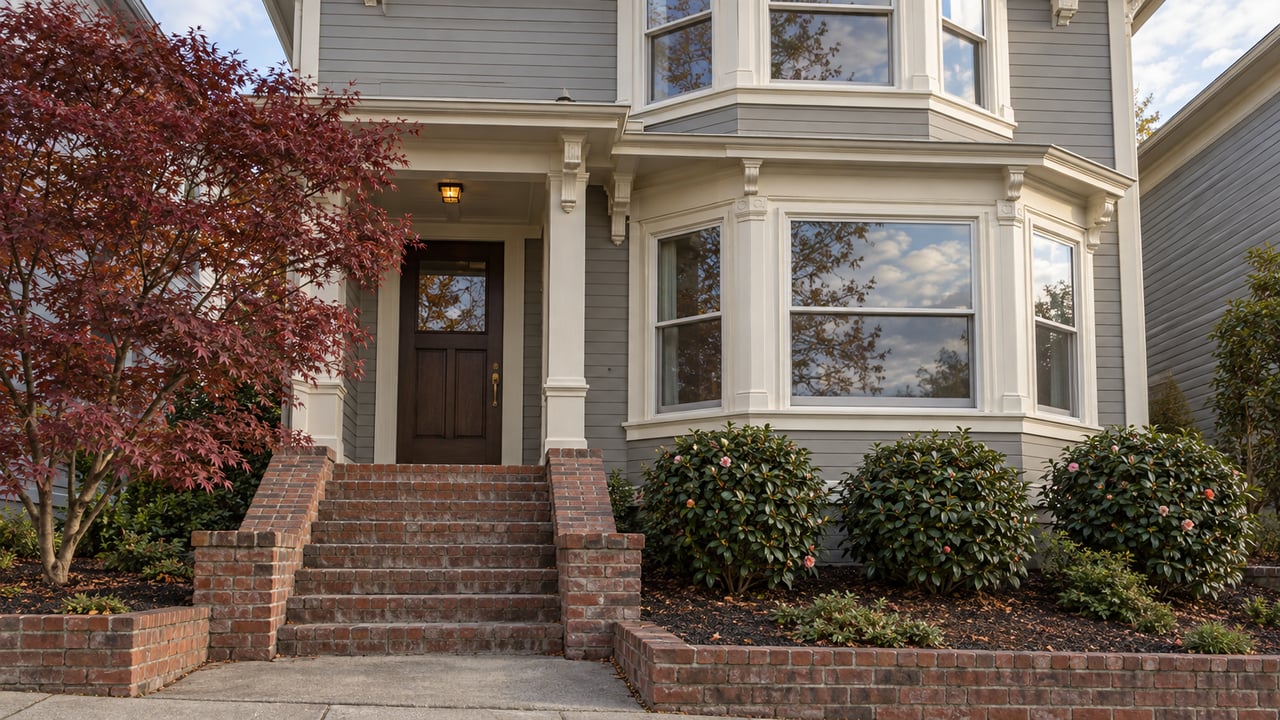
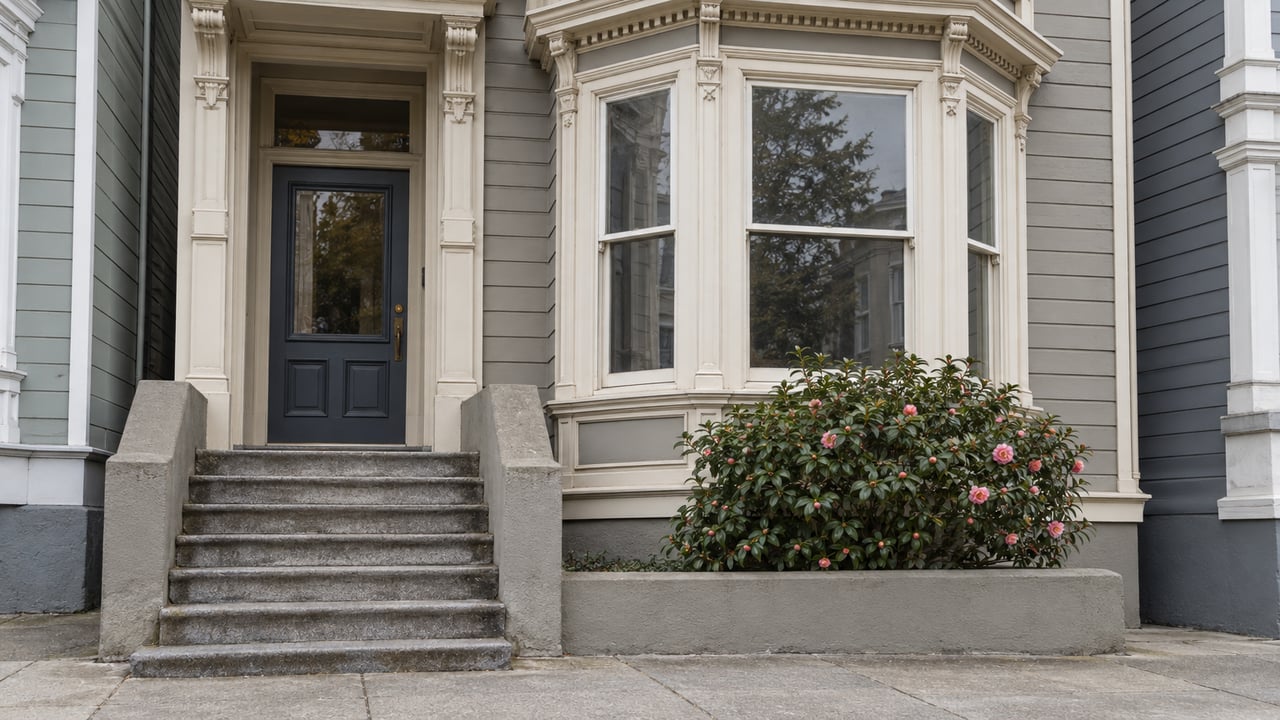
Forest Hill is a long-established neighborhood with architecturally distinctive single-family homes. Many properties were built in the early to mid-20th century, often on hilly lots with mature landscaping. Because of age, it is common to see older electrical, plumbing, heating, and finishes.
In San Francisco’s higher-end neighborhoods, buyers value location, lot size, period details, and views. Many expect updated kitchens and baths, yet will consider dated finishes when a home has great bones. Condition matters more in balanced or cooling markets, and less when demand runs hot. Always review current Forest Hill comps and days on market before setting your strategy.
What “as-is” really means in California
“As-is” does not remove your duty to disclose. In California, most residential sellers must deliver a Transfer Disclosure Statement and other required forms that identify known defects and material facts. You must also provide a Natural Hazard Disclosure and, for homes built before 1978, deliver the federal lead-based paint disclosure and pamphlet.
In San Francisco, permits are required for most structural, electrical, plumbing, and significant mechanical work. Unpermitted work usually must be disclosed and can complicate a sale. If a property is a designated historic resource, additional rules and disclosures may apply. Failure to disclose known issues can create post-closing liability. “As-is” language narrows some contract remedies, but it does not permit hiding defects.
Repairs vs. as-is: how it changes price, time, and buyer pool
If you repair before listing
- You may attract a broader buyer pool, including more financed buyers.
- Appraisals are smoother when safety and habitability items are addressed.
- You often reduce inspection credits and back-and-forth after escrow opens.
- You invest time and cash upfront, and permits can extend timelines.
If you list as-is
- You get to market faster with lower upfront spending.
- You typically narrow the buyer pool to cash buyers, investors, and renovation-minded buyers.
- You may face deeper price negotiations or inspection credits after buyer due diligence.
- You often accept a lower sale price compared to refreshed comps.
Financing and appraisal impacts
- Lenders and appraisers look for safety, habitability, and functioning major systems.
- Cosmetic items rarely block financing. Major structural issues, roof leaks, active pest or rot, significant electrical hazards, or nonfunctioning heat can cause loan denials or required repairs.
- FHA and VA appraisals can flag repairs that must be completed before closing. Conventional loans can also require corrections for health and safety.
Decide with a simple framework
Step 1: Gather market intel
- Compare recent Forest Hill sales: turn-key vs. fixer pricing gaps and days on market.
- Note how condition and location influenced results on nearby streets and similar lots.
Step 2: Get a pre-listing walkthrough
- Have your agent and a contractor or inspector identify defects and estimate costs.
- Focus on health, safety, and systems that can trigger lender issues.
Step 3: Prioritize by impact
- Safety, habitability, and code items are highest priority.
- Next, address defects likely to affect appraisal value, such as roof leaks or foundation concerns.
- Then consider high-ROI cosmetic refreshes like paint, lighting, and minor kitchen or bath updates.
Step 4: Bid and timeline
- Get two to three contractor bids for significant work.
- Clarify permit needs and timing with San Francisco’s Department of Building Inspection.
Step 5: Choose your path
- Key repairs only to qualify for financing.
- Full cosmetic refresh if the pricing gap supports it.
- List as-is with clear disclosures and price strategy.
- Sell to cash or investor buyer for speed at a discount.
Step 6: Align your listing strategy
- Consider a pre-inspection to reduce surprises and help price accurately.
- Decide whether to offer a repair credit instead of completing work.
- Stage the home to highlight space, light, and architecture.
Prioritized prep checklist
Safety and function first
- Active roof leaks, foundation movement, and chimney or drainage issues, get professional evaluations and estimates.
- Electrical hazards and nonfunctioning major systems, such as heat or hot water, repair or disclose and price accordingly.
- Address active pest or rot issues that can derail financing.
- Review for unpermitted structural work and plan how you will disclose or correct it.
High-impact, high-ROI items
- Declutter, deep clean, and apply neutral interior paint.
- Improve curb appeal with basic landscaping and repairs to visible deferred maintenance.
- Refresh kitchens and baths with cabinet paint, new hardware, lighting, and updated fixtures.
Low-ROI or specialized projects
- Full luxury remodels or over-customized finishes often produce lower percentage returns.
- Avoid upgrades that push beyond neighborhood comp ranges.
Documentation and disclosure
- Assemble permits, receipts, inspection reports, warranties, and contractor contacts.
- Prepare required California disclosures, including TDS and NHD. Provide lead disclosures for pre-1978 homes.
Timelines you can expect
- Quick cosmetic prep, 1 to 3 weeks for paint, cleaning, light repairs, and staging.
- Minor repairs and permits, 3 to 8 weeks depending on contractor schedules and permit processing.
- Major remodel or structural corrections, several months due to design, permits, and construction.
- Listing as-is, you can go live within days once disclosures and staging are ready, but expect buyer inspections and negotiation.
Pricing strategy and negotiation tips
- Pre-inspection can shift leverage by surfacing issues early, reducing retrades.
- A seller credit at closing can be efficient when permits or timing make repairs tough.
- Price for as-is by accounting for the estimated rehab cost and risk premium to the buyer.
- Targeted fixes can unlock conventional, FHA, or VA buyers, which can widen competition.
Who buys as-is in Forest Hill
- Owner-occupants with conventional loans, they want habitable, permitted systems and may renovate later if price reflects work needed.
- Renovation buyers, they will tackle projects if the discount is sufficient and may use renovation loans or cash.
- Investors and flippers, they often pay cash, close quickly, and expect a meaningful discount.
- Institutional buyers, they prioritize speed and certainty, but their offers often price in risk and carrying costs.
Permit and historic considerations in San Francisco
San Francisco requires permits for most structural, electrical, plumbing, and significant mechanical work. Buyers and appraisers often check permit history. If prior work was unpermitted, disclose it, price accordingly, and discuss options with your agent and contractor. If your home is a designated historic resource, additional reviews may apply, which can affect project scope and timing. Having a clear permit and documentation package can reduce buyer concerns and support a smoother appraisal.
Common lender red flags to address
- Active water intrusion or roof leaks.
- Major structural or foundation issues.
- Nonfunctioning primary heat or significant electrical hazards.
- Active pest or rot damage that compromises structural elements.
- Significant safety issues visible during appraisal.
Cosmetic items like old countertops, worn flooring, or dated lighting typically do not stop financing, but they do affect buyer perception and pricing.
A lender-aware plan for your net
Your best choice depends on your home’s current condition, the pricing gap between fixers and turn-key comps, your timeline, and the financing you want your buyer to use. Some sellers win by tackling a few high-impact fixes, staging, and pricing with confidence. Others opt for an as-is sale to move quickly, accept a smaller buyer pool, and avoid permit delays. The right answer starts with clear data and a realistic scope.
If you want an underwriting-level analysis of repair ROI and a hands-on plan to execute, partner with a local advisor who brings both market knowledge and project management.
Work with a local, lender-aware advisor
James pairs deep mortgage and underwriting experience with full-service seller concierge. Here is how he helps Forest Hill sellers decide and deliver:
- Data-driven pricing: a comparative market analysis that quantifies the turn-key vs. fixer gap in Forest Hill and nearby neighborhoods.
- Financing lens: guidance on items that trigger FHA, VA, and conventional repair conditions.
- Pre-listing diagnostics: coordination of pre-inspections, targeted contractor bids, and permit checks.
- Concierge execution: staging, paint, light updates, and documentation, managed end to end.
- Negotiation strategy: decide when to repair, credit, or hold firm based on market feedback.
Ready to run the numbers, pick a clear path, and list with confidence? Schedule a free consultation with James Kil.
FAQs
What are California seller disclosure requirements if I list as-is in San Francisco?
- You must still provide the Transfer Disclosure Statement, Natural Hazard Disclosure, and lead-based paint disclosures for pre-1978 homes, plus any local forms; as-is does not remove disclosure duties.
Which home issues can block buyer financing for Forest Hill properties?
- Major safety or habitability items such as roof leaks, foundation problems, nonfunctioning heat, significant electrical hazards, or active pest and rot can trigger required repairs or loan denials.
How should I price a Forest Hill home that needs work?
- Compare local fixer vs. turn-key comps, estimate repair costs and risk, then price to reflect both the work and the narrower buyer pool likely to bid.
Should I get a pre-listing inspection before selling my San Francisco home?
- A pre-inspection can surface issues early, help you price accurately, and reduce post-offer retrades, especially if you are selling as-is.
How do San Francisco permits and unpermitted work affect my sale?
- Permit history impacts buyer confidence and appraisals; unpermitted work must be disclosed and can affect price, timing, or the need for corrections.
Can I avoid liability by selling my Forest Hill home as-is?
- No, you must still disclose known defects and material facts under California law; failing to do so can create post-closing liability.
Is offering a repair credit smarter than completing repairs before listing?
- Credits can be efficient when permits or time are tight, but completing key safety or lender-required items can widen the buyer pool and support a higher price.