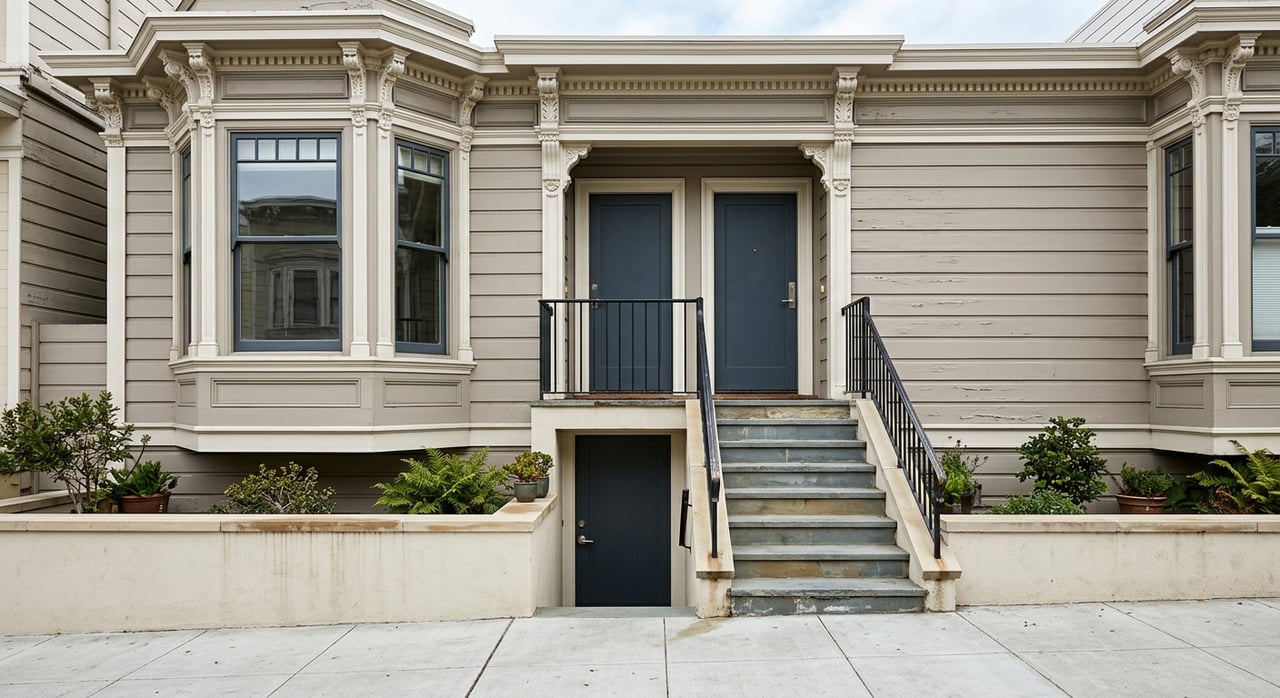
How to Compare Eureka Valley Condo and TIC Options
April 16, 2026
April 16, 2026
If you are shopping in Eureka Valley, one of the biggest mistakes you can make is assuming a property’s look tells you how you will own it. In this part of San Francisco, a classic flat, townhouse-style home, or small multifamily building may be legally structured as either a condominium or a tenancy-in-common, also called a TIC. That difference can shape your financing, your monthly costs, and even how easy it may be to resell later. This guide breaks down condo and TIC options in plain English so you can compare them with more confidence. Let’s dive in.
In Eureka Valley, older housing forms sit alongside later two-flats, four-flats, flats, and apartments. According to San Francisco Planning’s Market & Octavia area materials, neighborhood development followed public transportation routes, which helped shape the housing stock you see today.
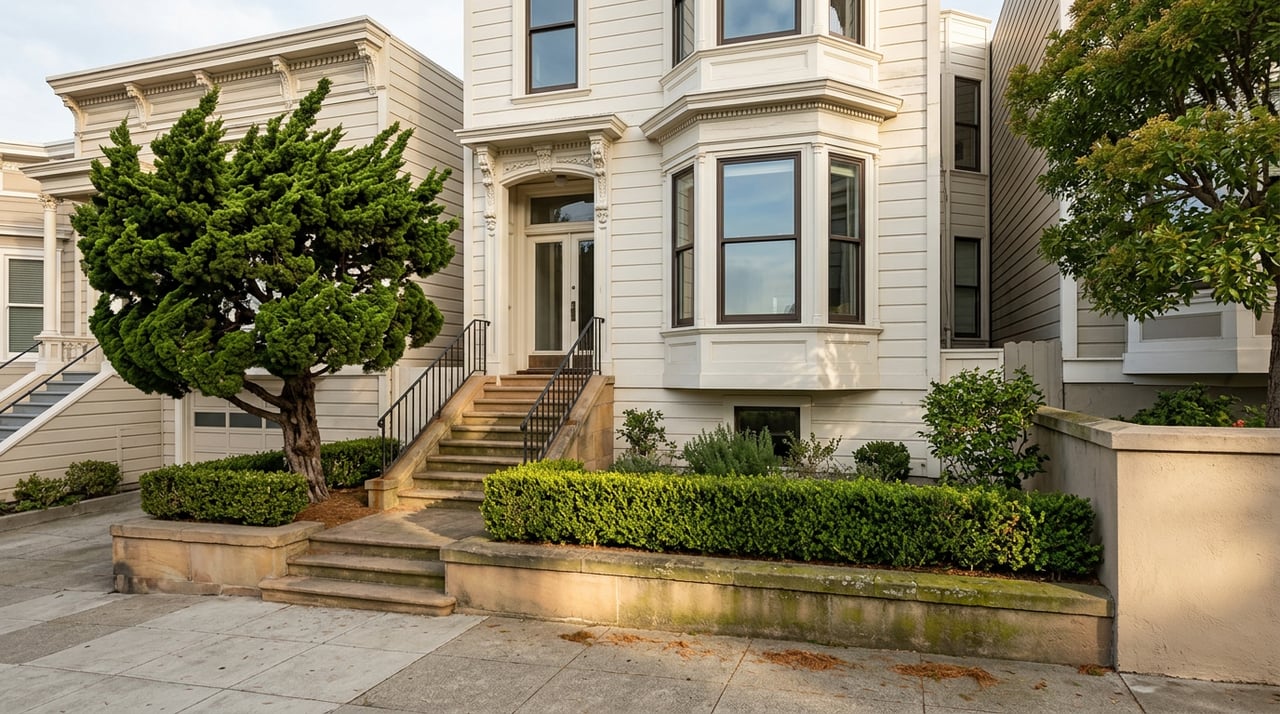
That history matters because the building’s exterior does not reliably tell you the legal ownership structure. As the California Department of Real Estate explains, a home that looks like a traditional San Francisco flat may be a deeded condo unit or an undivided TIC interest. For you as a buyer, title documents matter far more than the façade.
A condominium is a legal form of ownership, not a building style. The California DRE’s subdivision guide explains that when you buy a condo, you own a separate unit interest plus an undivided interest in the common areas.
That usually means there is a homeowners association, or HOA, managing shared parts of the property and enforcing the project documents. HOA membership transfers automatically with the unit, which creates a more standardized ownership structure than many buyers expect in small San Francisco buildings.
For many buyers, condos feel more familiar because the rules, dues, and governance are centralized. The HOA can collect dues and levy assessments to maintain the building, which helps organize decision-making but also means building-wide issues can affect every owner.
That is especially important when you review reserves, repairs, and insurance. If the building has deferred maintenance or a major repair ahead, the financial impact may not stay isolated to one owner.
A tenancy-in-common is different. Under the California DRE’s guidance, TIC owners hold fractional interests in the whole property, while a separate TIC agreement assigns exclusive occupancy rights to a specific unit or space.
That agreement often covers key operating details such as tax apportionment and occupancy rights. It may also address refinancing, transfer rules, and other decision-making procedures between co-owners.
A TIC can offer flexibility and may serve as an entry point in a high-cost market like San Francisco. The tradeoff is that the ownership structure often depends more heavily on the co-ownership agreement than on a traditional HOA framework.
The DRE TIC guidelines note that refinance authority, blanket encumbrances, owner approvals, and transfer terms can all be important. In simple terms, your future options may be influenced not just by the market, but also by the agreement and the actions of other co-owners.
For many buyers in Eureka Valley, financing is where the condo versus TIC decision becomes very real. A condo may have a more standardized loan path, while TIC financing is often more specialized.
For 2026, the FHFA conforming loan limit for a one-unit property in San Francisco County is $1,249,125. If your loan amount goes above that threshold, your financing moves outside the conforming limit, which can affect pricing and loan options.
Condo loans are generally more standardized, but lenders also review the project itself. Fannie Mae’s project standards make clear that project eligibility is separate from borrower credit risk.
That means a well-qualified buyer can still run into trouble if the building has issues such as inadequate insurance, active litigation, critical repairs, unresolved deferred maintenance, or too much commercial space. In some cases, those issues can make the condo ineligible for sale to Fannie Mae until they are resolved.
There is also some good news for smaller buildings. Fannie Mae notes that project review may be waived for some units, including detached condos and units in two- to four-unit condo projects, which can simplify financing in certain smaller San Francisco properties.
TIC financing is typically less standardized. The California DRE states that financing TIC interests can be difficult, and its guidance points to extra documentation around appraisals, blanket encumbrances, balloon payments, and owner approvals.
For you, that usually means a narrower lender pool and a more custom lending process. It can still work well in the right situation, but it often requires more planning and lender coordination up front.
No matter which ownership type you are considering, shop your financing. The Consumer Financial Protection Bureau recommends comparing multiple Loan Estimates rather than assuming the first option is the best one.
The CFPB also notes that lenders may charge slightly more for loans on condos or other more complex property types. That makes side-by-side comparison especially important when you are evaluating total monthly cost.
The best choice is not just about your offer price. It is also about how you want building decisions, maintenance costs, and future changes handled.
With a condo, building-level decisions are more centralized through the HOA. That can create a clearer framework for maintenance and shared expenses, but it also means project-wide issues can become your issue even if your own unit is in great condition.
As both the California DRE and Fannie Mae make clear, special assessments, deferred maintenance, and insurance concerns can materially affect costs and financing. When you buy a condo, you are buying into the unit and the building’s overall health.
With a TIC, control often sits more directly with the co-owners and the written agreement between them. That can feel more flexible, but it may also require more coordination if refinancing, repairs, or sale terms involve other owners.
The DRE TIC guidelines suggest that occupancy rights, tax allocation, refinance authority, and sale or transfer rules should be reviewed closely. Those details can have a big effect on your ownership experience and your exit strategy.
If you plan to stay long term, ownership structure still matters because life changes. A future move, refinance, or sale can be easier or harder depending on how the property is set up.
In general, condos tend to offer a more standardized resale path when the project qualifies for conventional financing. TICs can work well for buyers seeking a lower-cost entry point in a high-cost market, but they may appeal to a smaller pool of financed buyers later because financing is less standardized.
That does not make one structure automatically better than the other. It means you should match the ownership type to your goals, timeline, and risk tolerance.
If you are comparing condo and TIC options in Eureka Valley, these are some of the smartest questions to ask early:
These questions can help you avoid surprises after you are already emotionally invested in a property.
Here is a simple way to frame the decision:
| Factor | Condo | TIC |
|---|---|---|
| Legal ownership | Separate unit plus shared common interest | Fractional interest in the whole property |
| Governance | Usually HOA-based | Co-ownership agreement-based |
| Financing | More standardized when project qualifies | More specialized, narrower lender pool |
| Building issues | Shared project-level exposure | Shared ownership and agreement-based exposure |
| Resale path | Often broader if financeable | May depend on buyer financing options and agreement terms |
The right answer depends on your priorities. If you value a more standardized financing and resale path, a condo may be the better fit. If you are comfortable with more complexity and want to explore a different entry point into Eureka Valley ownership, a TIC may deserve a closer look.
Because Eureka Valley includes a mix of older homes and multifamily properties, it helps to review every listing with both a neighborhood lens and a title-and-financing lens. Two homes on the same block can look similar but create very different ownership experiences.
That is where lender-aware guidance can save you time and reduce risk. When you understand the ownership structure, financing path, and building-level obligations early, you can focus your search on properties that actually fit your budget and long-term plans.
If you want help evaluating condo and TIC options in San Francisco with a clear, financing-aware strategy, connect with James Kil. He can help you compare the details, spot risks early, and move forward with more confidence.
Stay up to date on the latest real estate trends.






His background allows him to comfortably tune in to the ebbs and flows of the ever-changing market and provide uniquely catered advice to anyone, and he has built an extensive team of partners to leverage for the benefit of his clients.