How To Choose The Right Home In The Sunset District
May 7, 2026
May 7, 2026
Buying in the Sunset can feel simple at first glance. Many homes share a similar look, similar size, and similar lot pattern, so it is easy to assume the right choice will be obvious once you start touring. In reality, small differences can have a big impact on how a home lives, how easy it is to finance, and how it may perform over time. This guide will help you compare property types, focus on the details that matter most, and choose a Sunset home that fits your budget, lifestyle, and long-term plans. Let’s dive in.
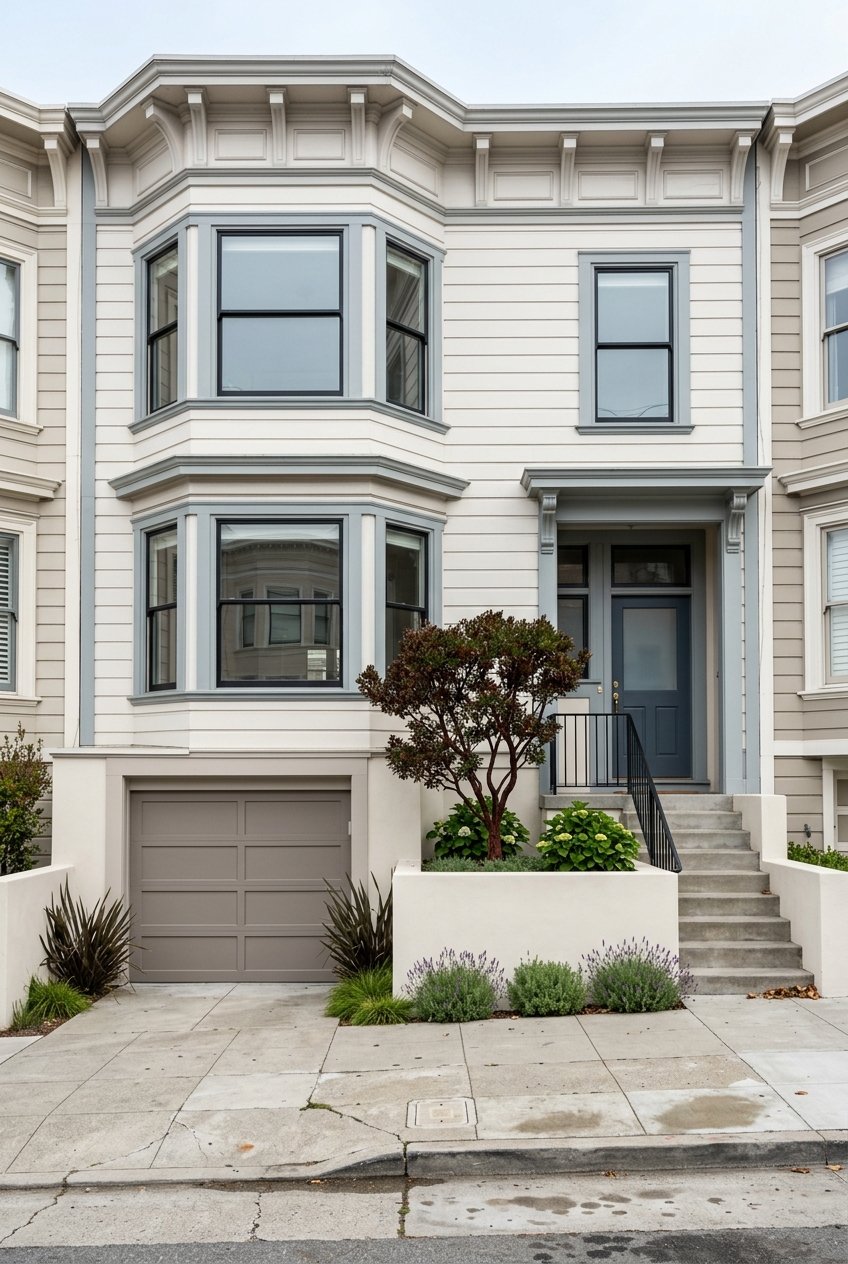
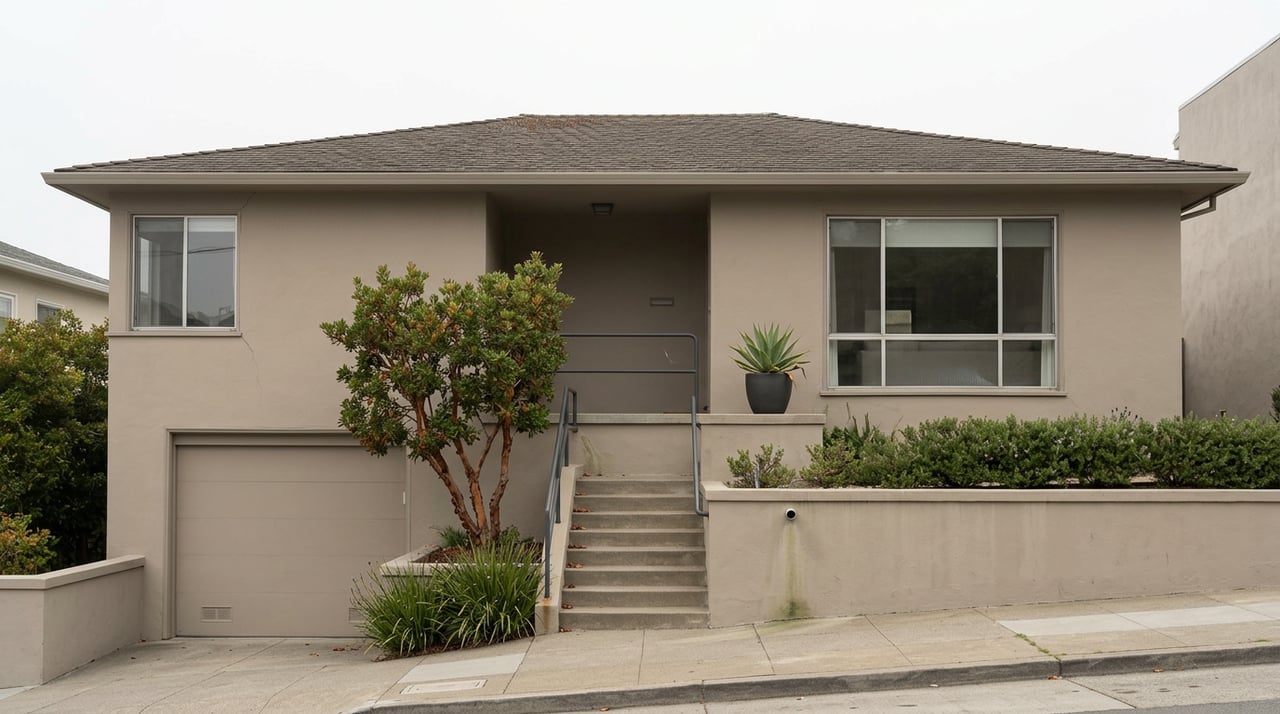
The Sunset District is known for standardized tract homes built mainly in the 1930s and 1940s. According to San Francisco Planning’s historic survey, many of these homes were built as five-room houses with slightly under 1,000 square feet of living area, one bath, two bedrooms, and a tandem garage.
That consistency can be helpful when you start comparing homes, but it also means details matter more. A better layout, stronger natural light, a more usable garage, or a higher-quality renovation can make one home feel very different from another just a few blocks away.
San Francisco Planning also notes that some Sunset homes were built as Patio Plan homes, which use an interior atrium to bring light into the center of the house. If natural light is high on your list, this kind of feature can be worth paying close attention to during showings.
One of the biggest mistakes buyers make is treating the Sunset as a single price band. Recent Redfin market snapshots show clear differences within the area, with the broader Sunset District at about $1.88 million, Outer Sunset at $1.625 million, and Inner Sunset at $2.215 million.
That spread is a good reminder that block-by-block analysis matters. The right home for you may not be the one in the broadest neighborhood average. It may be the home on the block that best matches your daily routine, budget, and comfort level with competition.
Homes in the Sunset have also been moving quickly, with recent figures showing about 13 days on market and sale prices often above list. In a fast market like that, clarity matters. Before you tour seriously, define your must-haves, such as bedroom count, lot size, parking needs, and proximity to the services you use most.
Choosing the right home in the Sunset often starts with choosing the right property type. The best fit is usually the one that lines up with your maintenance tolerance, financing path, and how you want to live day to day.
Single-family homes are often the simplest ownership structure. You generally have more control over the property and fewer shared-building rules to navigate than you would in a condo or co-op setting.
In the Sunset, this can be especially important because much of the housing stock is older. California’s Department of Real Estate advises buyers to pay close attention to electrical, plumbing, and structural condition, and to budget for ongoing maintenance and unexpected repairs.
That means a single-family home may be a strong option if you want more privacy and more direct control, but you should look closely at system updates, layout changes, and whether past renovations were done thoughtfully.
Condos can be a practical option if you want less responsibility for exterior maintenance and shared areas. But that convenience comes with another layer of review.
HOA or condo dues are usually separate from your mortgage payment, and the association typically manages rules, fees, maintenance, and reserves. Before you buy, review the CC&Rs and bylaws carefully. Those documents can affect what improvements you can make and whether you may face special assessments for major repairs or unexpected expenses.
In a competitive market, condo buyers also need to think beyond the unit itself. The building’s finances and project structure can affect whether the property is easy to finance now and later.
A small multi-unit property can appeal to buyers who want flexibility or rental income from other units. Loan programs may allow income from the additional units to help with qualification, but these purchases are more finance-sensitive than standard one-unit homes.
They also come with a different day-to-day reality. If you are considering a two- to four-unit property, make sure you are comfortable with the responsibilities that come with owning and managing a property with tenants or future rental plans.
For some buyers, that tradeoff makes sense. For others, a single-family home or condo will be a cleaner fit.
In the Sunset, shiny finishes do not always tell the full story. Because so many homes began with similar floor plans and dimensions, long-term value often comes down to livability and condition rather than cosmetic appeal alone.
A home with a practical layout, strong natural light, functional parking, and updated systems may be a better choice than a home with trendier finishes but more awkward flow or deferred maintenance. This is especially true in a district where original homes often had compact footprints and tandem garages.
As you compare options, ask yourself a few practical questions:
These are the kinds of details that can affect comfort today and resale later.
In the Sunset, speed matters. If homes are selling quickly and often above list, you do not want to figure out your financing strategy after you find the right house.
The Consumer Financial Protection Bureau says closing costs commonly run about 2% to 5% of the purchase price. It also notes that many loans require at least 3% down, and that putting less than 20% down usually means mortgage insurance, which raises your total loan cost.
That does not mean you need one perfect financing profile to buy in the Sunset. It does mean you should understand your full monthly cost, your cash needs at closing, and how your loan structure could affect your options before you write an offer.
This is where many buyers benefit from lender-aware guidance. A home can look like a fit on paper, but details in the property or building can change the financing picture quickly.
For condos, review the HOA dues, reserve funding, and whether there are any special assessments. California DRE notes that HOA budgets are intended to cover current operating needs and long-term reserves, and weak reserves can become part of the bigger risk picture.
For condo projects, financeability matters too. Project review standards can look at delinquent assessments, reserve funding, insurance, and whether the project has hotel-like or transient features or is in critical repair.
For two- to four-unit properties, ask whether your loan program allows rental income from other units to count toward qualification and how loan-to-value rules differ from a one-unit purchase. Those questions can affect both affordability and your offer strategy.
California DRE advises buyers to review seller disclosures for physical condition, hazards, and any special taxes or assessments that could affect value or monthly cost. In a market where buyers may feel pressure to move fast, this step deserves real attention.
The goal is not just to find obvious red flags. It is to understand the full ownership picture. A home with attractive staging and a strong location can still come with repair needs, carrying costs, or property-specific issues that change the decision.
A careful disclosure review can help you compare homes more accurately and avoid choosing a property that looks right emotionally but feels harder financially once the details come into focus.
The right Sunset home is not always the one with the flashiest presentation. Often, it is the one you can comfortably live in, maintain, and finance again later if needed.
That is especially true in a neighborhood where standardized homes can differ meaningfully based on condition, renovation quality, and function. Over time, buyer demand tends to favor homes that solve everyday needs well, with practical layouts, good light, and fewer deferred maintenance issues.
There is also a broader planning context to keep in mind. San Francisco Planning says the Family Zoning Plan adopted in December 2025 allows more housing types in western and northern San Francisco in areas with transit and commercial activity. Even in a largely low-rise district, future comparables and neighborhood expectations can change over time.
If you are feeling stuck between options, come back to four filters:
When a home checks all four boxes, you are usually looking at a smarter long-term fit.
Choosing the right home in the Sunset is rarely about finding a perfect house. It is about finding the property that fits your life, your budget, and the real costs and risks that come with ownership. If you want a clear, lender-aware read on Sunset homes, condos, or multi-unit opportunities, James Kil can help you evaluate the details with confidence.
Stay up to date on the latest real estate trends.
His background allows him to comfortably tune in to the ebbs and flows of the ever-changing market and provide uniquely catered advice to anyone, and he has built an extensive team of partners to leverage for the benefit of his clients.