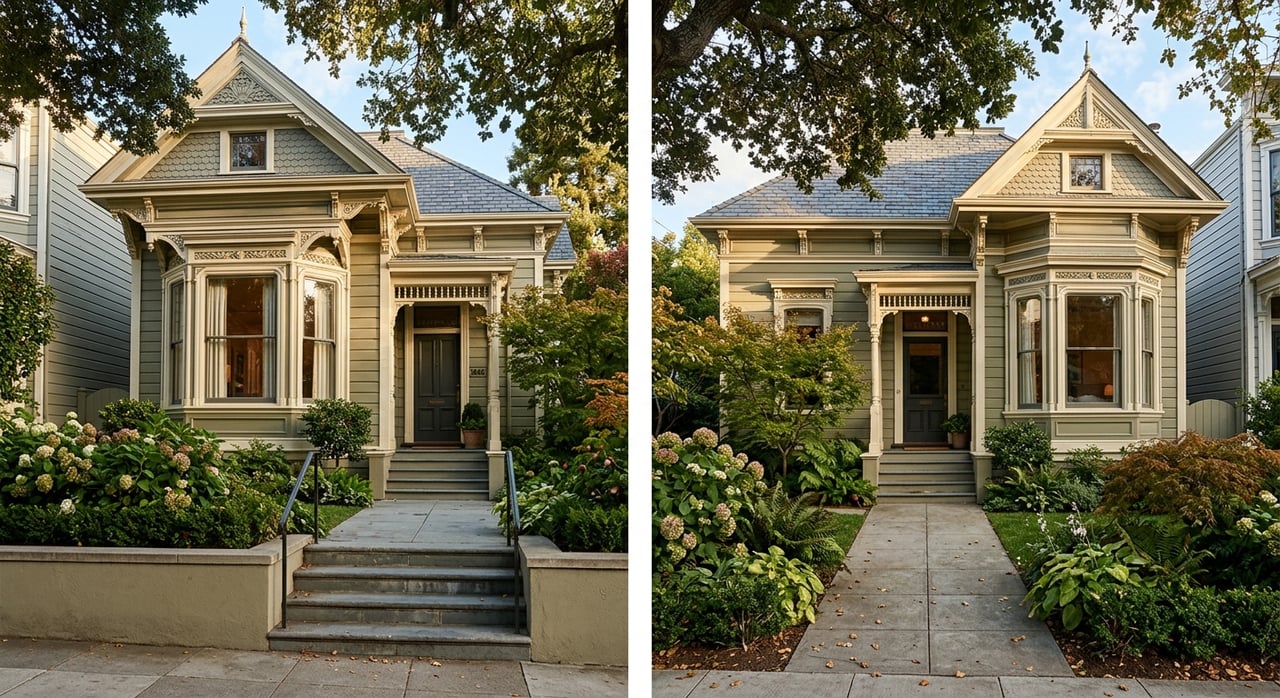
What Move-Up Buyers Should Know About Forest Hill Real Estate
April 9, 2026
April 9, 2026
If you are thinking about trading up in San Francisco, Forest Hill is the kind of neighborhood that can reset your expectations fast. Prices are higher, homes are typically larger, and the best listings can move quickly. If you want more space and a detached home feel, this guide will help you understand what move-up buyers should expect in Forest Hill and how to prepare with fewer surprises. Let’s dive in.
Forest Hill is a small, high-value pocket of San Francisco with limited inventory and a relatively low number of sales. That matters because headline numbers can look dramatic from month to month when only a handful of homes close.
As of February 28, 2026, Zillow’s neighborhood home value estimate for Forest Hill is $2,572,417, up 7.7% year over year. Redfin’s Forest Hill market data shows a $3.5 million median sale price in February 2026 and a 7-day median time on market, compared with $1.5 million and 14 days for San Francisco overall.
The key point is not that every home will match those exact numbers. It is that Forest Hill generally behaves like a premium, competitive submarket inside the city, and move-up buyers should plan accordingly.
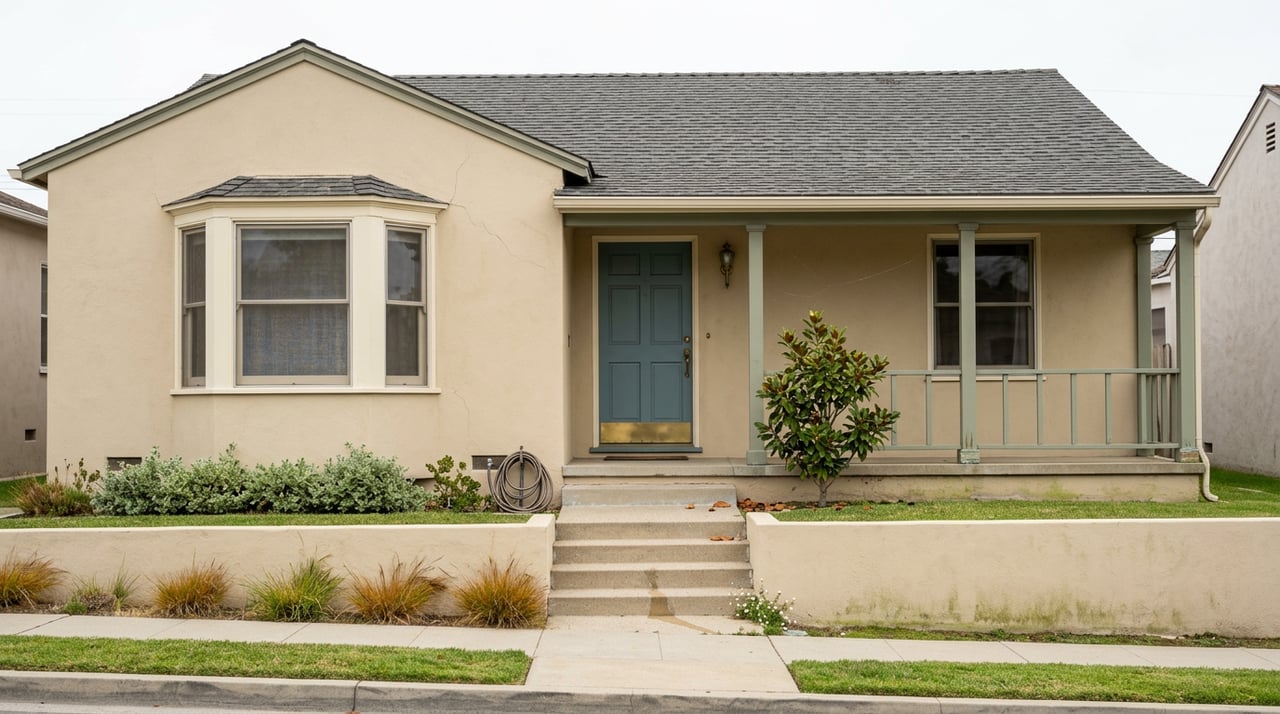
For many buyers, the appeal starts with scale. According to Homes.com’s Forest Hill neighborhood guide, the average single-family home size is 2,509 square feet, with a median year built of 1931 and a median lot size of 3,920 square feet.
That housing profile is very different from what many San Francisco buyers are leaving behind. If you are moving from a condo or a smaller home, Forest Hill can offer a more natural step up in interior space, storage, and detached-home living.
The housing stock also tends to be established rather than new. That means you may be weighing classic architecture and larger floor plans against differences in updates, systems, layout efficiency, and renovation quality.
Because Forest Hill has low transaction volume, pricing is best viewed as a range instead of a single number. Different platforms use different methodologies, and in a small neighborhood, those differences can look larger than usual.
Homes.com reports that two- and three-bedroom homes often fall around $1.5 million to $2 million, larger homes around $2.5 million to $3 million, and estate-level properties around $3 million to $3.5 million. That framework lines up reasonably well with recent reported sales.
Recent examples from Redfin’s Forest Hill market page include:
Those examples show an important reality for move-up buyers: price per square foot is only part of the story. In Forest Hill, condition, renovation level, lot appeal, and overall presentation can influence value as much as size.
If you compare market portals, you will notice that Forest Hill metrics do not always match. That is normal in a low-volume neighborhood.
Homes.com reports a 12-month median sale price of $2,252,250. Zillow shows a neighborhood value estimate near $2.57 million, while Redfin reports a $3.5 million median for February 2026.
That spread does not necessarily mean one source is wrong. It usually reflects small sample size, differing time periods, and different calculation methods. Redfin shows only 1 home sold in February 2026, and Homes.com summarizes just 13 home sales over the last 12 months.
For you as a buyer, the takeaway is simple: use neighborhood-wide data for context, but make decisions based on the specific home, current competition, and recent comparable sales.
Forest Hill can move quickly, especially when a listing is well priced and well presented. Redfin reports a recent 7-day median time on market and notes that homes have averaged about 15% above list price over the past 12 months.
At the same time, not every home moves at that speed. Some recent sold examples took 31 to 35 days to go under contract, which suggests that pricing strategy, condition, and buyer perception still matter a great deal.
This is where move-up buyers often need a mindset shift. In Forest Hill, you should be prepared for a fast market on the best listings, while also knowing that some homes may offer more room for negotiation if they need work or miss the mark on pricing.
More square footage can improve day-to-day living, but it also changes how you evaluate a home. A move-up purchase is not only about getting more rooms. It is about making sure the extra space works for your lifestyle and budget.
In Forest Hill, many homes date back to the early 20th century. That can mean character and scale, but it can also mean a wider range of condition from property to property. Two homes with similar square footage may feel very different based on layout, updates, natural light, storage, and how much work has already been done.
That is one reason a lender-aware, detail-oriented review matters in this neighborhood. A larger purchase price raises the stakes, so you want to understand not just what looks good online, but how the numbers and property details support the decision.
If you are moving up, your financing plan needs to be more than a quick preapproval. According to the Consumer Financial Protection Bureau’s guidance on preapproval, a preapproval letter is a lender’s tentative willingness to lend, not final approval.
The CFPB also notes that mortgage rates can change daily, a rate lock protects your rate only during the lock period, and closing costs typically run 2% to 5% of the purchase price. Buyers also often use financing and inspection contingencies to help manage risk.
In a neighborhood like Forest Hill, that means your plan should connect three moving pieces:
For move-up buyers, this coordination can be just as important as your offer price. If a home goes pending quickly, you want your financing plan to support fast action without creating unnecessary pressure later.
Purchase price is only part of the math in San Francisco. Local transaction costs can affect your total budget and your net proceeds if you are selling one home and buying another.
According to SF.gov’s transfer tax guide, San Francisco imposes a real property transfer tax when a deed is recorded. The city’s schedule is progressive, ranging from $2.50 per $500 of consideration at the low end to $30 per $500 at $25 million or more.
SF.gov also notes that supplemental assessments can create tax bills in addition to the annual property tax bill. For move-up buyers, this is a reminder to look beyond down payment and lender fees when building a realistic budget.
In a neighborhood with low inventory and high prices, preparation creates options. You do not need to predict every detail of the market, but you do need a plan that matches the realities of Forest Hill.
A practical strategy often includes:
This is where clear analysis can make a real difference. In a small, competitive neighborhood, you want to know when to move decisively, when to dig deeper, and when to walk away.
Forest Hill can be an appealing move-up destination if you want more space, detached homes, and a premium neighborhood setting within San Francisco. The tradeoff is that you are stepping into a market where values are high, inventory is limited, and individual listings can behave very differently.
That is why the best approach is both strategic and grounded. Look at broad market data for context, but base your decisions on the specific property, the real costs of the transaction, and a financing plan built for how quickly this neighborhood can move.
If you want help evaluating Forest Hill through both a market and financing lens, James Kil offers the kind of lender-aware, data-driven guidance that can help you move up with more confidence. Schedule a free consultation to talk through your goals.
Stay up to date on the latest real estate trends.

His background allows him to comfortably tune in to the ebbs and flows of the ever-changing market and provide uniquely catered advice to anyone, and he has built an extensive team of partners to leverage for the benefit of his clients.