Exploring the Glen Park San Francisco Walkable Lifestyle
April 2, 2026
April 2, 2026
Looking for a neighborhood where you can run errands on foot, catch transit with less hassle, and still have easy access to open space? That is a big part of why Glen Park stands out to walkable-lifestyle buyers. If you are weighing convenience, neighborhood character, and day-to-day livability, this guide will help you understand what makes Glen Park different and what to expect before you make a move. Let’s dive in.
Glen Park works because its center functions more like a small urban village than a spread-out commercial strip. According to San Francisco Planning, the neighborhood center is focused around Diamond and Chenery Streets and the nearby BART station, with small shops, restaurants, a grocery store, and a library.
That layout matters in everyday life. Instead of needing to drive between basic stops, you can often move through the area on foot. Planning materials also note that walking is the primary mode for getting around the village, which says a lot about how the neighborhood is designed and used.
One reason buyers are drawn to Glen Park is that the commercial core feels neighborhood-serving. The local district is described in San Francisco planning code as a low-rise, mixed-use area with mostly two- and three-story buildings, retail on the ground floor, and housing or offices above. The rules are also written to protect the village atmosphere and pedestrian-oriented streets.
That gives the area a scale that feels approachable. You are not looking at a district defined by large towers or oversized commercial buildings. Instead, the built environment supports a rhythm that many walkability-focused buyers want: short trips, active sidewalks, and a center that feels connected to the surrounding homes.
For many buyers, walkability is not only about nearby shops. It is also about how easily you can move around the city and beyond without relying on a car for every trip. Glen Park Station, located at 2901 Diamond Street, sits right at the center of the neighborhood and offers service from four BART lines, Muni connections, bike racks, bike lockers, and BayWheels access.
That combination gives Glen Park a practical edge for car-light living. If your routine includes commuting, meeting clients, or getting across San Francisco efficiently, being near a station with strong connections can be a real quality-of-life benefit.
Glen Park is not marketed by its planning documents as a fully quiet or insulated pocket, and that is important to understand. San Francisco Planning notes that the area gets especially busy at rush hour as cars, buses, and pedestrians converge around the commercial district, the BART station, the freeway, and nearby neighborhoods.
For some buyers, that is exactly the point. Glen Park offers transit convenience and direct access to I-280, which creates a neighborhood with real movement and connection. If you want a place that feels active and urban while still retaining a local village center, Glen Park can fit that balance well.
What makes Glen Park especially layered is that its walkable center is paired with meaningful open space nearby. Glen Canyon Park is a 66.6-acre park that includes a 60-acre urban canyon, spring wildflowers, striking chert formations, and Islais Creek, one of San Francisco’s last free-flowing creeks.
That natural setting gives the neighborhood a strong counterweight to its transit-oriented core. You can move from shops and station access to a much more scenic landscape within a short distance, which is a rare combination in an urban setting.
Many buyers are not looking for walkability alone. They also want variety in how a neighborhood feels throughout the week. Glen Park offers a compact village environment for errands and commuting, but planning materials also emphasize the neighborhood’s proximity to Glen Canyon Park and even call for a greenway connection between downtown Glen Park and the park.
In practical terms, that means the area can support more than one kind of routine. You may value the ability to grab groceries or catch BART quickly, then spend time outdoors without crossing half the city.
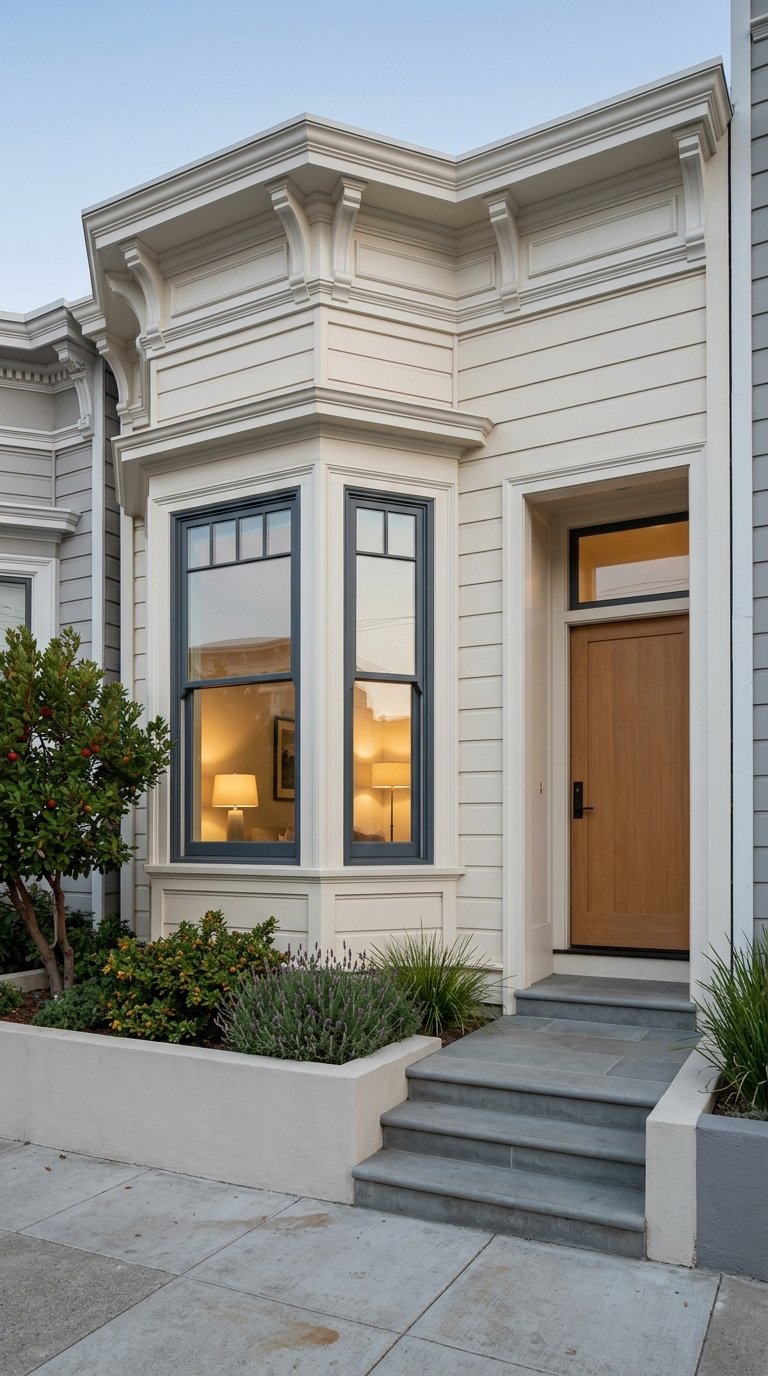
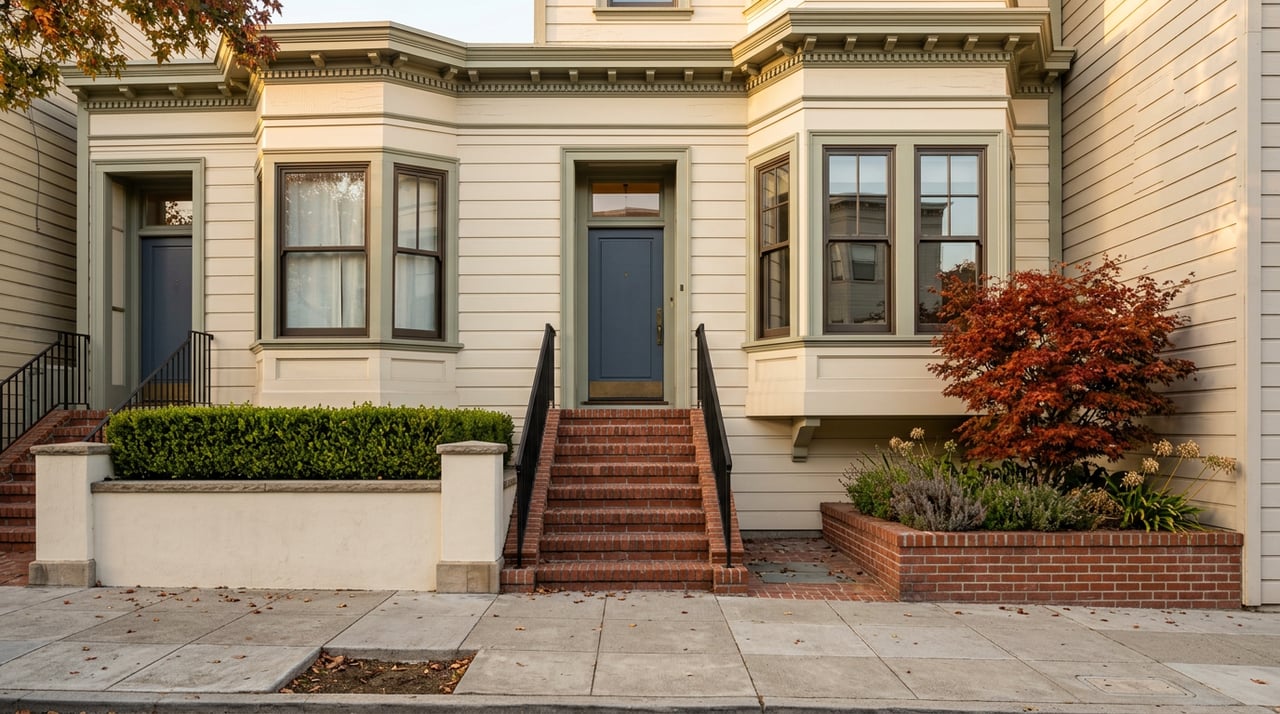
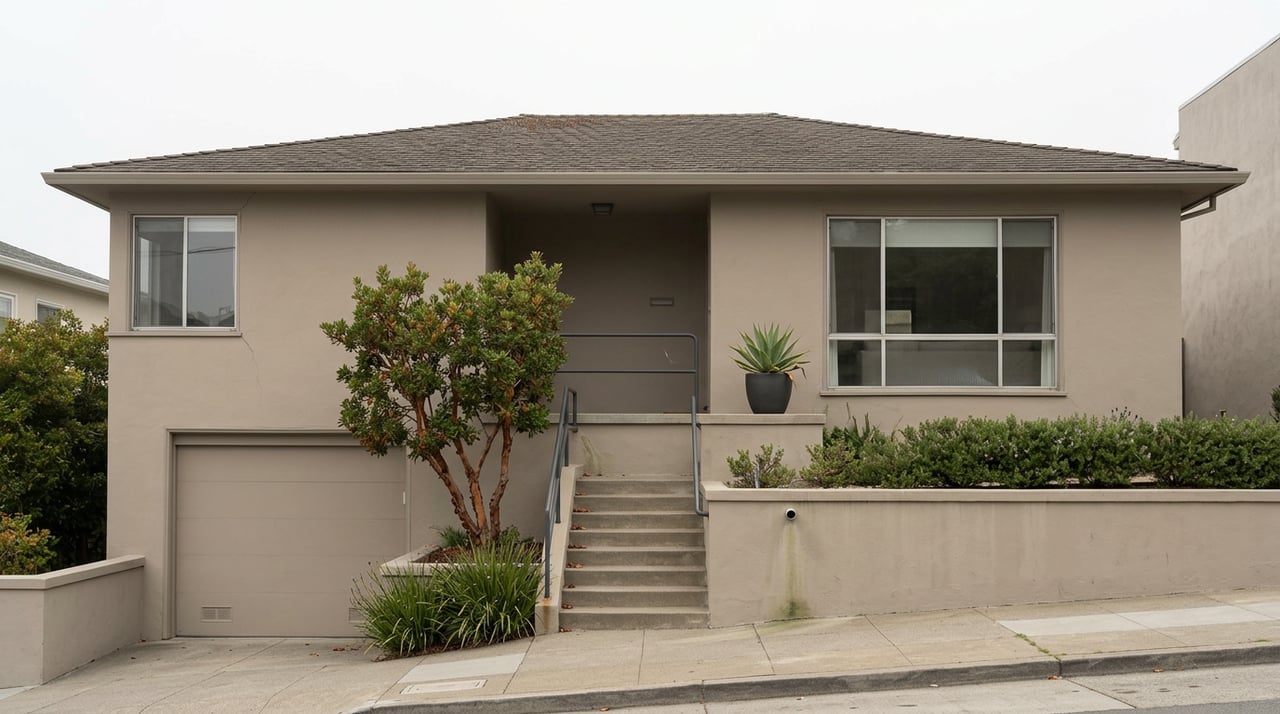
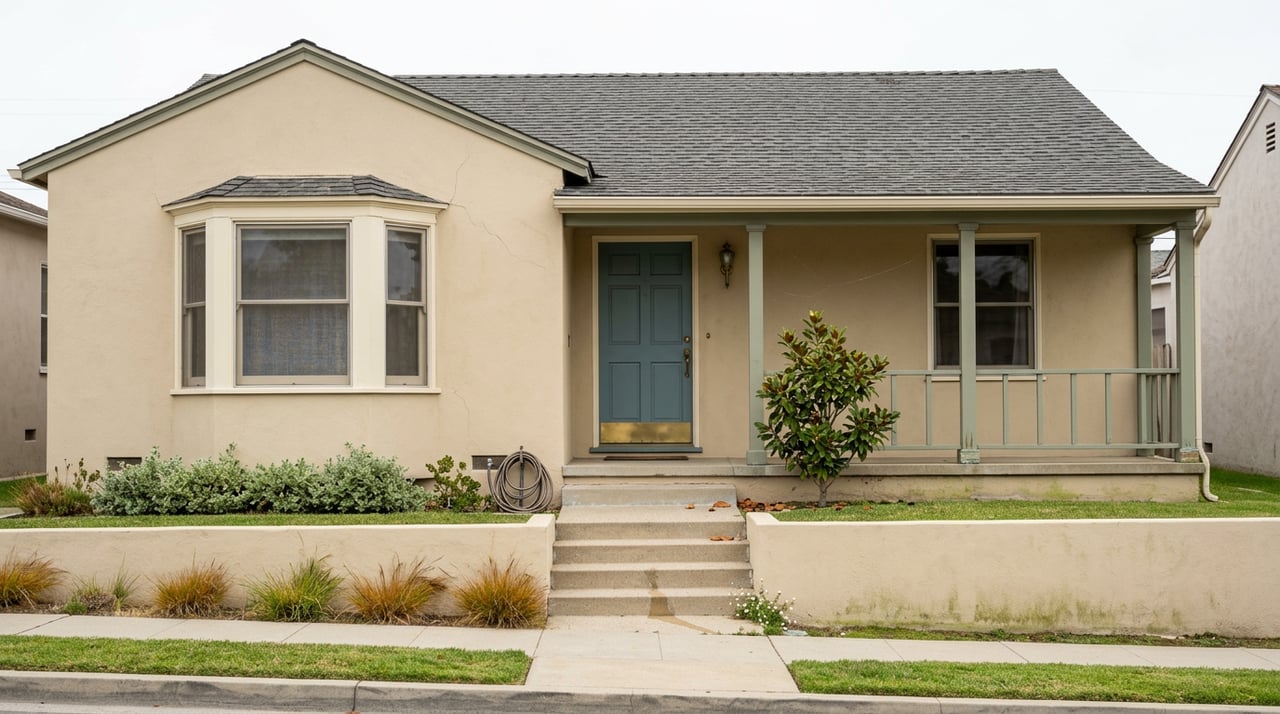
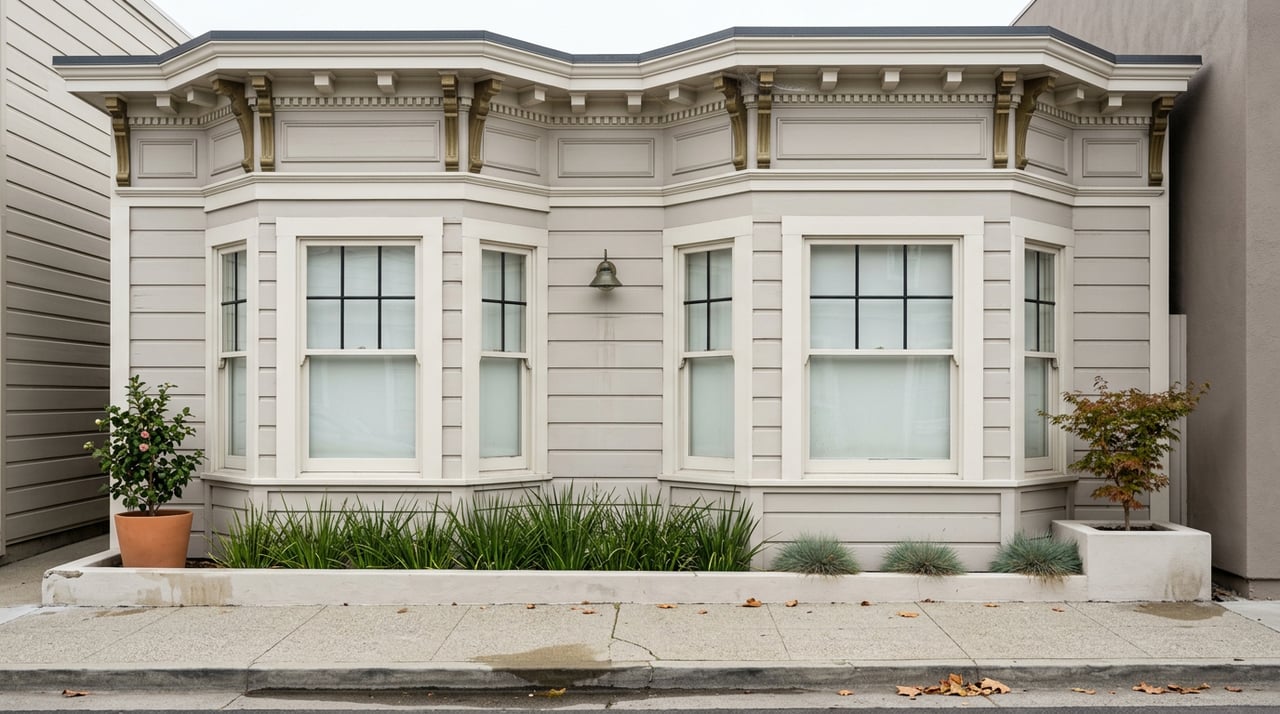
The homes and buildings in Glen Park are a big part of why the area feels cohesive. A historic resources evaluation for the community plan describes a mix that includes single-family homes, duplexes, apartments, mixed-use buildings, and residential-over-commercial properties. It also references housing types such as cottages, early 20th-century Craftsman homes, and two- and three-story over-garage residences.
For buyers, that usually means the neighborhood reads as older and smaller scale rather than newly built and master planned. If you are drawn to places with an established physical character, Glen Park is more likely to meet that expectation than a neighborhood defined by high-rise development.
In the village core, planning code supports neighborhood-serving uses on lower floors and housing above, while also avoiding design choices that weaken the pedestrian experience. Parking is not required, and any new parking must be set back to preserve a walk-friendly streetscape.
That policy direction reinforces what many buyers already notice on the ground. Glen Park’s design favors people moving through the neighborhood on foot, and the housing stock generally reflects that same compact, human-scale pattern.
Another factor that appeals to many buyers is stability in the neighborhood’s overall form. San Francisco Planning’s Glen Park materials state that the area is largely built out, with only a few sites left for future development in the commercial core.
That does not mean nothing will ever change. It does suggest that Glen Park’s existing scale and older fabric are likely to remain a defining part of the neighborhood. For buyers who worry about a favorite district changing too quickly, that can be reassuring.
When buyers talk about walkability, they are often describing several goals at once. They want daily convenience, transportation options, neighborhood identity, and a setting that supports life beyond the house itself. Glen Park stands out because it checks those boxes in a way that feels cohesive rather than forced.
You have a village-like commercial center, strong transit access, nearby freeway connectivity, and major open space within easy reach. Just as important, the housing stock and planning framework support the same small-scale, pedestrian-oriented feel that attracts people in the first place.
If your ideal neighborhood includes walking to everyday destinations, using transit regularly, and living in an area with established character, Glen Park deserves a close look. If you prefer a setting that feels more secluded or less tied to commuter flow, you will want to weigh that tradeoff carefully.
This is where local guidance matters. A neighborhood can look great on paper, but the right fit depends on how you live day to day, how you commute, and what kind of housing stock matches your priorities. If you are exploring Glen Park or comparing it with other San Francisco neighborhoods, James Kil can help you evaluate the tradeoffs with clear, practical guidance.
Stay up to date on the latest real estate trends.

His background allows him to comfortably tune in to the ebbs and flows of the ever-changing market and provide uniquely catered advice to anyone, and he has built an extensive team of partners to leverage for the benefit of his clients.