
How Investors Assess Cow Hollow Real Estate Deals
April 23, 2026
April 23, 2026
If you are looking at Cow Hollow as an investment play, it is easy to get pulled in by the lifestyle first. Union Street retail, nearby dining, preserved Victorian buildings, and quick access to the Presidio create obvious appeal for future buyers and renters. But smart investors know that in Cow Hollow, the numbers behind the walls can matter just as much as the location on the map. This guide walks you through how investors evaluate Cow Hollow properties, what to verify before you make an offer, and where hidden risk can show up. Let’s dive in.
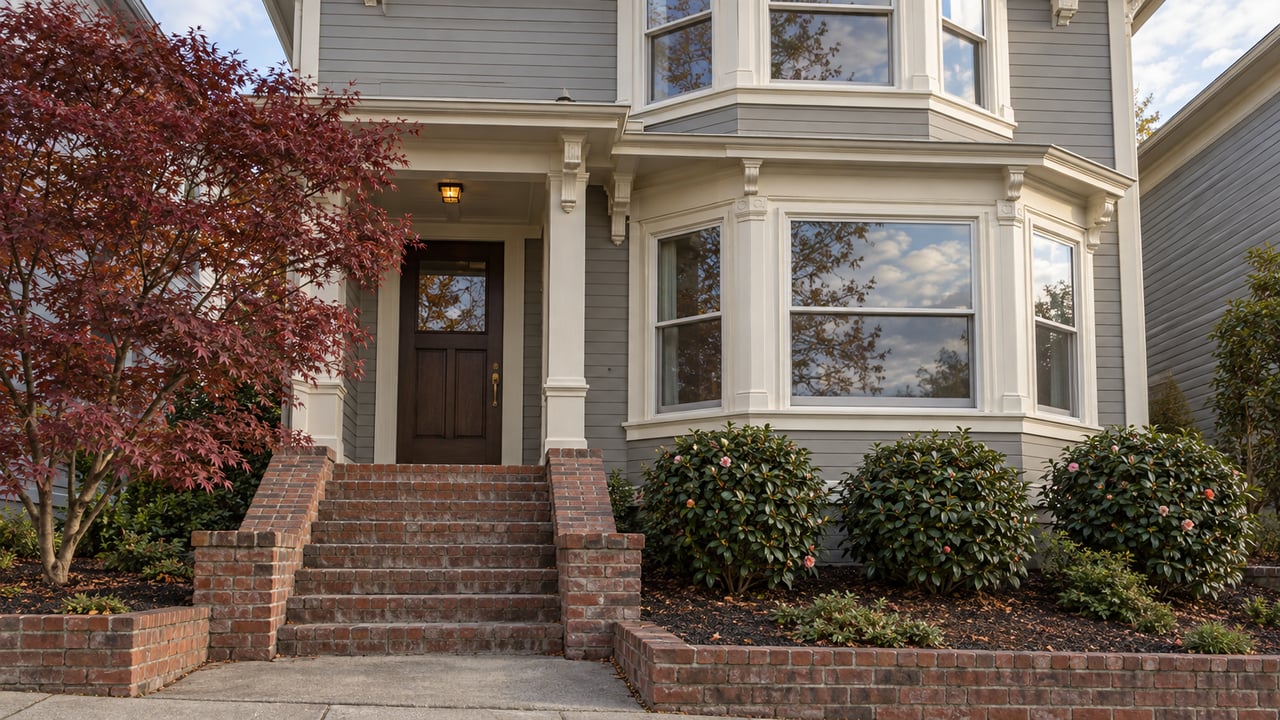
Cow Hollow has a strong neighborhood identity that supports long-term demand. According to San Francisco Travel’s overview of Cow Hollow, Union Street serves as the neighborhood’s hub, with specialty retail, cafes, restaurants, fitness studios, and historic storefronts in Victorian structures and old carriage houses.
That kind of environment matters because it shapes how people use the neighborhood every day. Investors often pay close attention to walkability, access to local retail, and proximity to outdoor amenities. In Cow Hollow, the nearby Presidio’s trails, park space, and coastal views add another layer of lifestyle value that can support demand over time.
A common mistake is to focus too heavily on purchase price and projected rent. In Cow Hollow, your actual carrying costs can look very different once you layer in property taxes, HOA dues, reserve exposure, insurance, and possible special assessments.
San Francisco’s secured property tax rate for fiscal year 2025-26 is 1.18268325% of assessed value. That means taxes alone can materially affect your monthly underwriting, especially at higher price points.
For condo investors, HOA costs deserve just as much attention. Low dues may look attractive at first glance, but they do not always mean the building is financially healthy. In some cases, lower dues can signal that future reserve needs are being deferred.
For condo and HOA properties, California law requires an annual budget report that includes an Assessment and Reserve Funding Disclosure Summary. These disclosures are important because they show whether the association is realistically planning for future repairs and replacements.
The reserve-related documents can show the current estimated replacement cost of major components, the reserve balance, the funded percentage, and the per-unit deficiency. They may also include insurance summaries and other project-level disclosures that help you assess risk before you buy.
California also requires a reserve study visual inspection at least once every three years, plus an annual review and a reserve funding plan. Under state law, that reserve funding plan must explain component costs, remaining useful life, annual contributions, and how future reserve needs will be funded.
For an investor, this is where a lot of the real story lives. A building with thin reserves, aging systems, and a large per-unit deficiency can create surprise costs later, even if the unit itself looks turnkey today.
When you review the HOA package, pay attention to a few key items:
These details help you judge whether monthly dues are keeping up with real building needs. They also help you avoid underwriting a property based on artificially low short-term costs.
Reserve weakness often leads to higher future dues or special assessments. California’s required budget disclosures may include a schedule of future regular or special assessment changes needed to support the reserve plan.
That is important because a special assessment can change your investment return quickly. If major repairs are coming and reserves are not ready, you may face a sudden capital call soon after closing.
Insurance is another area investors should not gloss over. The annual HOA budget package includes insurance summaries, which can help you understand policy types, limits, and deductibles. Those details matter because they affect both risk exposure and your true all-in ownership cost.
If you are buying with rental income in mind, do not assume every unit has the same flexibility. San Francisco’s Rent Board states that the city’s rental law provides most tenants with eviction and rent-control protections, and the allowable rent increase for covered units effective March 1, 2026 through February 28, 2027 is 1.6%.
SF.gov also notes that units first constructed after June 13, 1979, along with some substantially rehabilitated units, are exempt from rent-increase limitations, though they are not exempt from just-cause eviction protections. In practical terms, that means your rent growth assumptions should be based on the specific building and unit, not on a neighborhood-wide guess.
This is especially important in Cow Hollow, where building age and property type can vary. An investor evaluating a tenant-occupied condo, a single-family home, or a multi-unit property should confirm the exact coverage status before relying on any lease-up or rent-growth plan.
Some investors treat financing rules as someone else’s issue if they plan to buy with cash. In reality, financing standards still matter because they can affect your future resale pool and liquidity.
Fannie Mae’s full-review process says lenders must verify that an HOA budget provides replacement reserves of at least 10% of budgeted assessment income. The same guidance says no more than 15% of units can be 60 days or more delinquent on common assessments or special assessments.
Freddie Mac guidance, as cited in the research, also treats special assessments as not being a substitute for the 10% reserve allocation and flags projects with more than 50% investor ownership as a waiver category. In plain English, a building with weak reserves, high delinquencies, or heavy investor concentration can become harder to finance.
That matters because your future buyer may need conventional financing, even if you do not. If the project struggles with lender review later, your exit options may narrow and your resale timeline may lengthen.
Experienced investors usually underwrite the exit before they get too attached to the acquisition. In Cow Hollow, that means asking whether the next buyer will see the property as easy to finance, easy to understand, and easy to hold.
A beautiful condo in a highly desirable location can still present resale friction if the HOA is underfunded or if project documents raise concerns. A property with stronger reserves, cleaner disclosures, and better financing eligibility may offer better long-term flexibility, even if it looks slightly less exciting on day one.
This is one reason a lender-aware review can add real value. Looking beyond finishes and into warrantability, reserve health, and project-level risk can help you avoid a property that performs well on paper but becomes difficult to sell.
For investors using exchange proceeds, timing is critical. The IRS states that Section 1031 applies only to real property held for use in a trade or business or for investment, not property held primarily for sale or personal use.
In a deferred exchange, replacement property must be identified in writing within 45 days after the relinquished property is transferred. The replacement property must then be received by the earlier of 180 days or the tax return due date for that tax year.
The IRS also states that taxpayers generally avoid actual or constructive receipt of sale proceeds by using a qualified intermediary or similar safe harbor. A condominium can qualify if it is held for investment or productive business use.
If you are targeting Cow Hollow during a 1031 exchange, this creates an added layer of diligence pressure. You need enough time to review reserves, rent-ordinance status, insurance, and financing considerations without rushing into a weak asset just to meet the clock.
Before you submit an offer on a Cow Hollow investment property, it helps to pressure-test the deal with a short list of underwriting questions:
These are not small details. In Cow Hollow, they often shape your real return more than cosmetic upgrades or a strong first impression.
Cow Hollow offers the kind of neighborhood appeal that attracts long-term interest. Its retail core, historic character, and access to the Presidio can support strong demand from people who value convenience, outdoor access, and city living.
But disciplined investors do not stop at the neighborhood story. They look closely at reserve health, insurance exposure, property taxes, rent-ordinance status, and future financing liquidity. Those factors can have an outsized impact on cash flow, risk, and resale flexibility.
If you want a lender-aware, underwriting-level review before you buy in Cow Hollow, James Kil can help you evaluate the numbers, the documents, and the practical risks so you can move forward with more clarity and confidence.
Stay up to date on the latest real estate trends.







His background allows him to comfortably tune in to the ebbs and flows of the ever-changing market and provide uniquely catered advice to anyone, and he has built an extensive team of partners to leverage for the benefit of his clients.