Forest Hill: A Calm, Central San Francisco Neighborhood
July 2, 2026
July 2, 2026
If you want a San Francisco neighborhood that feels tucked away without feeling cut off, Forest Hill stands out fast. It offers a calm, residential setting shaped by hills, trees, and curving streets, yet it still connects you to transit and nearby everyday shopping. Whether you are buying, selling, or simply narrowing your search, understanding what makes Forest Hill distinct can help you make a smarter move. Let’s dive in.
Forest Hill is one of San Francisco’s classic residence parks, and that history still shows up in the neighborhood today. The area grew out of former Sutro lands, and planning for the tract dates to 1912 on a hilly site across from Laguna Honda Hospital. Construction began in 1912, the first house was completed in 1914, and much of the neighborhood’s housing stock was built during the 1920s and 1930s.
That timeline matters because Forest Hill was planned with a clear vision from the start. It was not shaped like a typical infill subdivision or a simple city grid. Instead, it was designed as a residential enclave where landscape, transit, and home placement worked together.
One of the first things you notice in Forest Hill is the street pattern. Unlike many San Francisco neighborhoods built on a tighter grid, Forest Hill follows the hillside with curving streets and blocks. That design choice gives the area a more winding, tucked-in feel.
SF Planning identifies several defining landscape features that still shape the neighborhood’s character. These include entrance gates, planting strips, divided streets with medians, internal paths and stairs, and a park area around Forest Hill Station. You also see consistent front-yard setbacks, which add breathing room between homes and the street.
Dewey Boulevard bisects the tract, and the northwest side is notably steep with sharper turns. In practical terms, that means the neighborhood can feel more topographically dramatic than it first appears on a map. If you are home shopping here, it is worth walking or driving the specific blocks you are considering so you can get a feel for slope, access, and circulation.
Forest Hill remains primarily residential by design. Original sales restrictions prohibited flats, apartments, double houses, and most business dwellings outside a small commercial section near the tunnel. Houses also had to be set back at least 15 feet from the street and at least 2 feet from each side line.
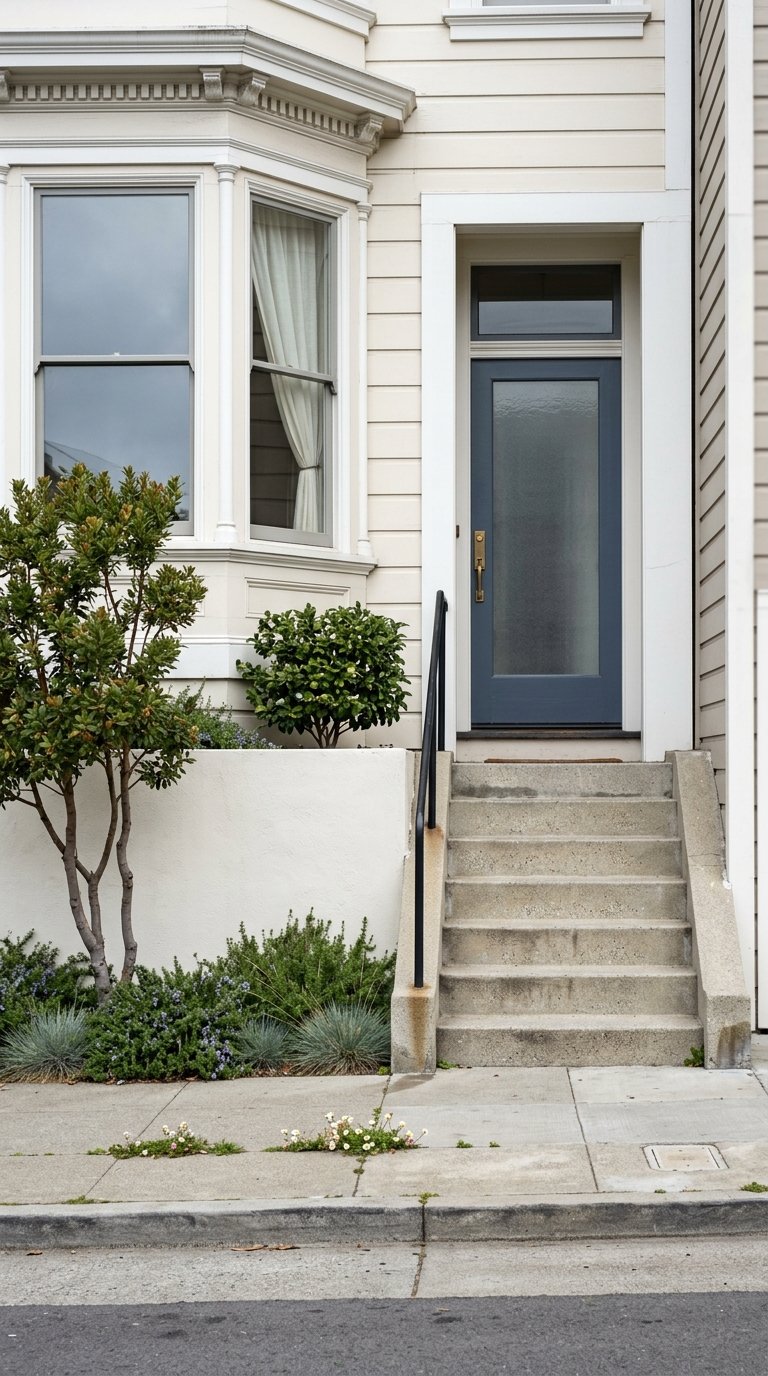
Those early rules help explain why Forest Hill still feels low-rise and detached. The neighborhood is defined by single-family homes, mature trees, front-yard setbacks, and generous rear yards. If you are comparing San Francisco neighborhoods, this physical layout is a big part of what makes Forest Hill feel calm and visually cohesive.
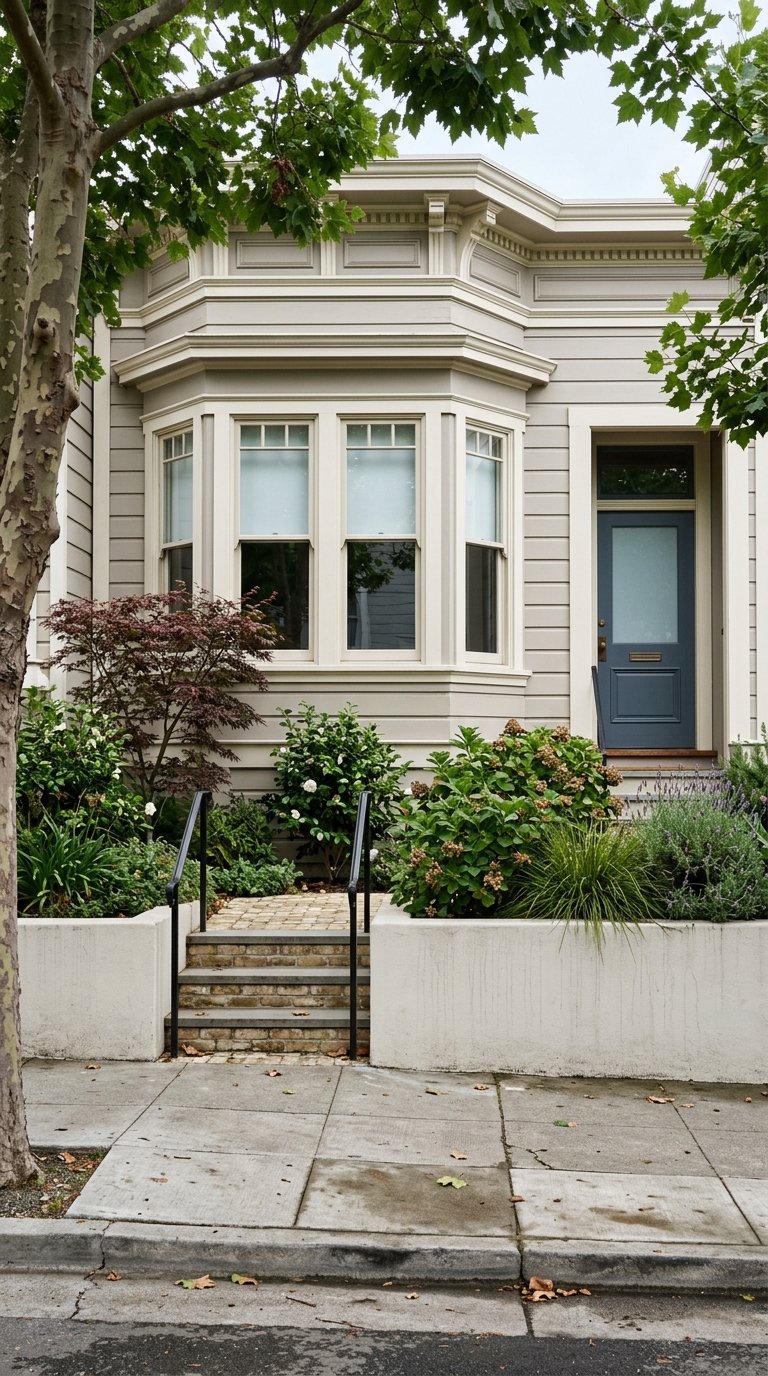
Forest Hill is not a one-style neighborhood, and that is part of its appeal. Official planning documents describe the area as historically dominated by Period Revival homes. Many houses from the 1920s were designed by Harold G. Stoner, the in-house architect for Lang Realty, and he worked across a range of Period Revival styles.
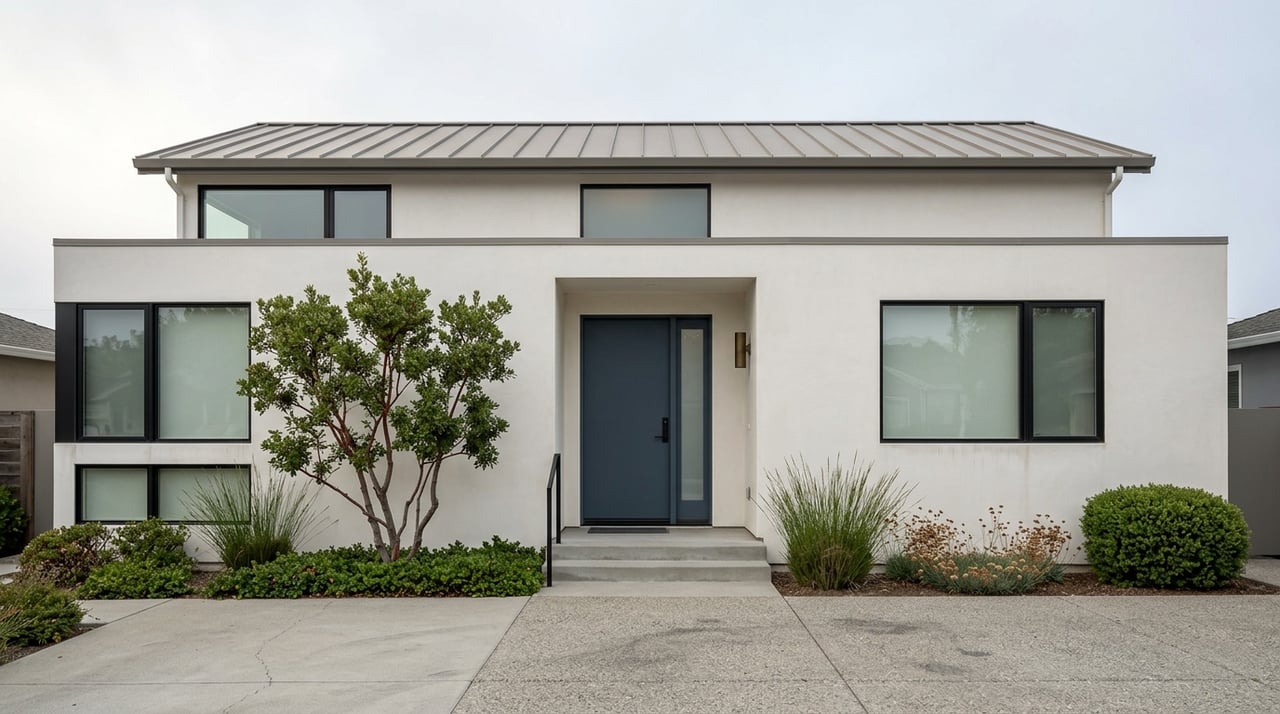
Homes built from the mid-1930s through the 1950s add another layer to the streetscape. Planning materials note a notable presence of Second Bay Tradition homes, often marked by unpainted wood siding, boxier forms, and expansive window walls. As a result, Forest Hill reads as architecturally varied rather than visually uniform.
For buyers, that means you may find meaningful differences from one block or property to the next. For sellers, it means presentation should highlight where a home fits into the neighborhood’s broader architectural story instead of assuming buyers see every Forest Hill property the same way.
A big part of Forest Hill’s identity is its connection to transit. The neighborhood’s original development logic included the Twin Peaks tunnel and lots donated for the West Portal and Forest Hill stations. In other words, transit access was built into the neighborhood from the beginning.
Today, Forest Hill Station is served by the K Ingleside, L Taraval, and M Ocean View lines. The nearby Laguna Honda Boulevard and Forest Hill Station stop area also connects to bus routes 36, 43, 44, and 52. According to SFMTA, all underground Muni Metro stations, including Forest Hill, are accessible by elevator.
For many buyers, that balance is the key draw. You get a hillside residential environment with direct access to broader city transit. That is a valuable combination if you want a quieter home setting but still care about practical day-to-day mobility.
Forest Hill itself is primarily residential, so most of its day-to-day commercial activity sits nearby rather than within the neighborhood core. The original plan reserved a small commercial strip near the station, but the larger and more practical nearby shopping district for many residents is West Portal.
SF Planning describes West Portal Avenue as serving surrounding West of Twin Peaks and Sunset residential neighborhoods. For Forest Hill households, that makes West Portal an important nearby hub for errands, dining, and services. In real-world terms, Forest Hill often appeals to people who want a residential setting without giving up access to a convenient neighborhood retail corridor.
If you are considering Forest Hill, it helps to look beyond the headline appeal and pay attention to the neighborhood’s physical details. Because the area is shaped so strongly by topography and planned landscape design, your day-to-day experience can vary meaningfully by property.
Here are a few practical things to watch:
This is where neighborhood knowledge really matters. In a place like Forest Hill, two homes with similar square footage can live very differently because of siting, block position, and access.
If you are selling in Forest Hill, your home is part of a neighborhood with a strong identity. Buyers are often drawn to the area for a specific mix of landscape, architecture, and access. A strong listing strategy should make those strengths easy to understand.
That usually means focusing on the traits that define Forest Hill as a residence park. Mature trees, setbacks, detached housing, architectural character, and access to Muni and West Portal all help frame the value story. The goal is not just to market a house, but to show how that house fits into one of San Francisco’s most distinct hillside residential environments.
For sellers who want a smoother process, this is also where detailed prep can make a difference. Thoughtful positioning, clear property analysis, and hands-on coordination can help reduce friction and give buyers confidence from the start.
Forest Hill tends to attract buyers who want a calmer residential atmosphere while staying within San Francisco. The neighborhood offers visual greenery, detached homes, and a layout that feels more tucked away than many central city locations. At the same time, Muni access and nearby West Portal help keep it practical.
That combination is hard to replicate. Forest Hill is not defined by heavy commercial activity or a rigid street grid. Instead, it is defined by planning, landscape, topography, and a housing stock that developed over several decades.
| Feature | What it means |
|---|---|
| Development era | Planned beginning in 1912, with much of the housing built in the 1920s and 1930s |
| Street pattern | Curving streets that follow the hillside rather than a typical grid |
| Housing type | Primarily detached single-family homes |
| Architectural character | Mix of Period Revival and later Second Bay Tradition homes |
| Landscape feel | Mature trees, front setbacks, medians, paths, and planted streets |
| Transit | Forest Hill Station with K, L, and M lines, plus nearby bus connections |
| Nearby commercial hub | West Portal for many daily errands and services |
Forest Hill offers a version of San Francisco that feels calm, established, and carefully shaped by its setting. Its curving streets, mature landscape, detached homes, and built-in transit access create a neighborhood experience that is both quiet and connected. If you are evaluating where to buy or how to position a home for sale, understanding those details can help you make better decisions with less guesswork.
If you want clear, lender-aware guidance on buying or selling in San Francisco neighborhoods like Forest Hill, James Kil can help you navigate the details with confidence.
Stay up to date on the latest real estate trends.
His background allows him to comfortably tune in to the ebbs and flows of the ever-changing market and provide uniquely catered advice to anyone, and he has built an extensive team of partners to leverage for the benefit of his clients.