
Using Glen Park Homes In A 1031 Exchange Strategy
June 25, 2026
June 25, 2026
If you are considering a 1031 exchange, Glen Park can stand out for a simple reason: it offers the kind of everyday convenience that tends to hold value over time. You may be looking for a replacement property that can attract tenants now and appeal to future buyers later, all while fitting a tight exchange timeline. In this guide, you will learn how Glen Park homes can fit a 1031 strategy, what rules matter most, and where buyers often make avoidable mistakes. Let’s dive in.
Glen Park is not a large-scale growth story. San Francisco planning materials describe it as a compact, largely built-out neighborhood with limited future growth, a walkable village center, and a human-scaled mix of homes, shops, transit, and community services.
For many exchange buyers, that matters. A built-out neighborhood can offer a different kind of value than a speculative area. Instead of betting on major future change, you are buying into an established pattern of demand, access, and neighborhood function.
Another key draw is transit. Glen Park BART sits near the center of the neighborhood, and city planning materials note that more than half of Glen Park BART riders walk to the station. That kind of walk-to-transit convenience can support long-term tenant interest and also help resale liquidity.
Open space adds to the story. Glen Canyon Park is a 66.6-acre recreation area with trails, ball fields, tennis courts, and creekside open space within a short walk of the station. For a buyer weighing long-term hold potential, the combination of transit access and nearby parkland is one of Glen Park’s strongest fundamentals.
At a high level, a 1031 exchange lets you defer certain capital gains taxes when you sell one qualifying real property and exchange into another qualifying real property. The key issue is not whether the property is a house, duplex, or small multifamily building. The key issue is whether the property is held for investment or for productive use in a trade or business.
That means a Glen Park single-family home can potentially work in a 1031 exchange if it is held for investment. It also means you may be able to exchange from one property type into another, such as from a rental house into a duplex, triplex, small multifamily building, or land, because real property is generally considered like-kind to other real property under IRS guidance.
What does not qualify is just as important. A property used solely as your personal residence does not qualify. Property held primarily for sale also does not qualify.
If you receive cash or other non-like-kind property during the exchange, that can create boot, which may trigger taxable gain to the extent of the boot received. The exchange is generally reported on IRS Form 8824, but your CPA should guide that part of the process.
The biggest practical issue in most exchanges is timing. Once your relinquished property transfers, the clock starts.
You generally have 45 days to identify your replacement property in writing. You then have 180 days, or the due date of your tax return for that year including extensions, whichever comes first, to complete the exchange.
Those deadlines are strict, which is why Glen Park buyers should narrow their shortlist early. In a neighborhood with limited supply and strong location fundamentals, hesitation can create real problems when exchange deadlines are already running.
A qualified intermediary is also central to the process. IRS guidance makes clear that you should not take actual or constructive receipt of the sale proceeds. In plain English, that means you need the exchange structure in place before closing, not after.
Many exchange buyers ask how wide they can cast the net. The answer depends on the identification rules.
The most common approach is the 3-property rule. Under this rule, you can identify up to three properties without regard to value.
There is also the 200-percent rule. This lets you identify any number of properties as long as their total fair market value does not exceed 200 percent of the fair market value of the property you sold.
A third option is the 95-percent rule. If you identify beyond those limits, the identification generally fails unless you close on identified property worth at least 95 percent of the total value you identified.
For most buyers, the practical takeaway is simple: keep your list focused. In Glen Park, that may mean deciding early whether you want a single-family rental, a small multifamily property, or a mixed-use option near the commercial core.
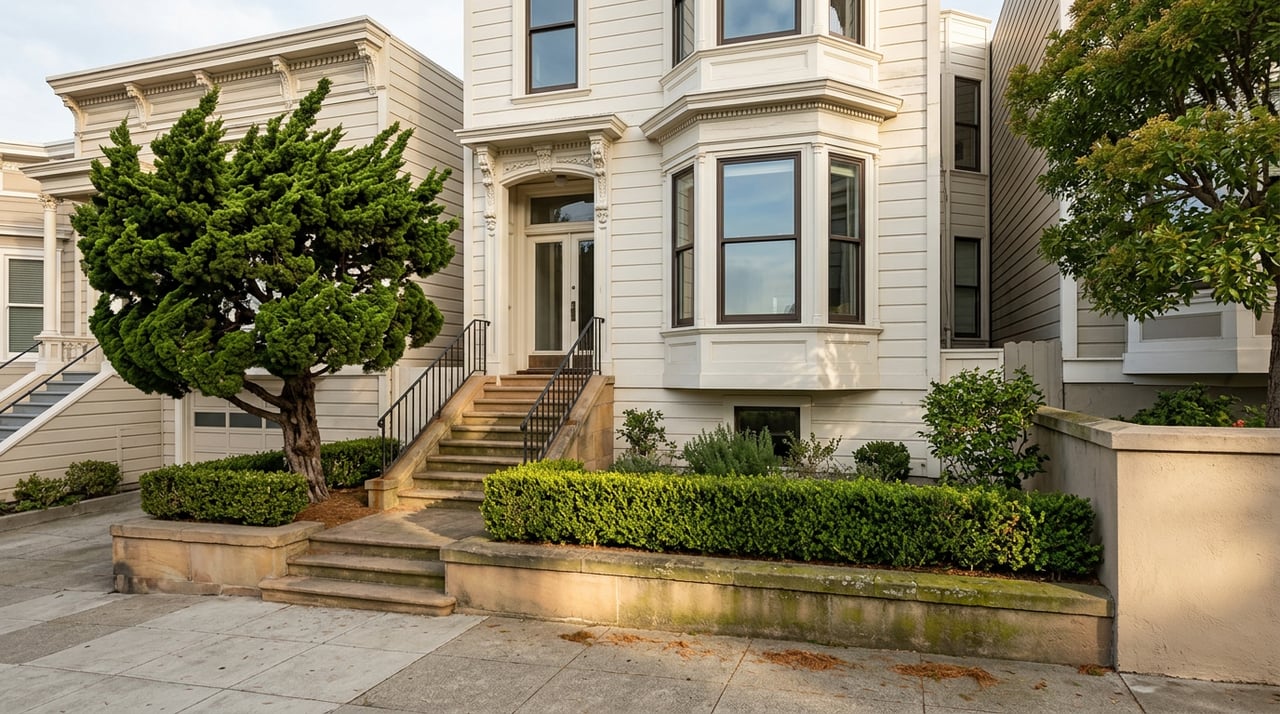
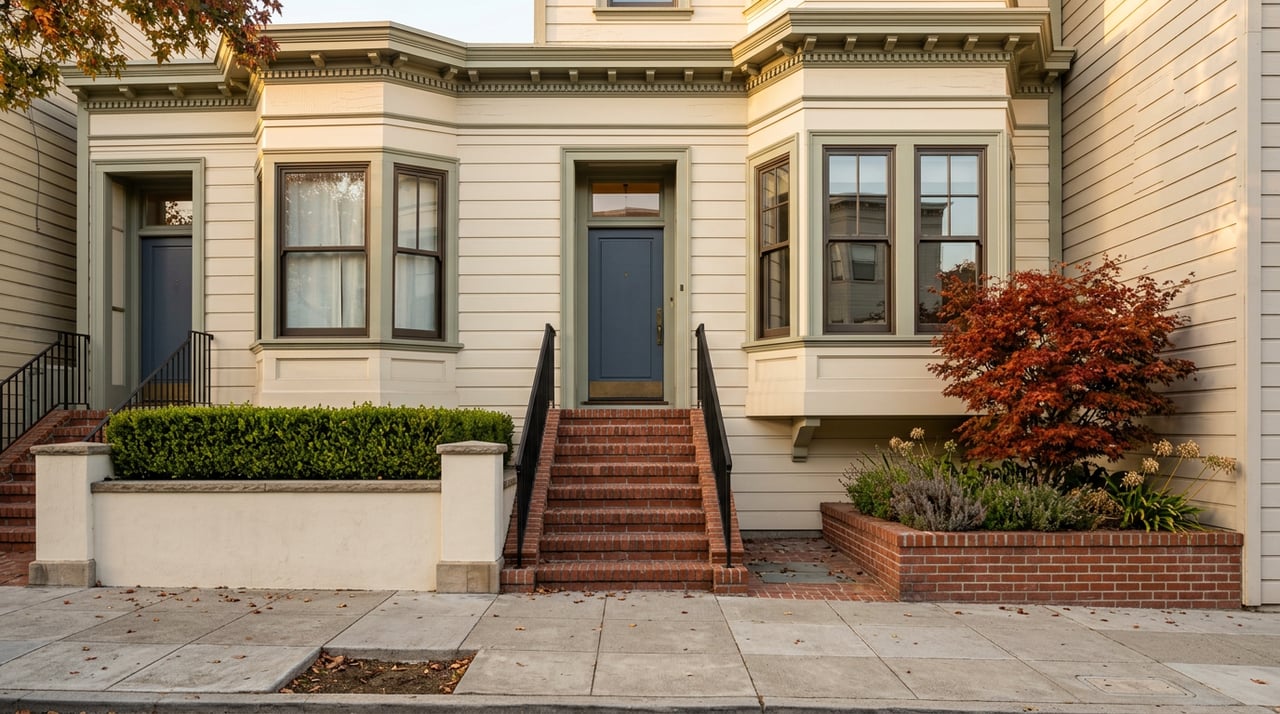
Glen Park offers several housing forms that can make sense for exchange buyers. Planning documents describe a built pattern that includes two- and three-story residences, flats, townhomes, and small mixed-use buildings that step with the hill and preserve neighborhood scale.
That gives you flexibility. Depending on your budget, financing, and goals, you may consider:
The right fit depends less on the label and more on use, income strategy, and execution risk. This is where a lender-aware agent can help you compare not just asking prices, but also financing constraints, rentability, and timing.
The strongest case for Glen Park is not rapid expansion. It is durability.
The neighborhood combines BART access, Muni service, walkable retail streets, and nearby open space in a compact setting. Those are features that can support tenant demand while also broadening the future buyer pool.
That future buyer pool may include owner-occupants who value transit access and neighborhood scale. That is helpful from a resale perspective, but it is important to keep the tax rule separate from the market story. A property’s appeal to future owner-occupants does not make a personal-use property qualify for a 1031 exchange.
If you are targeting a small multifamily or mixed-use property, it is smart to verify details early. Glen Park’s neighborhood commercial transit district reflects a transit-oriented planning approach, including rules around parking, density, and bedroom mix.
That does not mean every property near the core will fit your assumptions. It means you should confirm use, parking, and layout details before you rely on them in your exchange strategy.
A practical review should include:
In a time-sensitive exchange, good analysis is not just helpful. It can reduce the risk of identifying properties that do not actually work.
One of the biggest mistakes in 1031 planning is blending investment goals with personal-use plans too early. If you want to move into a replacement property later, that is a separate planning conversation with your CPA and attorney.
The IRS is clear that property used solely as a personal residence does not qualify. So if you are looking at Glen Park because you may one day want to live there, be careful not to assume that future personal interest makes the exchange work today.
A successful 1031 exchange usually depends on coordination as much as selection. Because the rules around timing and receipt of funds are strict, it helps to line up the right professionals before your sale closes.
Your team will often include:
For Bay Area buyers, that local knowledge matters. Glen Park can be a strong neighborhood for an exchange, but the window to act is short, and the details matter.
If you are weighing Glen Park homes as part of a 1031 strategy, working with an advisor who can combine neighborhood insight, lender-aware analysis, and hands-on execution can make the process more predictable. To talk through your options, James Kil offers a consultative approach built for complex Bay Area transactions.
Stay up to date on the latest real estate trends.


His background allows him to comfortably tune in to the ebbs and flows of the ever-changing market and provide uniquely catered advice to anyone, and he has built an extensive team of partners to leverage for the benefit of his clients.