Staging Strategies For Pacific Heights Luxury Homes
June 4, 2026
June 4, 2026
When a Pacific Heights luxury home hits the market, you usually have a very short window to make a lasting impression. In a neighborhood where homes recently sold in a median of 13 days and many sold above list price, your presentation needs to feel polished from the very first photo and showing. If you are preparing to sell, the right staging strategy can help your home read as more spacious, more intentional, and more aligned with what luxury buyers expect. Let’s dive in.
Pacific Heights is not a one-note luxury market. San Francisco Planning describes it as a neighborhood shaped by topography, Bay views, formal homes, landscaped setbacks, and high-quality materials. That means buyers are often responding to more than square footage alone.
They are also responding to the experience of the home. In Pacific Heights, that usually includes how the light moves through the rooms, how windows frame the view, and how original architecture is presented. Good staging should support those features, not compete with them.
The pace of the market makes that even more important. Recent Redfin data shows Pacific Heights as a highly competitive neighborhood, with a median sale price of $2.25 million, a 107.4% sale-to-list ratio, and 62.2% of homes selling above list. In a market like that, your launch has to feel complete on day one.
Before furniture is placed, the home needs a clear story. In Pacific Heights, that story is often one of three things: historic elegance, view-centered entertaining, or refined daily living at scale. The strongest listings make that message obvious right away.
This is where staging becomes strategic, not decorative. Instead of filling rooms just to show function, the goal is to make the home feel coherent and memorable. That approach fits both the neighborhood’s historic fabric and the expectations of luxury buyers.
For higher-end listings, buyers are not just looking for a clean home. According to NAR’s luxury staging guidance, affluent buyers expect the property to communicate a lifestyle. That is why curated furnishings, elevated accessories, and a hospitality-style presentation often outperform generic staging.
Pacific Heights has one of San Francisco’s richest collections of historic residential architecture. Planning materials identify styles ranging from Queen Anne and Shingle to Classical Revival, Tudor Revival, and Mediterranean Revival. In a setting like this, restraint matters.
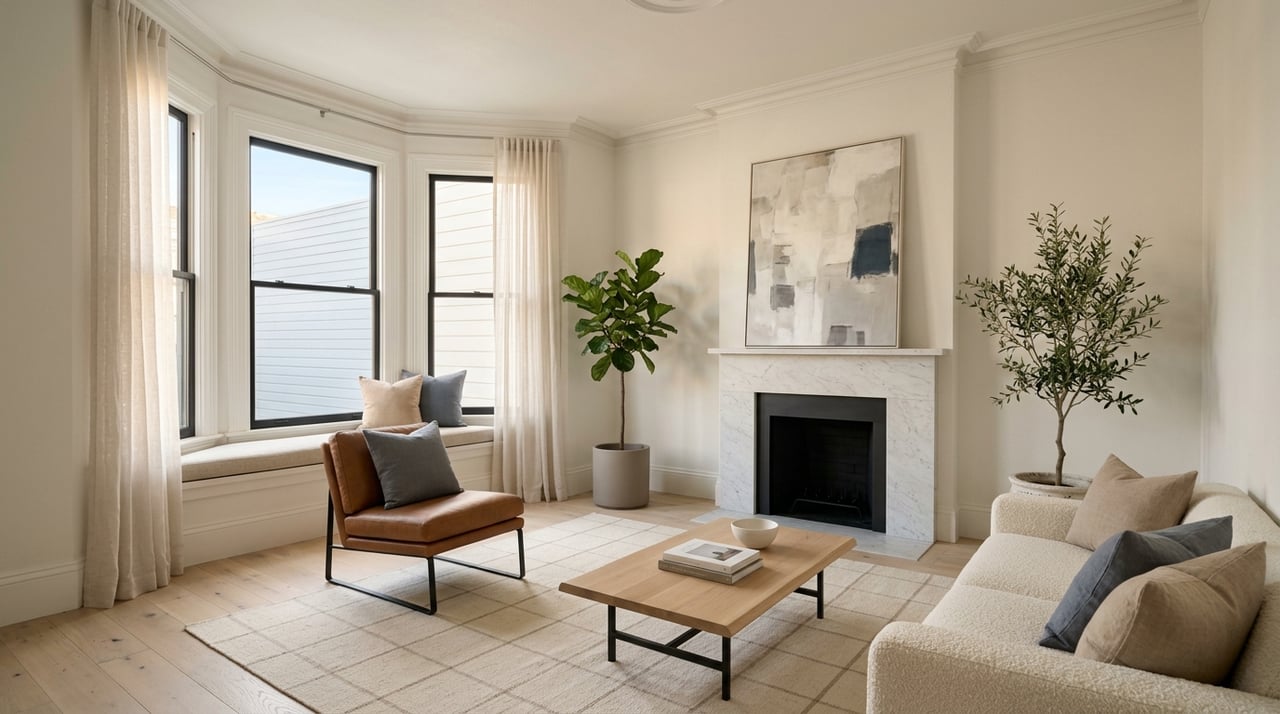
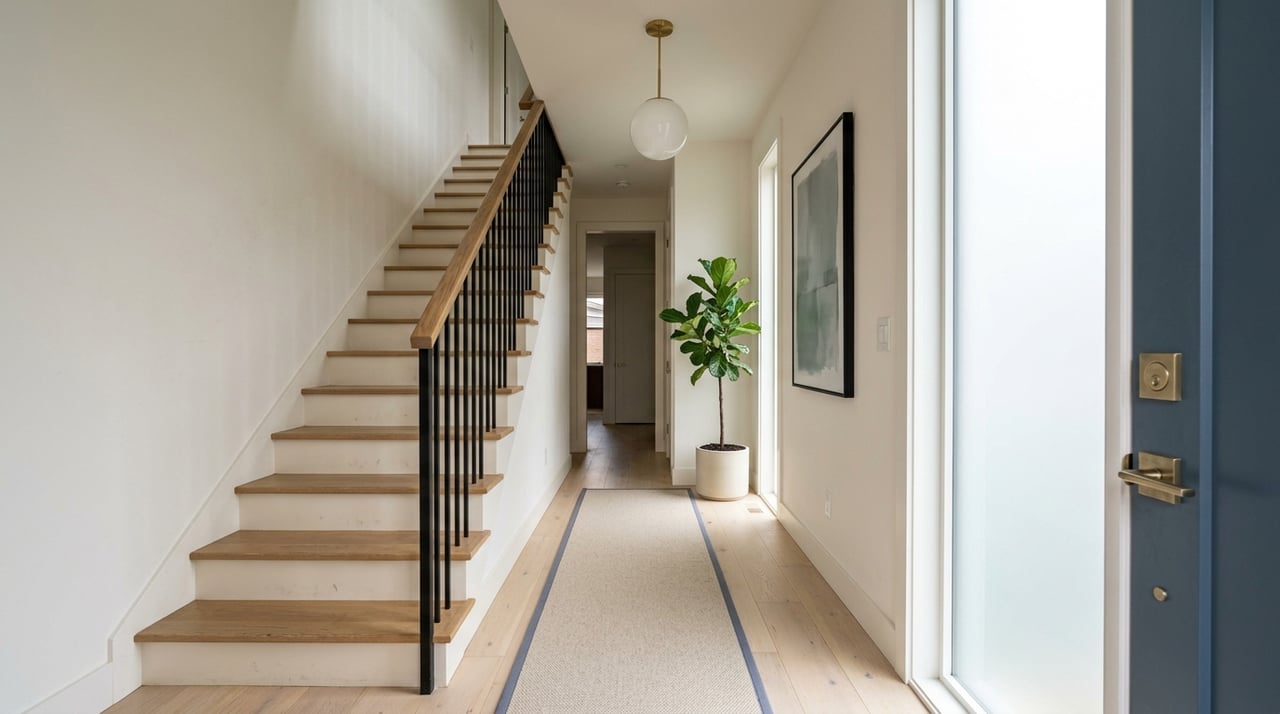
Your staging should reveal the architecture, not overwrite it. That means keeping attention on bay windows, fireplaces, staircases, moldings, and room proportions. If accessories or furniture block those features, the home can lose some of what makes it special.
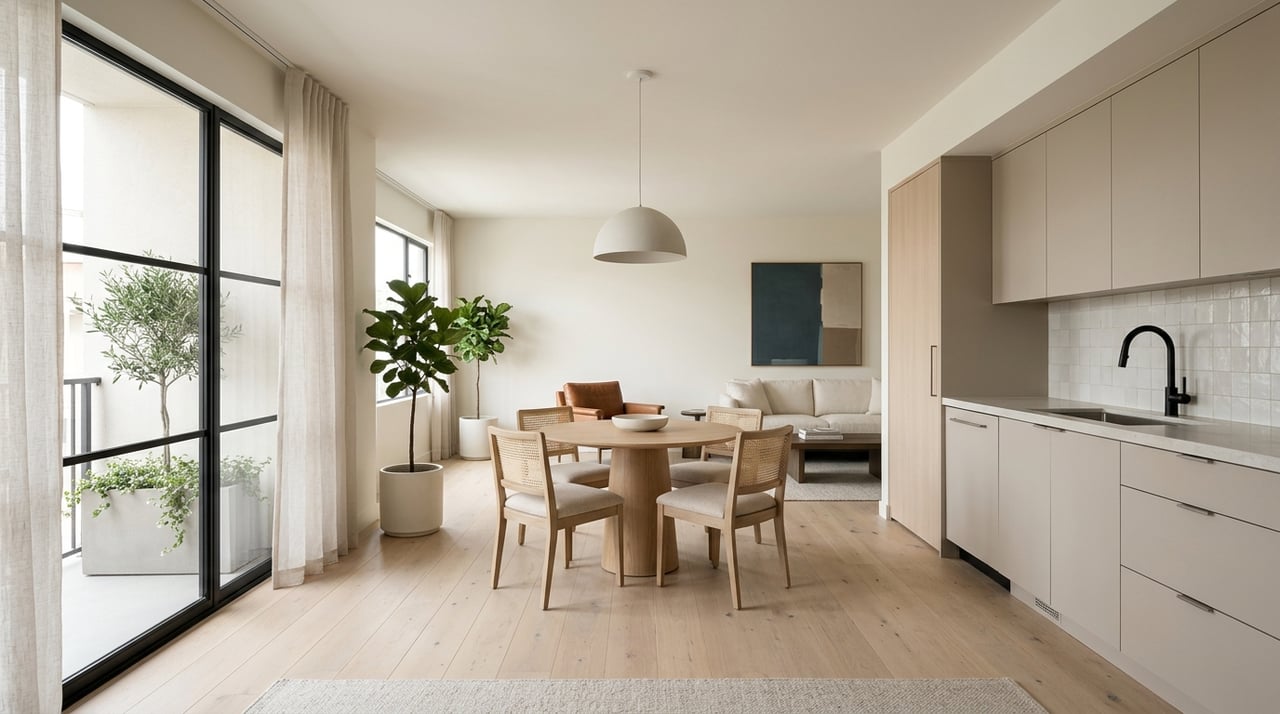
Scale matters just as much as style. Many Pacific Heights homes are large and formal, so undersized furniture can make rooms feel awkward, while too much furniture can make them feel crowded. The best approach is usually substantial pieces with clean spacing and clear circulation.
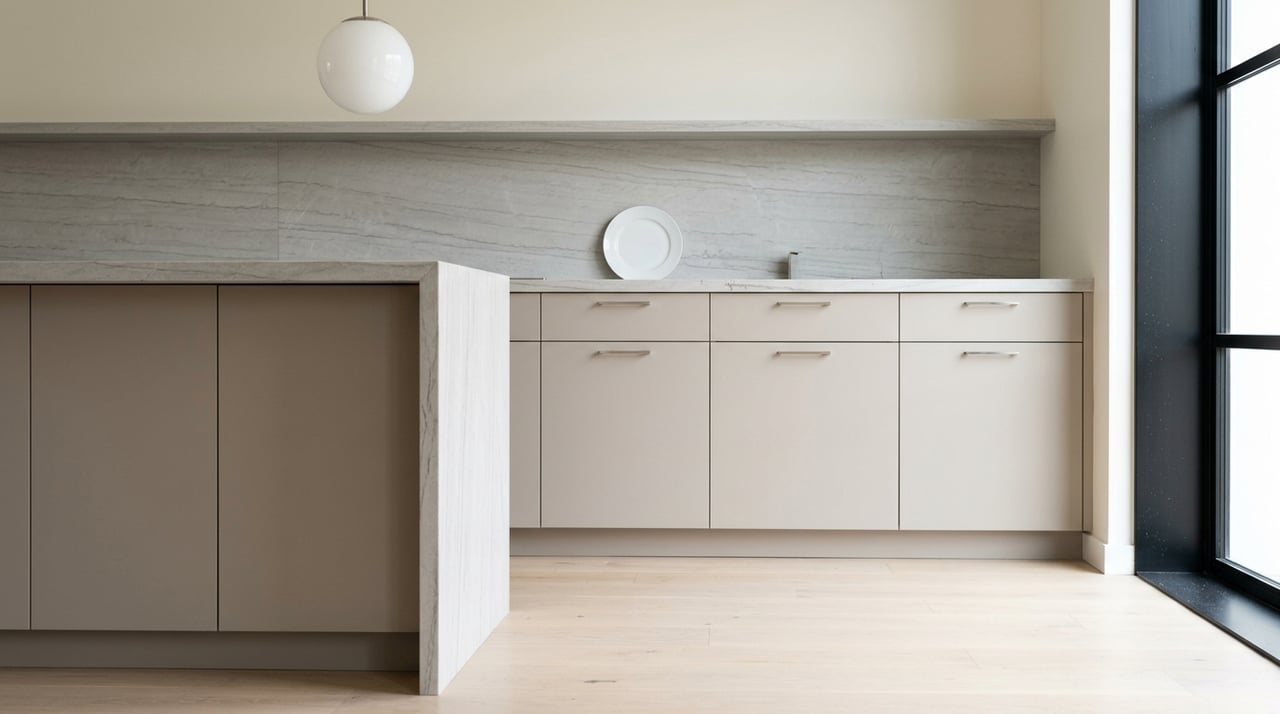
Not every room needs the same level of staging. NAR’s 2025 Profile of Home Staging found that buyers’ agents see the living room, primary bedroom, and kitchen as the most important spaces for helping buyers visualize the home. For Pacific Heights listings, the dining room also tends to carry weight because of the neighborhood’s scale and entertaining appeal.
Here is where to focus first:
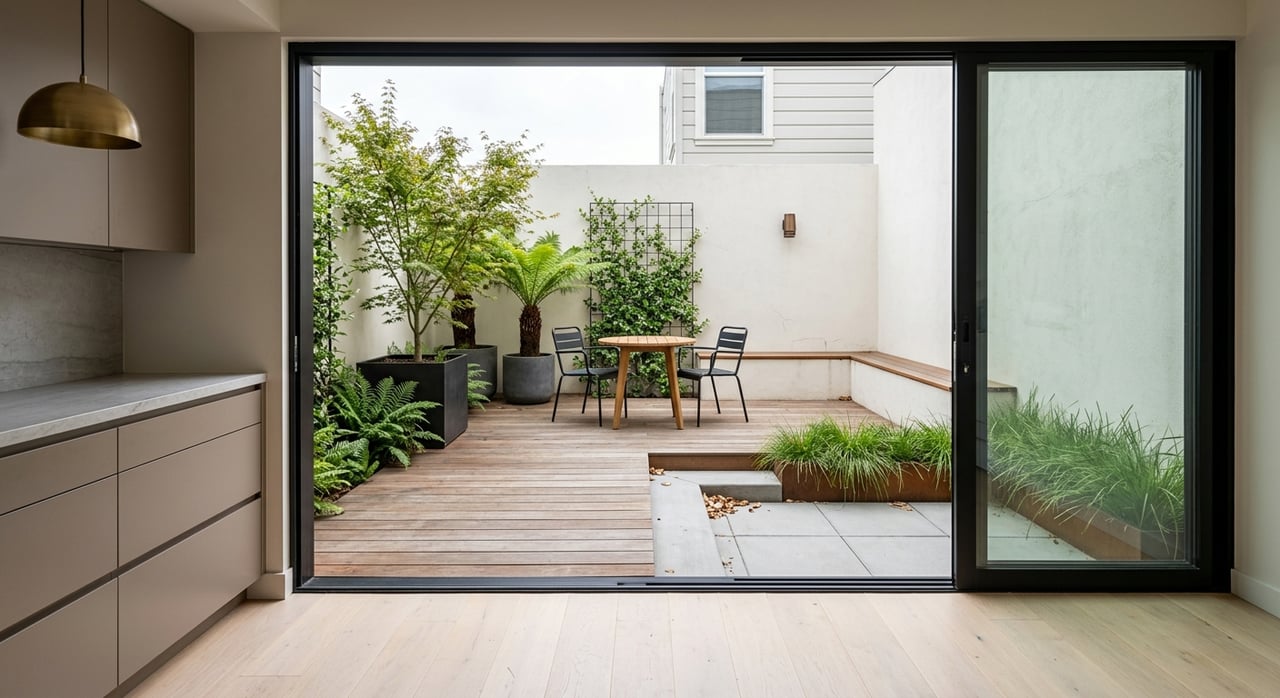
Outdoor presentation can matter more in Pacific Heights than in many urban neighborhoods. Planning guidance emphasizes landscaped street areas, setbacks, and view-oriented lots, and NAR data shows that outdoor or yard space is often included in staging. Even a small terrace or entry garden should feel intentional.
In Pacific Heights, views are often part of the value proposition. The neighborhood’s official planning descriptions repeatedly point to Bay outlooks, hillside streets, and prominent building form. That means sightlines should shape the staging plan.
Furniture should direct the eye toward windows and long views. Window treatments, if used, should feel light and unobtrusive. Foregrounds should stay uncluttered so the room and the outlook read clearly in person and in photography.
This is one of the biggest differences between a standard staging plan and a Pacific Heights strategy. You are not just dressing a room. You are creating a visual path from the entry to the architecture to the view.
Staging works best when the home already feels well cared for. If buyers notice chipped paint, worn finishes, or deferred maintenance, they may focus on condition instead of design. NAR’s 2025 Remodeling Impact Report notes that 46% of buyers are less willing to compromise on condition than they used to be.
That is why pre-listing prep still matters. The same report says REALTORS® most often recommend painting the entire home or at least one interior room before listing. Fresh paint can make a luxury home feel brighter, cleaner, and more current without changing its character.
Other practical updates can also improve price perception. Closet organization, visible condition fixes, and entry refreshes tend to support a move-in-ready feel. In a fast-moving luxury market, that can help buyers engage with the home emotionally instead of mentally tallying projects.
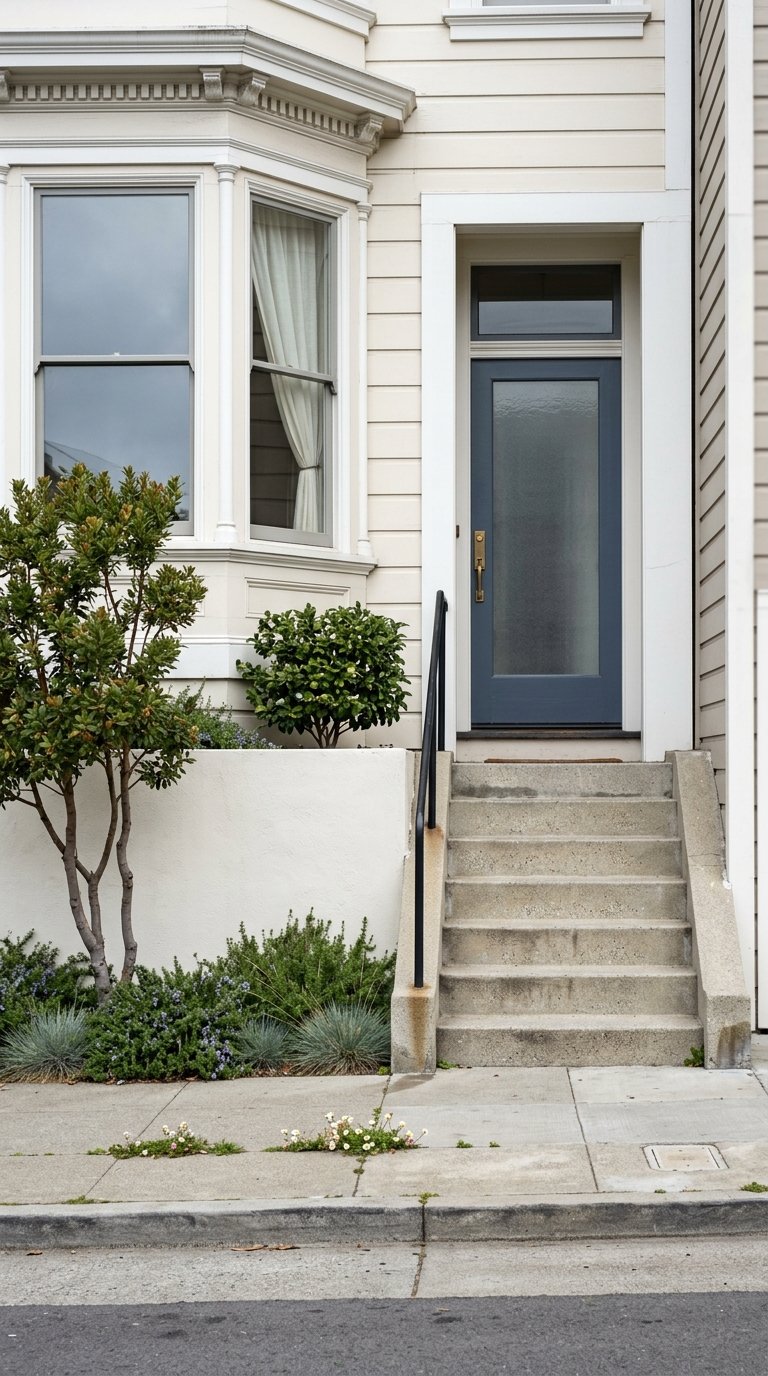
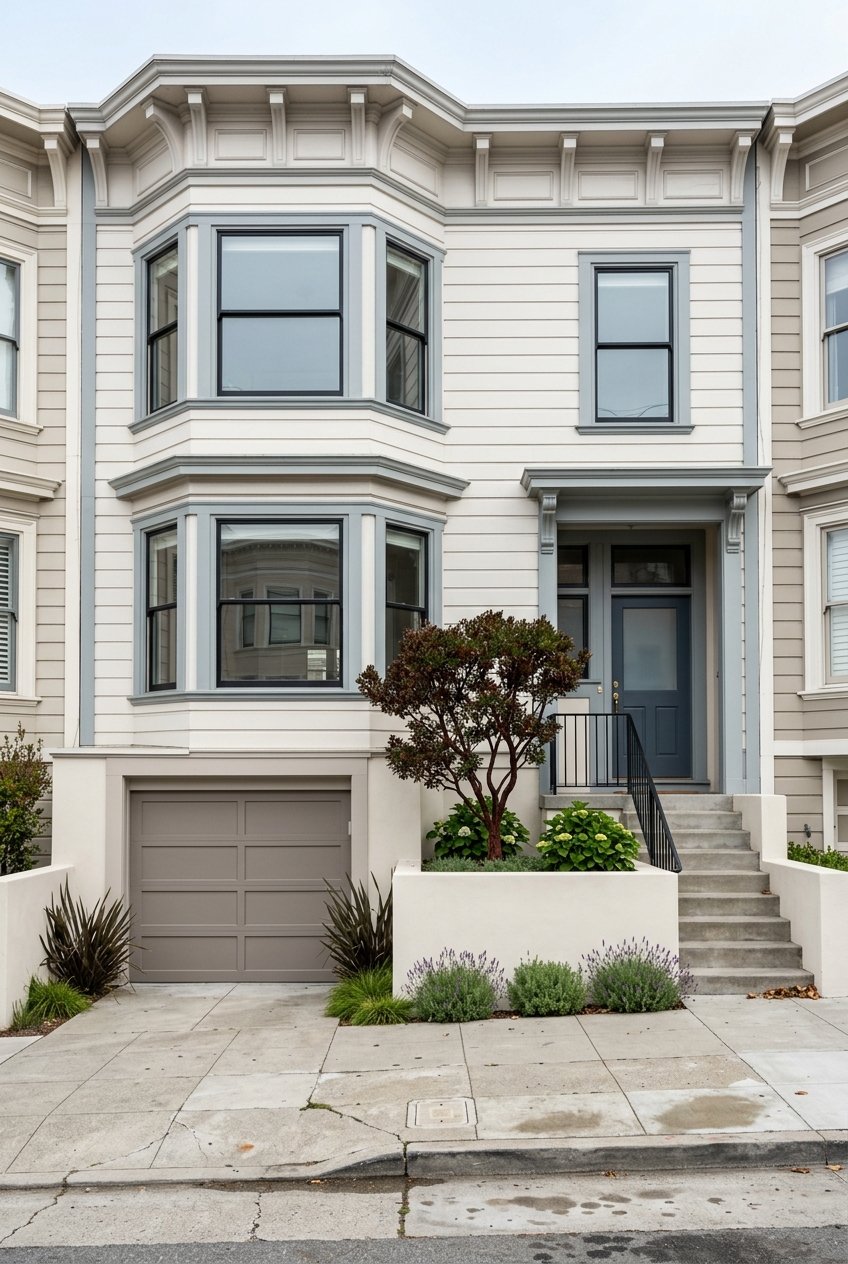
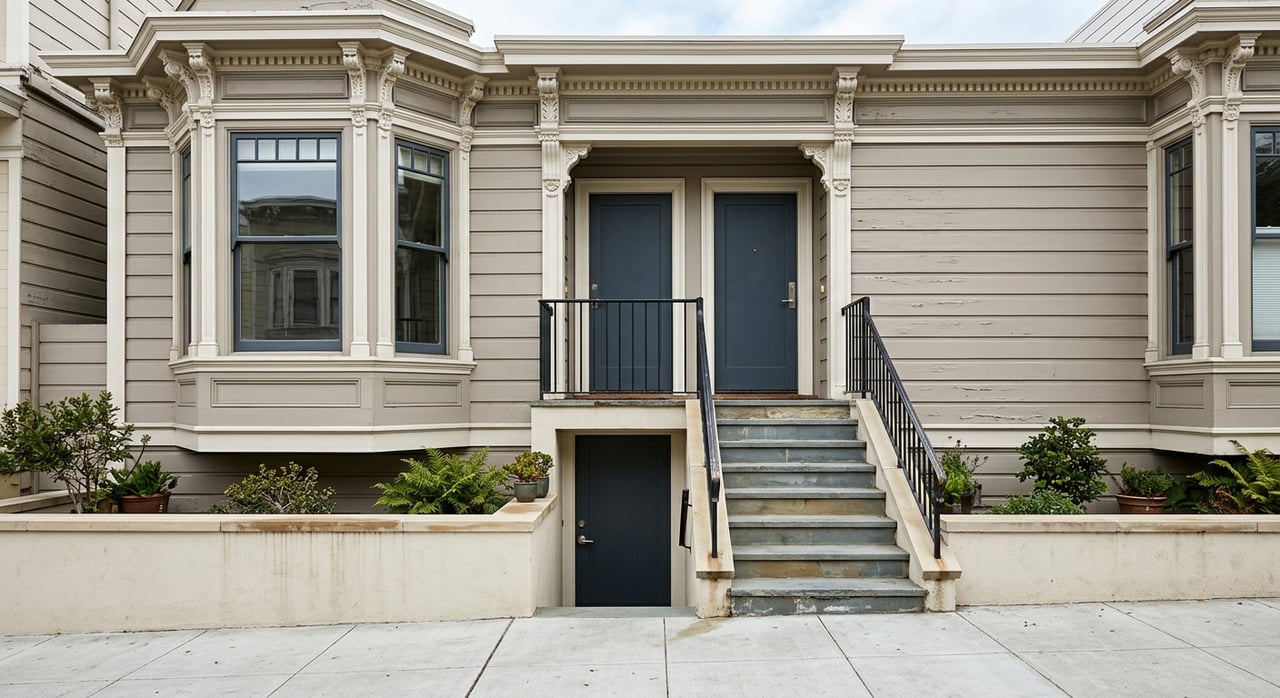
The entry sequence does a lot of work in Pacific Heights. Many homes sit behind front setbacks, landscaped areas, stairs, walls, or formal approaches, so the first impression begins before a buyer reaches the front door. Exterior presentation is part of the stage set.
That means tidying landscaping, cleaning paving, refreshing planters, and making sure sightlines to the façade feel crisp. A front door update can also be meaningful. NAR’s remodeling report assigns strong estimated cost recovery to front door replacements, which reinforces how much the entry can influence buyer perception.
Inside, the foyer or first interior view should feel open and calm. Avoid crowding the space with oversized décor or too many accent pieces. Buyers should immediately understand the tone of the home.
In luxury marketing, staging does not end in the home. It has to translate beautifully online. NAR’s staging survey found that buyers’ agents place high importance on photos, videos, and virtual tours, and many buyers expect homes to look as polished as professionally staged properties they see in media.
That makes the prep-stage-shoot-launch sequence important. The home should be fully ready before photography begins, not almost ready. Last-minute fixes, clutter, and poorly styled corners can weaken the full marketing package.
For Pacific Heights specifically, photography should be planned around natural light and the home’s best view lines. Clean windows, simple treatments, and uncluttered rooms help the camera capture what matters most. The goal is consistency between what buyers see online and what they feel in person.
In Pacific Heights, enough staging is the amount that makes the home feel larger, brighter, and more intentional while keeping the architecture visible. That usually means curated rather than crowded. You want buyers to notice the home first, and the furnishings second.
Overstaging can be just as unhelpful as understaging. If every surface is heavily styled or every room feels packed, the home can lose its sense of scale and authenticity. In a neighborhood known for formal dwellings, rich materials, and architectural detail, clarity is often the stronger move.
A practical test is simple: does the staging help a buyer understand the room, appreciate the home’s character, and imagine living there? If the answer is yes, you are likely in the right range.
Great staging is not only about taste. It is also about timing, coordination, and knowing where effort will have the biggest impact. In a neighborhood where homes move quickly and visual presentation carries so much weight, the details matter.
That is where a concierge-style listing approach can make a difference. When your agent helps coordinate prep, staging, and launch as one connected plan, the result is usually smoother and more consistent. You are less likely to spend on the wrong updates or miss the narrow window for a strong debut.
If you are preparing to sell a luxury home in Pacific Heights, the smartest strategy is usually the one that balances design judgment with market discipline. That means revealing the architecture, framing the views, tightening the condition, and presenting the home as a complete experience from curb to camera. If you want a data-driven, hands-on plan for your sale, James Kil can help you coordinate every step with clarity and care.
Stay up to date on the latest real estate trends.
His background allows him to comfortably tune in to the ebbs and flows of the ever-changing market and provide uniquely catered advice to anyone, and he has built an extensive team of partners to leverage for the benefit of his clients.