Marina CA Waterfront Living: Homes, Trails, and Daily Life
June 18, 2026
June 18, 2026
If you picture coastal living as equal parts fresh air, practical convenience, and room to move, Marina deserves a closer look. This Monterey County city offers a daily rhythm shaped by dunes, trails, parks, and a housing mix that is broader than many buyers expect from a small beachside market. Whether you are exploring a move, comparing lifestyle tradeoffs, or simply trying to understand what makes Marina distinct, this guide will walk you through the architecture, waterfront, and everyday experience that define life here. Let’s dive in.
Marina sits along Monterey Bay, about nine miles north of Monterey and 18 miles south of Watsonville. The city stretches for about five miles along the Pacific Ocean, from former Fort Ord land and the CSU Monterey Bay area on the south to the Salinas River on the north, with its inland edge extending toward Marina Municipal Airport.
That geography shapes how the city feels day to day. You are close to the water, but Marina is not just a postcard beach town. It is a compact coastal city with active recreation, varied housing, and planning efforts that point to continued growth.
For many people, Marina’s strongest draw is simple: direct access to beaches, dunes, and open space. The city’s waterfront experience centers less on dense commercial activity and more on outdoor use, scenic views, and public access.
Marina State Beach sits at the end of Reservation Road and is a day-use beach known for strong winds, tall dunes, hang gliding, kite flying, radio-controlled gliders, picnics, and fishing. It is the kind of place where the landscape itself becomes part of your routine, whether that means a quick stop to watch gliders in the air or a longer weekend outing near the dunes.
It is also important to understand the beach conditions clearly. California State Parks warns that water recreation here is extremely hazardous because of strong rip currents. For many residents, that means enjoying the shoreline as a place for views, walking, and recreation on land rather than in the water.
Next to Marina, Fort Ord Dunes State Park adds another layer to the coastal lifestyle. The park includes about 837 acres and four miles of ocean beach, giving the area a broad, open feeling that can be hard to find in more built-up coastal communities.
The setting also reflects local history. Fort Ord Dunes opened for day use in 2009 on former Fort Ord land, and that transition from military land to public open space is part of what makes Marina’s edge feel so expansive today.
If your version of coastal living includes more than beach time, Marina stands out for trail access. The Coastal Recreation Trail reaches Marina State Beach, while nearby Fort Ord National Monument offers more than 86 miles of trails for hiking, biking, and horseback riding.
That trail network gives you options for how you use the outdoors. You can keep it casual with a short walk near the coast, or build more active routines around biking, hiking, or longer weekend outings in one of the region’s large open-space areas.
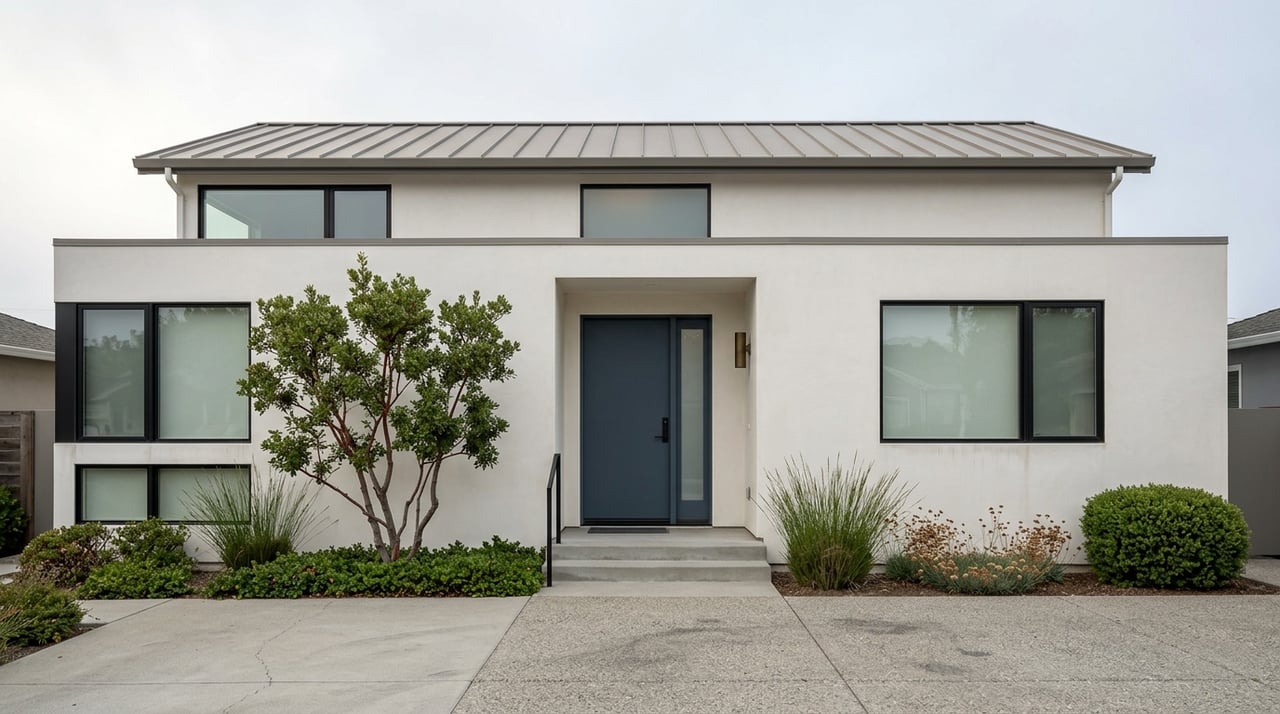
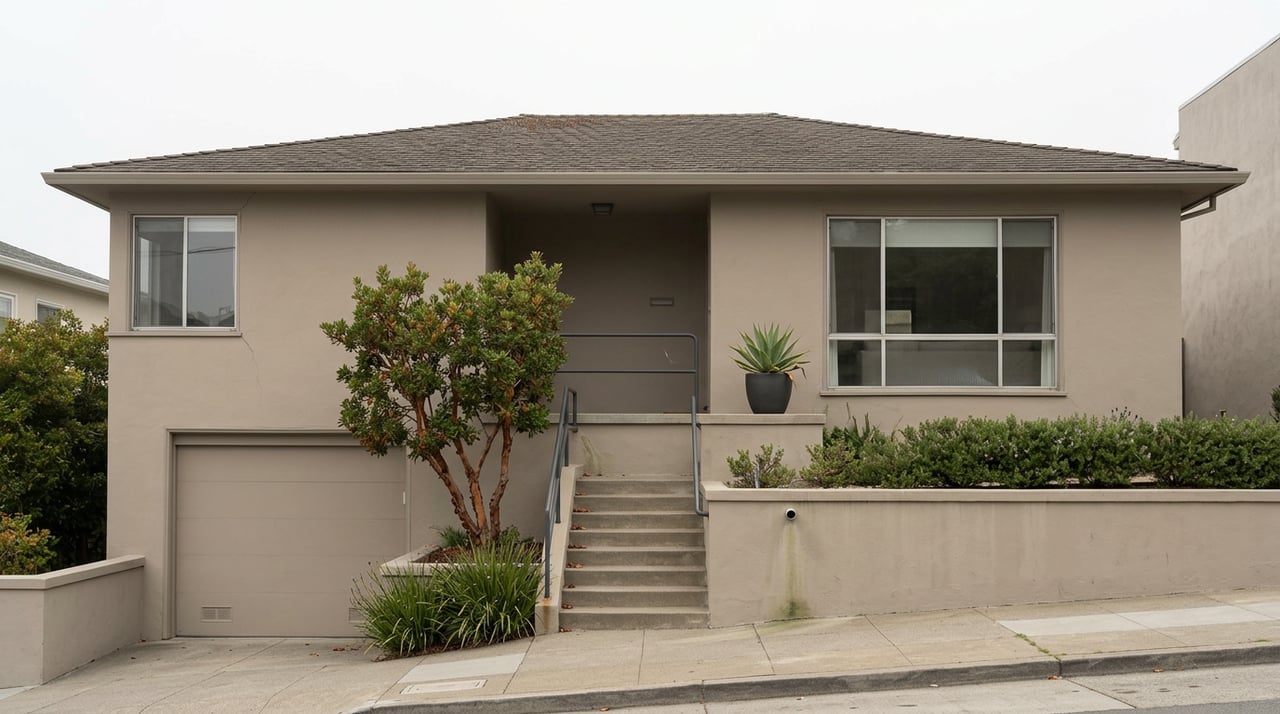
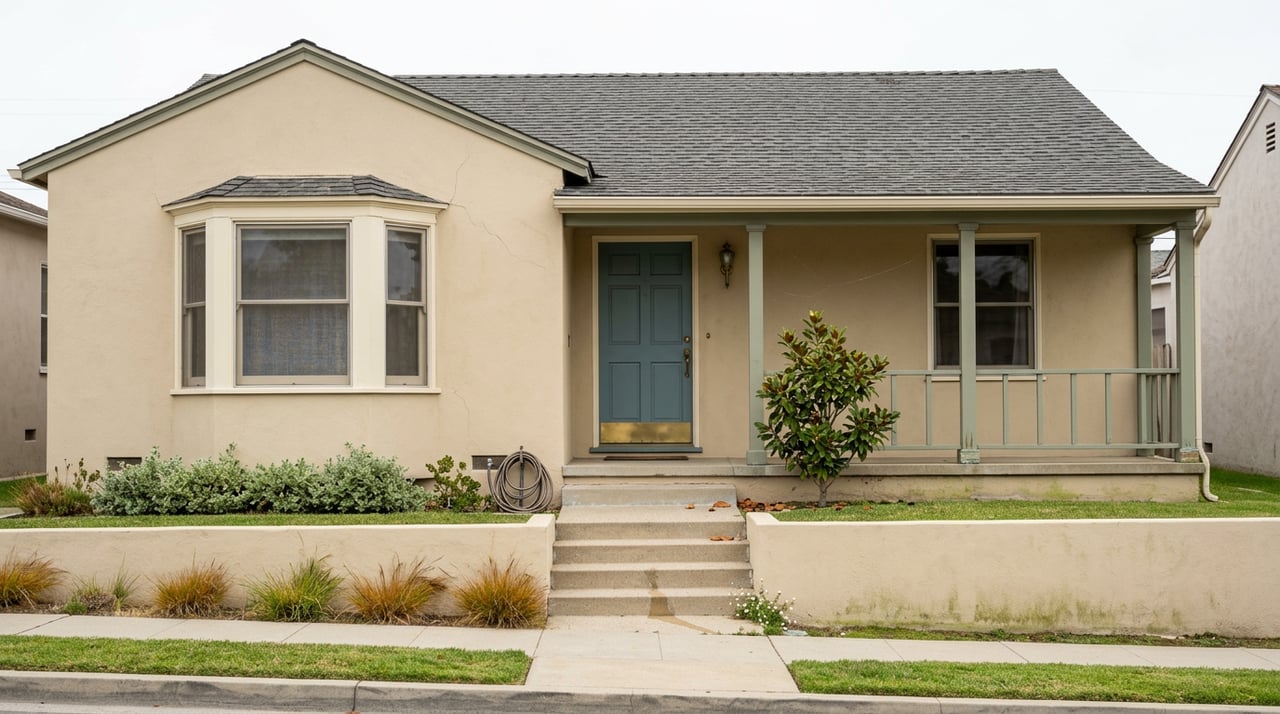
Marina’s housing story is more mixed and more layered than many people expect. Instead of one dominant home style or a single uniform neighborhood pattern, the city has a range of housing types shaped by different periods of development and by its Fort Ord history.
According to the city’s 2023 to 2031 Housing Element, about 58% of Marina’s housing stock is single-family, and about 26% is in buildings with five or more units. The city also has mobile homes in five parks.
That matters if you are comparing Marina to other coastal markets with more limited inventory types. Here, you can see detached homes, attached housing, multifamily properties, and mobile-home communities in the same city, which creates a more varied housing landscape.
Some of Marina’s multifamily inventory is tied to former Fort Ord housing complexes, including Abrams Park and Preston Park. That historical layer gives parts of the city a different housing pattern than you might find in older, more tightly styled coastal towns.
In practical terms, this can affect what you see as you tour the market. Instead of a purely traditional coastal housing profile, Marina offers a blend of established residential areas, repurposed former military housing areas, and newer planning concepts tied to future growth.
The same Housing Element notes that owner-occupied units in Marina are predominantly single-family detached, at 85%. Renter-occupied units, by contrast, are mostly multifamily, and studios and one-bedroom units made up 28% of the rental market from 2016 through 2020.
For buyers and renters alike, that points to a city with real choice. You are not looking at a one-format market. Your options may vary based on whether you want a detached home, a smaller rental unit, or a property tied to a more multifamily setting.
A good location is only part of the story. What really shapes your experience in Marina is how easy it is to build a routine around parks, recreation, casual dining, and simple access to outdoor spaces.
Marina’s parks system is a visible part of local life. The city lists Civic Center Community Park Playground, Hilltop Park, Marina Skate Park, Preston Park, Vince Di Maggio Park, and Windy Hill Park, and it also notes ongoing park improvements and future projects.
That range gives residents different ways to use public space. Some parks support active recreation, some offer casual gathering spots, and others help create breathing room within the city’s residential areas.
Hilltop Park is one of the strongest examples of Marina’s everyday appeal. The city describes it as an elevated site with Pacific Ocean and Salinas Valley views, walking paths, seating, native landscaping, and an off-leash dog park.
For many buyers, details like this matter as much as square footage. A park with views, walking paths, and space for dogs can become part of your regular routine, not just a place you visit once in a while.
Marina’s Recreation and Cultural Services Department runs youth, teen, and senior centers and hosts community events and sports leagues. That public programming adds another dimension to daily life beyond the physical setting.
In other words, Marina is not only about open land and ocean access. It also has an organized civic structure that supports regular community use across different age groups and interests.
The city’s restaurant guide points to an everyday dining scene with cafes, breakfast spots, pizza, Mexican, Thai, Chinese, and chain options. That mix suggests a practical, lived-in local food scene rather than a destination dining identity.
For residents, that can be a plus. Daily life often runs better when you have straightforward options close by for coffee, takeout, breakfast, or a simple weeknight meal.
Mobility plays a meaningful role in how Marina functions. Monterey-Salinas Transit includes Route 18, connecting Sand City and Marina via Monterey Road, and Route 20, connecting Monterey and Salinas.
MST’s SURF project would also add a bus-only route between Marina, Sand City, and Seaside, with one-seat rides toward Monterey and Salinas. For people thinking about commuting patterns or regional access, that future improvement is worth watching.
Marina Municipal Airport adds another local transportation feature. The airport is described as the newest general aviation airport on the Monterey Peninsula, which adds to Marina’s distinct local infrastructure even if it is not part of most residents’ daily routine.
Marina is not standing still. The city’s Downtown Vitalization Specific Plan anticipates significant future change, including potential buildout of about 2,904 new housing units and 1.385 million square feet of new retail and office space in the downtown area.
At full buildout, the plan area could reach up to 5,205 housing units and 2.39 million square feet of commercial and retail space. That is a substantial long-term vision for a compact coastal city and signals that Marina is thinking actively about how to accommodate housing, commerce, and daily services over time.
The city’s coastal-access planning also focuses on public access, public facilities, recreation, and restoration in the coastal zone. For buyers and residents, that emphasis matters because it supports the idea that Marina’s waterfront identity is tied not just to views, but also to usable public space.
Marina combines several qualities that do not always show up together in one coastal market. You get beach and trail access, a parks-oriented daily lifestyle, and a housing inventory that includes detached homes, multifamily properties, and mobile-home communities.
You also get a city with room to evolve. Between its waterfront setting, Fort Ord legacy, trail network, and development plans, Marina offers a version of coastal living that feels more practical, more varied, and more growth-minded than many small seaside communities.
If you are weighing lifestyle, housing options, and long-term context, that combination is worth a serious look. And if you want help thinking through Marina from a market, financing, or property-positioning perspective, James Kil can help you approach the decision with clarity and confidence.
Stay up to date on the latest real estate trends.
His background allows him to comfortably tune in to the ebbs and flows of the ever-changing market and provide uniquely catered advice to anyone, and he has built an extensive team of partners to leverage for the benefit of his clients.