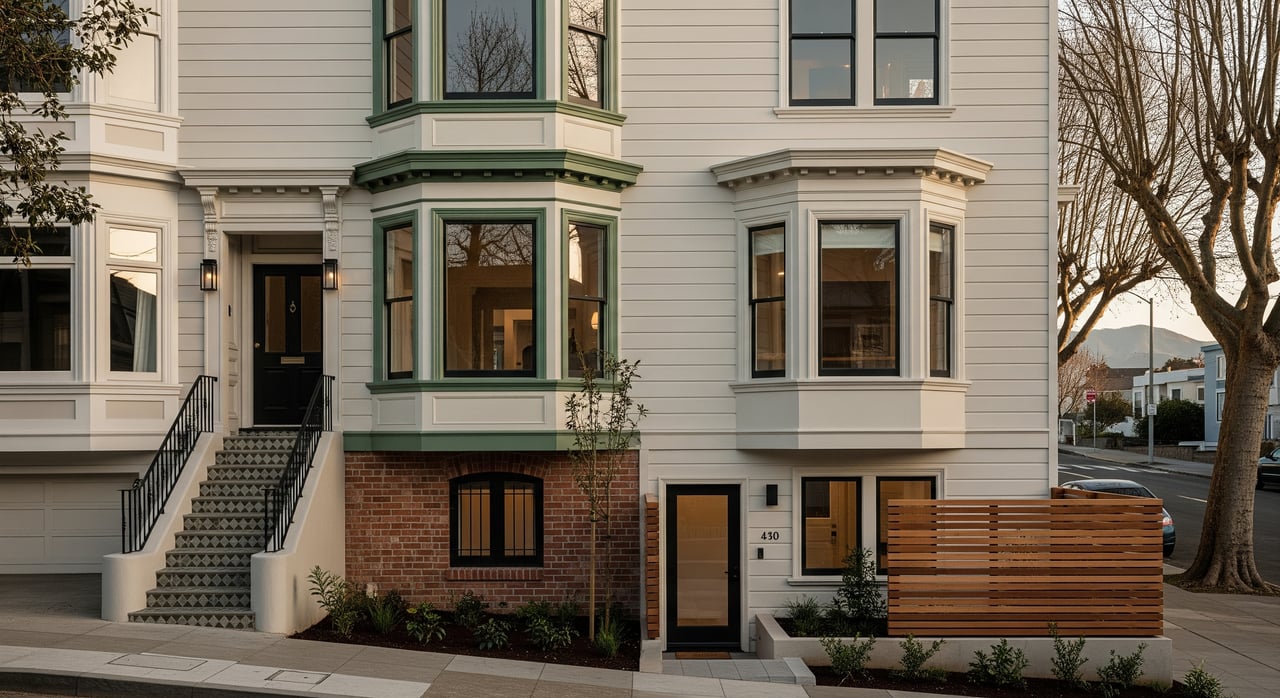
House‑Hacking in Noe Valley: Income Strategies Within the Rules
October 16, 2025
October 16, 2025
Looking for ways to make a Noe Valley home more affordable without crossing legal lines? You’re not alone. With high purchase prices and detailed city rules, the right strategy can help you offset your mortgage while staying compliant. In this guide, you’ll learn what actually works in San Francisco, what the rules require, and how to plan your financing and operations with fewer surprises. Let’s dive in.
Noe Valley homes often trade at premium prices, so the most realistic approaches focus on multi‑unit properties, adding a compliant ADU, renting rooms for 30 days or longer, or selective hosted short‑term stays. The key is aligning your plan with San Francisco’s rules from day one. That way, you protect cash flow and avoid costly compliance issues.
Many units built on or before June 13, 1979 are covered by San Francisco’s Rent Ordinance, which includes rent stabilization and just‑cause eviction rules. If you buy a property with existing tenants, you must honor these protections and any notice and relocation requirements for owner move‑in or other no‑fault actions. Review the city’s overview of rental laws before pursuing a strategy that depends on unit turnover. See the city’s summary at Learn about San Francisco rental laws.
San Francisco requires short‑term rental hosts to be the Permanent Resident of the unit, which means you must live and sleep there at least 275 nights per year. Unhosted whole‑unit rentals are capped at 90 nights per year; hosted stays do not have a night cap, but you must be present overnight. You must register with the Office of Short‑Term Rentals and maintain required insurance and reporting. Review eligibility and rules at OSTR guidance and ongoing requirements at Maintain your certified host status.
San Francisco also charges a 14 percent Transient Occupancy Tax on stays under 30 days. Hosts must have a business registration and ensure tax is remitted. Learn more at the Transient Occupancy Tax page.
Important: Accessory Dwelling Units are generally ineligible for short‑term rental certification in San Francisco.
The city supports ADUs, but permits and code compliance can add cost and time. Multi‑unit ADU projects can trigger fire alarm or sprinkler upgrades, and most projects require stamped plans from design professionals. Budgets commonly reach six figures and timelines can run 12 to 18 months or more. Start with the city’s ADU resources at Accessory Dwelling Units and review code requirements at Design an ADU that meets city codes.
Buying a duplex, triplex, or fourplex and occupying one unit is a classic, compliant approach. Owner‑occupied loans for 2 to 4 units can count some rental income from the other units when you qualify. FHA and conventional programs have different rules on down payment, reserves, and income treatment. Read FHA guidance in the Single Family Housing Policy Handbook 4000.1 and confirm current conventional requirements with lenders using the Fannie Mae guide.
If your lot and structure qualify, an ADU can generate steady income with long‑term tenants while you live in the main unit. In San Francisco, ADUs are for long‑term housing, not short‑term stays, so plan your pro forma accordingly. Use the city’s ADU pages to scope feasibility, timelines, and likely costs.
Renting bedrooms for 30 days or longer can help you boost income without short‑term rental registration. You still need compliant leases and screening that follow fair‑housing laws. Keep occupancy and building codes in mind if you plan any layout changes.
If you remain present overnight, hosted stays can be a flexible way to fill gaps without the 90‑night unhosted cap. You still must be the Permanent Resident, maintain insurance, and register with OSTR. Keep good records and calendar tracking to preserve your certification.
You buy a 2‑unit building, live in one, and lease the other at market rate. You use a loan program that counts part of the other unit’s rent to qualify. You keep leases tight, set aside reserves, and avoid short‑term rental complexity.
You occupy one unit and rent the rest. You prepare for stricter reserve and self‑sufficiency tests on some programs and document projected rent with the appraiser’s schedule. You focus on clean permits and tenant compliance to keep financing on track.
You add a permitted ADU and rent it long term to support the primary mortgage. You budget for professional design and possible fire safety upgrades, and you avoid counting on STR income because ADUs are generally ineligible for STR certification in San Francisco.
If your Noe Valley property has legal rental units or clear ADU potential, highlight documentation buyers need for underwriting. Provide permit records, rent rolls, and recent leases. Clarify tenant status and any rent‑control coverage. Clean, lender‑ready files can widen your buyer pool and improve your outcome.
Ready to map a compliant path that fits your goals and the property you want? Connect with James Kil for lender‑aware guidance, clear cash‑flow scenarios, and end‑to‑end execution in Noe Valley and across San Francisco.
Stay up to date on the latest real estate trends.


His background allows him to comfortably tune in to the ebbs and flows of the ever-changing market and provide uniquely catered advice to anyone, and he has built an extensive team of partners to leverage for the benefit of his clients.