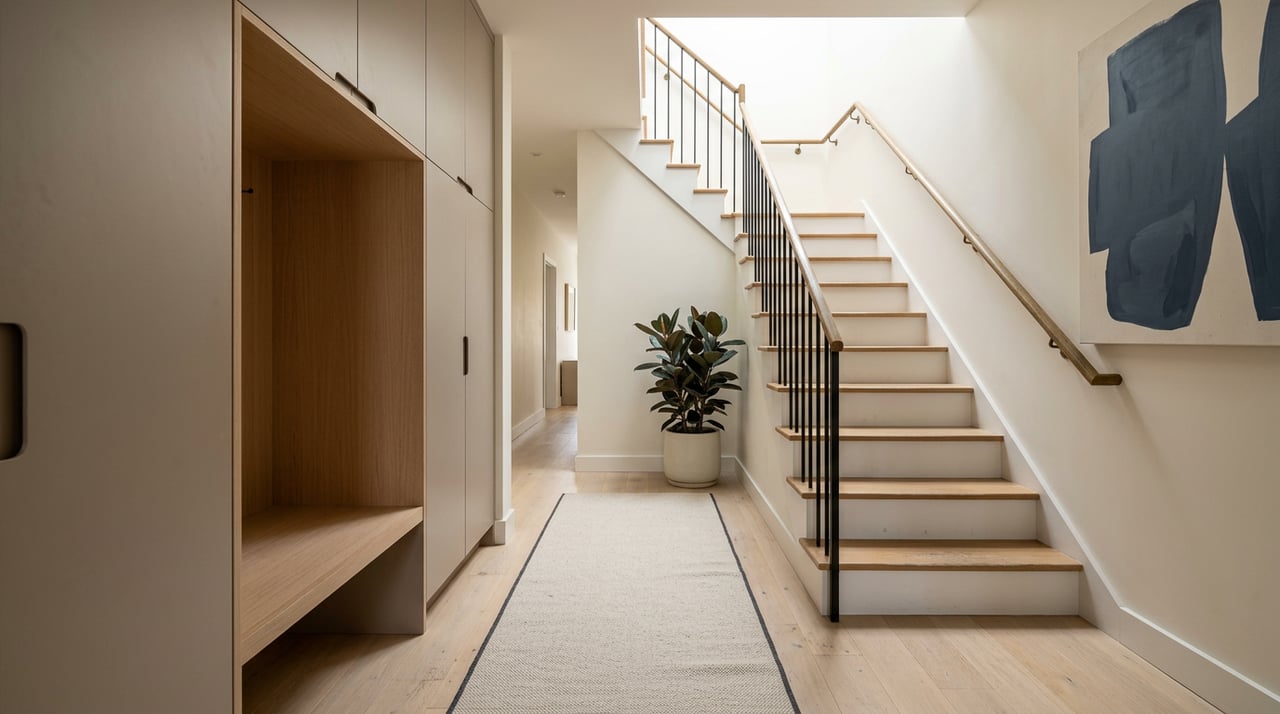
Noe Valley Neighborhood Guide for Families and Daily Life
March 24, 2026
March 24, 2026
If you are outgrowing your current place and want more space without giving up city life, Noe Valley deserves a close look. You get a sunny neighborhood feel, quick transit options, and daily conveniences in one compact area. In this guide, you will learn what types of homes you will actually find, how the J‑Church and nearby BART fit your commute, where people spend weekends, and the buyer details that matter for a smooth purchase. Let’s dive in.
Noe Valley is known for tree‑lined streets, hillside views, and a central location with an easygoing pace. Locals often call it “Stroller Valley,” a nod to its family‑oriented vibe and active sidewalk scene along 24th Street. That reputation shows up in local coverage of the neighborhood’s dining and daily life, which highlights its friendly, village‑scale feel and regular foot traffic along the corridor (SFGate).
The San Francisco Planning neighborhood profile places Noe Valley at roughly 18,650 residents and about 8,800 households, with a median age around 39.4 and a notable share of households with children. Educational attainment is high, and the housing stock includes a strong owner presence alongside multi‑unit buildings, which helps explain its residential, village‑like rhythm (SF Planning neighborhood profile).
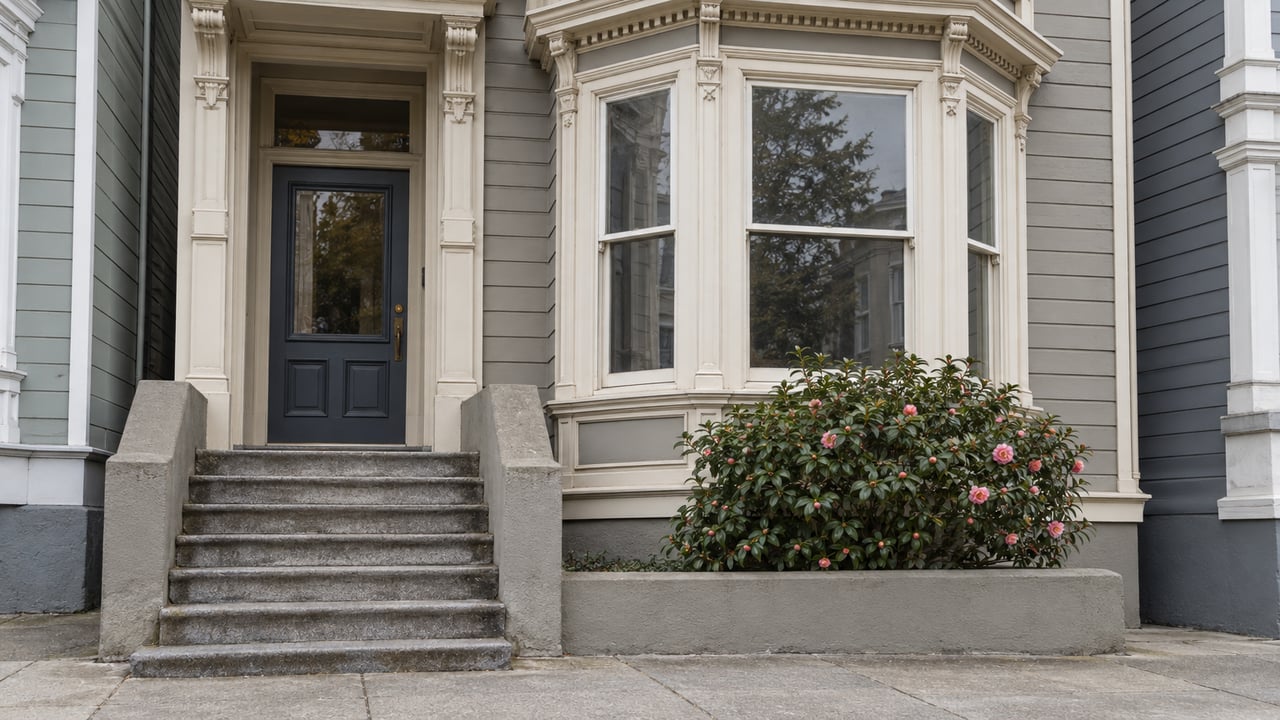
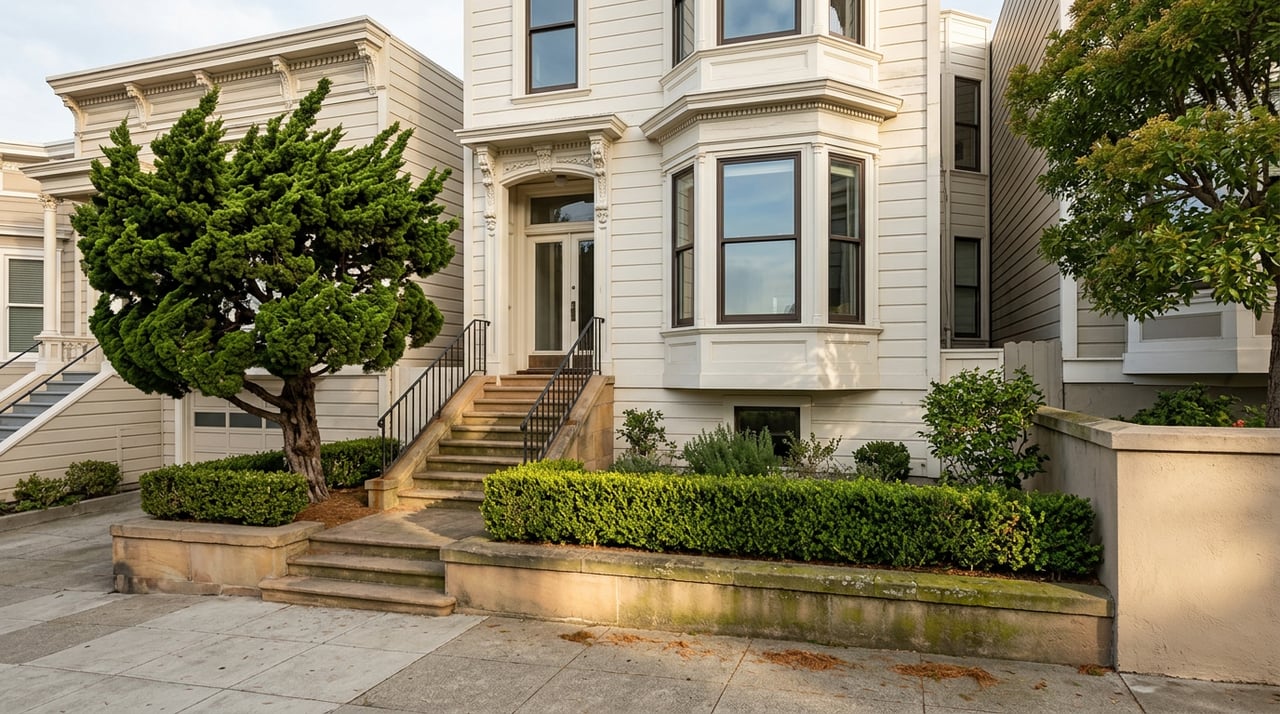
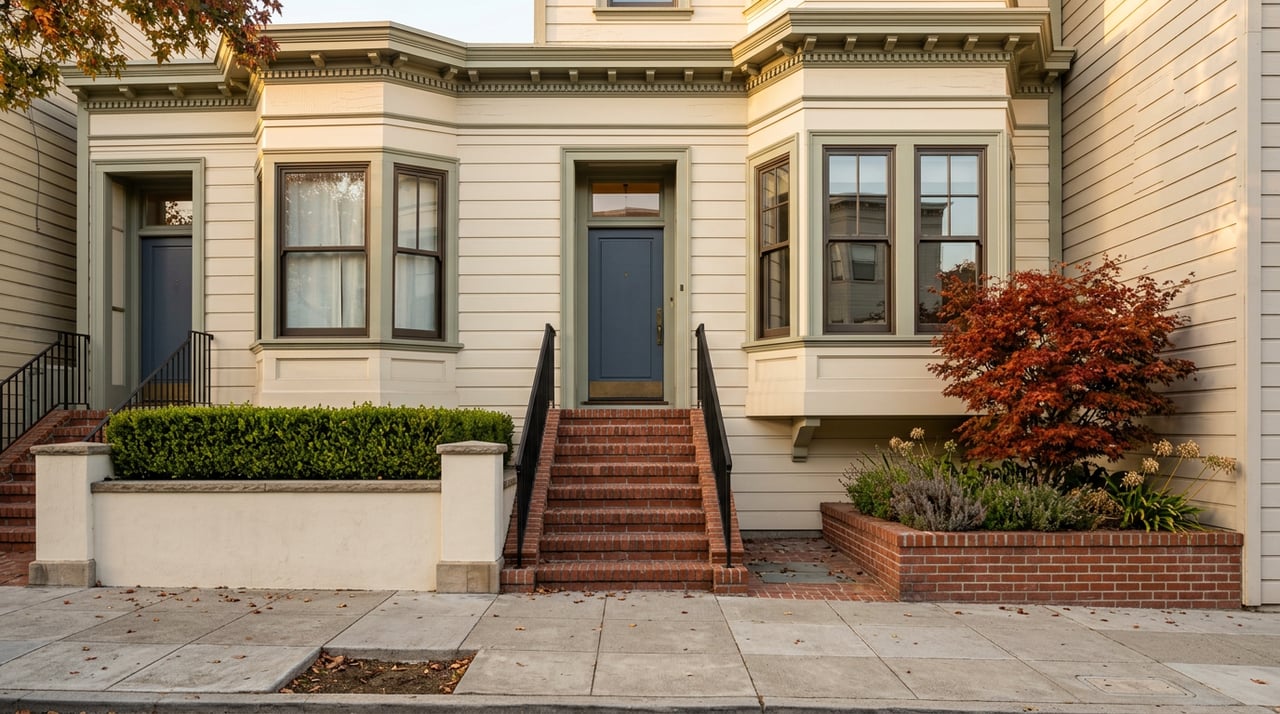
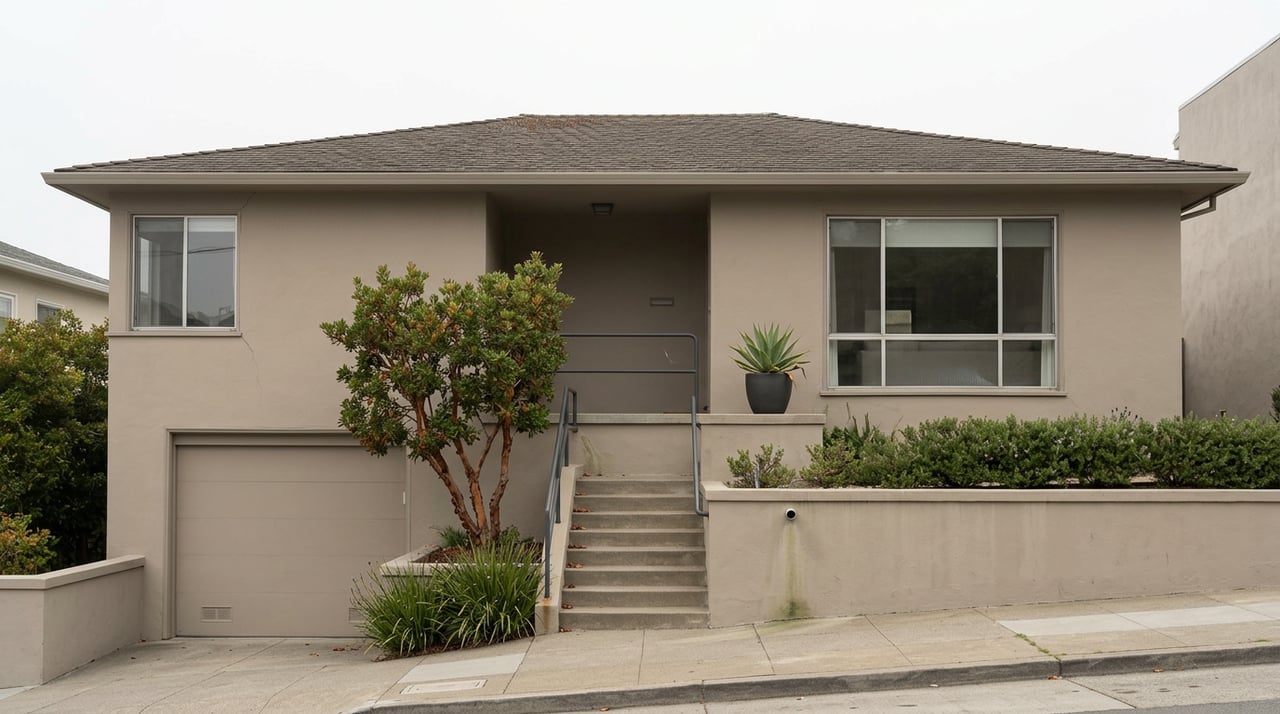
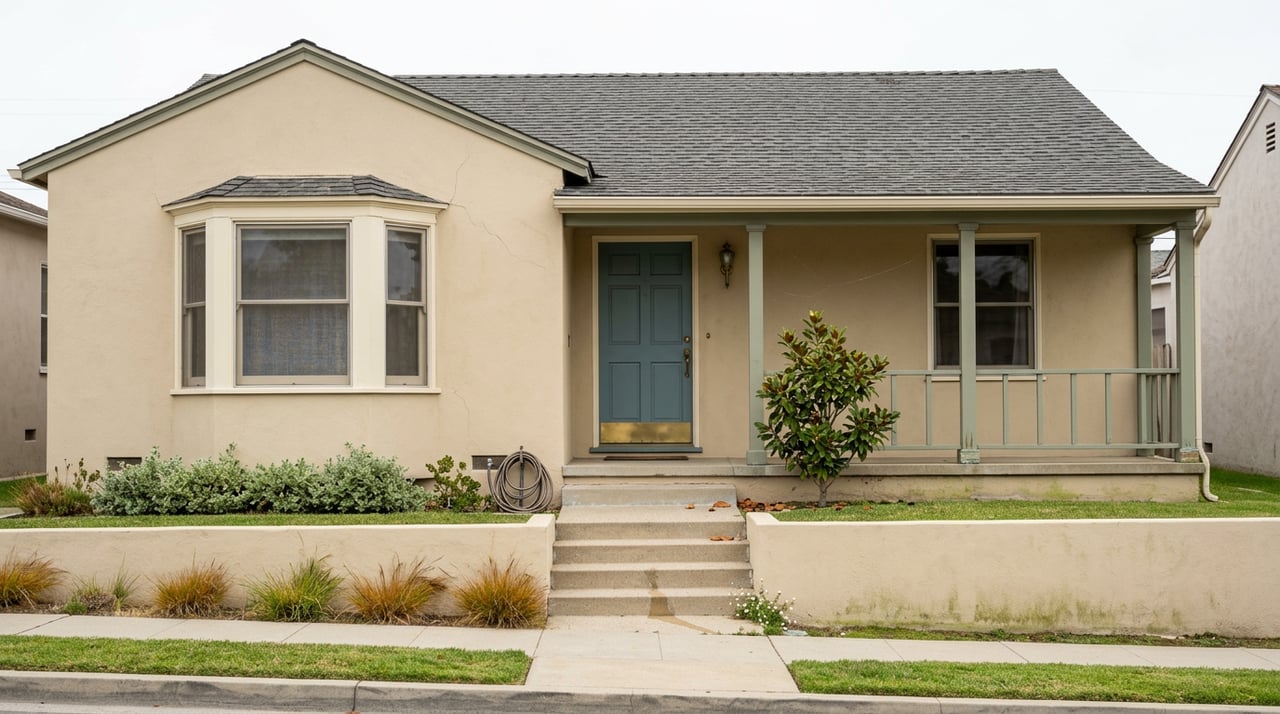
Noe Valley is a low‑rise mix. You will see classic single‑family Victorians and Edwardians, wood‑frame flats in 2–4 unit buildings, small apartment blocks, and a growing number of modern remodels and rebuilds. SF Planning data shows a substantial portion of single‑family homes alongside many 2–4 unit buildings, so open house tours often include both full houses and larger flats (SF Planning profile).
Layouts vary. Older homes may have formal living and dining rooms with separate kitchens. Newer renovations lean into open plans, family rooms that flow to outdoor space, and expanded bedroom counts. If you want 3 to 4 bedrooms plus a usable yard, single‑family homes usually offer the best match, although some upper‑level condos and flats include decks or shared gardens.
Pricing sits at the high end of the San Francisco market. Public market portals generally show typical sales in the neighborhood around 1.9 million to 2.2 million or more, with single‑family homes often in the low‑to‑mid 2 million range and top‑end rebuilds higher. Exact numbers vary by data provider and change quickly. For a precise read on a specific street or property type, rely on current MLS comps.
You will find three main ownership forms:
A lender‑aware approach matters here. Review HOA budgets, reserves, and CC&Rs for condos, and request TIC agreements up front when considering a TIC. Align your financing strategy with the property type well before you write an offer.
Finding outdoor space is a top goal for many growing households. In Noe Valley:
The J‑Church light rail runs along Church Street with stops through Noe Valley and a one‑seat or short‑transfer ride into the Market Street transit spine. SFMTA has been implementing stop‑spacing and safety changes along 22nd to 30th Streets to improve reliability (J‑Church route and updates). This makes rail a practical option for downtown access.
For regional trips, many residents use the 24th Street Mission BART station, which is a walk or a short bus or rideshare from central Noe Valley. Drivers connect to I‑280 and US‑101 for Peninsula commutes. Because block‑by‑block timetables differ, test your morning and evening commute from a few candidate homes before you commit.
The 24th Street corridor is the neighborhood’s daily hub, with cafés, bakeries, grocers, book and toy shops, and essential services. The Noe Valley Town Square on 24th between Vicksburg and Sanchez acts as a community plaza, hosting weekly Saturday farmers markets and a rotating schedule of family‑friendly events that make errands and playtime feel seamless (Town Square events and market).
Walkability is the big win. Many households combine short walks for errands with transit for longer trips. City data shows a meaningful share of walking and transit commuters within the neighborhood, which lines up with the village‑scale feel and the concentration of services in the core.
Noe Valley is ringed with parks and playgrounds. Two standouts for kids and caregivers are:
Programming shifts seasonally, so check the latest SF Recreation & Parks catalog for classes, sports, and events that fit your schedule (SF Rec & Park program catalog).
Families often reference Alvarado Elementary on Douglass Street and James Lick Middle on Noe Street as nearby public school options. Because San Francisco Unified School District uses an assignment process that can change, verify enrollment windows, program details, and current policies directly with SFUSD before you set your timeline or write an offer (SFUSD school directory and map).
Use a two‑track plan: clarify your school research while you evaluate homes, and adjust your offer timing to align with SFUSD enrollment windows when possible.
Use this quick list to keep your search focused and your due diligence tight:
Daily life tends to center on simple routines. Mornings often include a walk to 24th Street for coffee and groceries. Afternoons and weekends stretch across the Town Square, Upper Noe Rec Center, and playgrounds. Evenings are an easy ride on the J‑Church or a quick hop to BART when you need to cross the Bay or head down the Peninsula.
When you want a bigger bite of the city, you are close enough to the Mission and the Castro to sample new restaurants or grab late‑night options, then return to quieter streets. That blend of access and calm is why many households look to Noe Valley when they need more room but prefer to stay in San Francisco.
Buying in Noe Valley often means tight inventory, multiple offers, and nuanced financing choices across single‑family homes, condos, and TICs. You will do best with clear priorities, disciplined due diligence, and a lender‑aware approach to ownership structures and HOA health. If you want a partner who can combine underwriting‑level analysis with hands‑on project management from lenders to contractors and closing, connect with James Kil. Schedule a free consultation and build a smart, step‑by‑step plan.
Stay up to date on the latest real estate trends.
His background allows him to comfortably tune in to the ebbs and flows of the ever-changing market and provide uniquely catered advice to anyone, and he has built an extensive team of partners to leverage for the benefit of his clients.