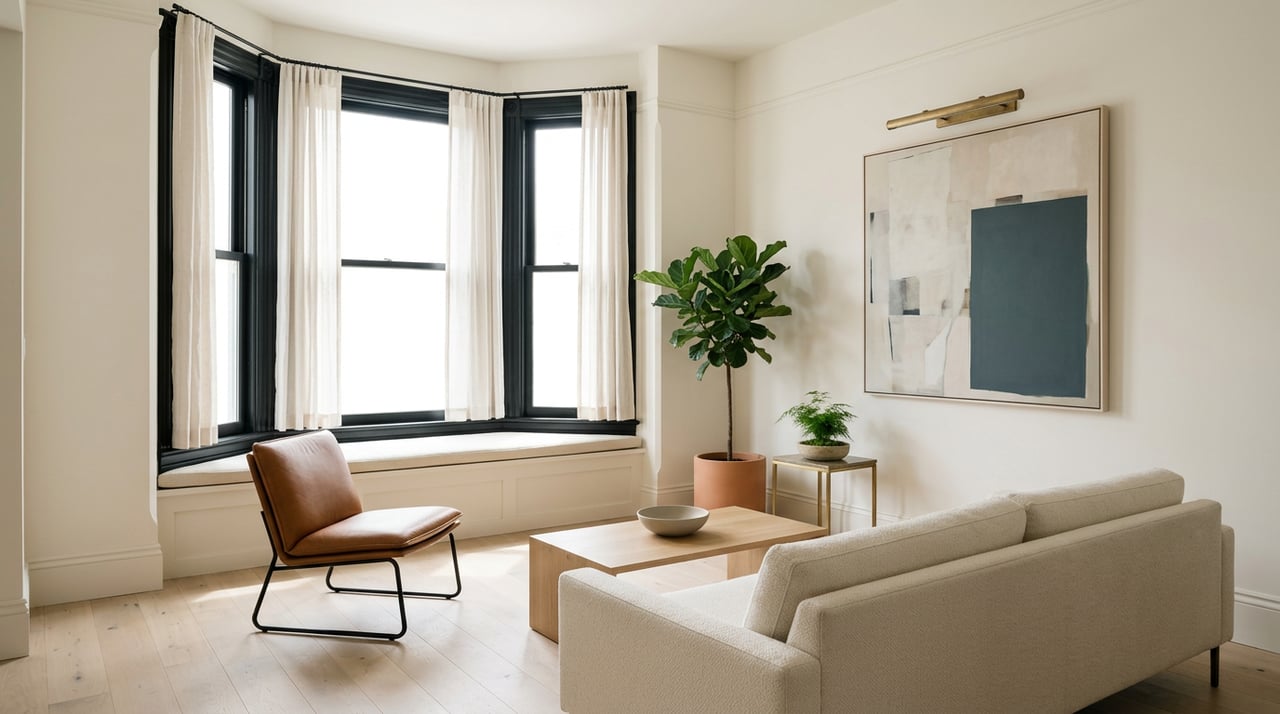
Selling A Pacific Heights Home In Today's Luxury Market
March 12, 2026
March 12, 2026
What if selling your Pacific Heights home was less about waiting for the “perfect moment” and more about executing a precise plan built for today’s luxury buyer? In a market defined by trophy properties, limited inventory, and selective buyers, you deserve a strategy that protects value and reduces friction from day one. In this guide, you’ll learn how to price with confidence, prepare at a concierge level, market locally and globally, and navigate jumbo and portfolio financing without surprises. Let’s dive in.
Pacific Heights sits at the very top of San Francisco’s luxury market. Recent neighborhood reporting shows District 7, which includes Pacific Heights, reached a 2025 median house price near $6.0M, with roughly 60 house sales through November. That is high value with low volume, which means a few trophy closings can swing medians. You should weigh the headlines carefully and focus on property‑specific value signals rather than broad averages. Local reporting provides the context sellers need.
Price per square foot remains among the city’s highest here, with recent reporting placing Pacific Heights around $1,400 per square foot and District 7 pacing more slowly than the city overall. Small sample sizes can make days on market appear bumpy from month to month, which is normal at the ultra‑luxury tier. Neighborhood‑level data backs up these patterns.
On rates, the national 30‑year fixed conforming average dipped below 6% by late February 2026, easing some affordability pressure. Ultra‑luxury buyers are often less rate sensitive, yet many still finance part of the purchase. It helps to know how rate moves affect jumbo and portfolio buyers entering the funnel. Freddie Mac’s weekly survey offers a clear benchmark.
In a low‑volume market, comps are sparse. Expect to widen the window to 12–36 months and adjust for non‑price attributes that drive value: views, outdoor space, lot size and terracing, garage and off‑street parking, architectural provenance, and the quality and permitting of upgrades. A single $10M to $30M sale can reset medians in a heartbeat, so build your price case around specific, high‑relevance comparables and the lifestyle features your home delivers.
Overpricing to “test the market” often increases days on market and invites negotiation drag. A right‑sized, evidence‑based list price paired with an exceptional launch is more likely to capture the best‑qualified buyers quickly. District 7 buyers are selective. Give them a price that matches the narrative and the production value of your marketing.
Most Pacific Heights sales exceed conforming limits, so appraisers often work with limited comps. It is smart to prepare a professional comp package that highlights recent high‑end closed sales, any off‑MLS trades you can cite, and replacement‑cost logic where appropriate. Consider a pre‑listing appraisal or broker valuation to anticipate financing hurdles and support your price during underwriting.
California requires a Transfer Disclosure Statement and related state and local documents for 1–4 unit residential sales. Delivering a complete disclosure package early reduces renegotiation risk. For legal references and guidance, review the state’s materials from the Department of Real Estate. The DRE’s legal references page is a helpful starting point.
Pre‑list inspections protect value by removing surprises. Recommended reports often include roof and structural summaries, wood‑destroying organism reports, and HVAC, electrical, and plumbing reviews. Buyers still screen online first, so pairing clean disclosures with strong visuals gets more serious showings. NAR’s buyer and seller profile shows ongoing reliance on online content and virtual tours.
Luxury buyers expect an elevated presentation. That typically means professional daytime and twilight photography, a cinematic video, drone aerials where appropriate, a 3D walkthrough, and clean floor plans. Industry research shows that high‑quality visuals and virtual walkthroughs increase engagement and qualified inquiries for premium properties. Data on virtual staging and 3D tours supports the investment.
In San Francisco, unpermitted work can slow underwriting and affect value. Gather permit history and approvals up front. If the property is a condo or part of an association, assemble the full HOA packet early, including budgets, meeting minutes, and reserve studies. Many Bay Area jurisdictions also require sewer lateral compliance at sale. Confirm the latest rules for your address with your escrow officer and the City and County of San Francisco.
A successful Pacific Heights launch combines broad exposure with targeted reach. Your MLS listing and standard syndication create baseline awareness, but the luxury tier is won with precision and production value. Expect a coordinated mix of:
Coldwell Banker Global Luxury distribution extends reach to high‑intent audiences and partner agents, while your local agent’s network drives private previews and qualified traffic. The goal is not just more eyeballs. It is better alignment between the property’s story and the buyers most likely to act.
The 2026 baseline conforming loan limit is $832,750, with a $1,249,125 ceiling in high‑cost areas. Most Pacific Heights homes trade far above those thresholds, so financed buyers typically use jumbo or portfolio loans. This is a different playbook than the conforming market. FHFA’s limits make the gap clear.
Jumbo and portfolio loans are set by individual lenders, not Fannie Mae or Freddie Mac. They often require stronger credit, larger down payments, and more reserves, and lenders will scrutinize appraisals and property condition closely. Selecting lender partners with proven jumbo experience in San Francisco shortens the path to closing. Here is a plain‑English overview of conforming versus non‑conforming lending.
Portfolio and non‑QM products, such as bank‑statement or asset‑depletion loans, help self‑employed, high‑asset, or foreign‑national buyers who do not fit standard documentation. If your listing welcomes these structures, say so in the agent remarks and qualification instructions. Examples of non‑QM programs show how flexible underwriting can work.
Many luxury purchases close with cash or with private‑bank facilities like securities‑backed lines of credit. That reduces sensitivity to rate changes and increases the importance of clear proof of funds and clean title documentation. NAR’s buyer profile highlights the prevalence of cash among repeat buyers.
Selling in Pacific Heights rewards precision. With underwriting‑grade pricing, concierge prep, and a lender‑aware marketing plan, you can attract the right buyers and move from launch to closing with confidence. If you are considering a sale, let’s talk about the plan that fits your home and timing. Schedule a free consultation with James Kil.
Stay up to date on the latest real estate trends.
His background allows him to comfortably tune in to the ebbs and flows of the ever-changing market and provide uniquely catered advice to anyone, and he has built an extensive team of partners to leverage for the benefit of his clients.