Shopping for a condo in Pacific Heights and wondering if it will qualify for your loan? One word can shape your entire path to closing: warrantable. It affects which lenders will work with you, what your rate looks like, and even how easy it will be to resell later. In this guide, you’ll learn what warrantability means, why it matters in San Francisco, how to spot red flags, and the practical steps to protect your purchase. Let’s dive in.
What “warrantable” means
A condo is considered warrantable when it meets the eligibility rules that most conventional lenders use, which typically mirror Fannie Mae and Freddie Mac guidelines. When a project is warrantable, you can access a wide range of lenders and usually better terms. If a project is non-warrantable, many conventional lenders will not finance it. You may need cash, a portfolio lender, or a government program like FHA or VA if available.
In simple terms, warrantability controls your financing options and can influence price, timing, and your overall risk. It is a key part of due diligence for any San Francisco condo purchase.
Why warrantability matters in Pacific Heights
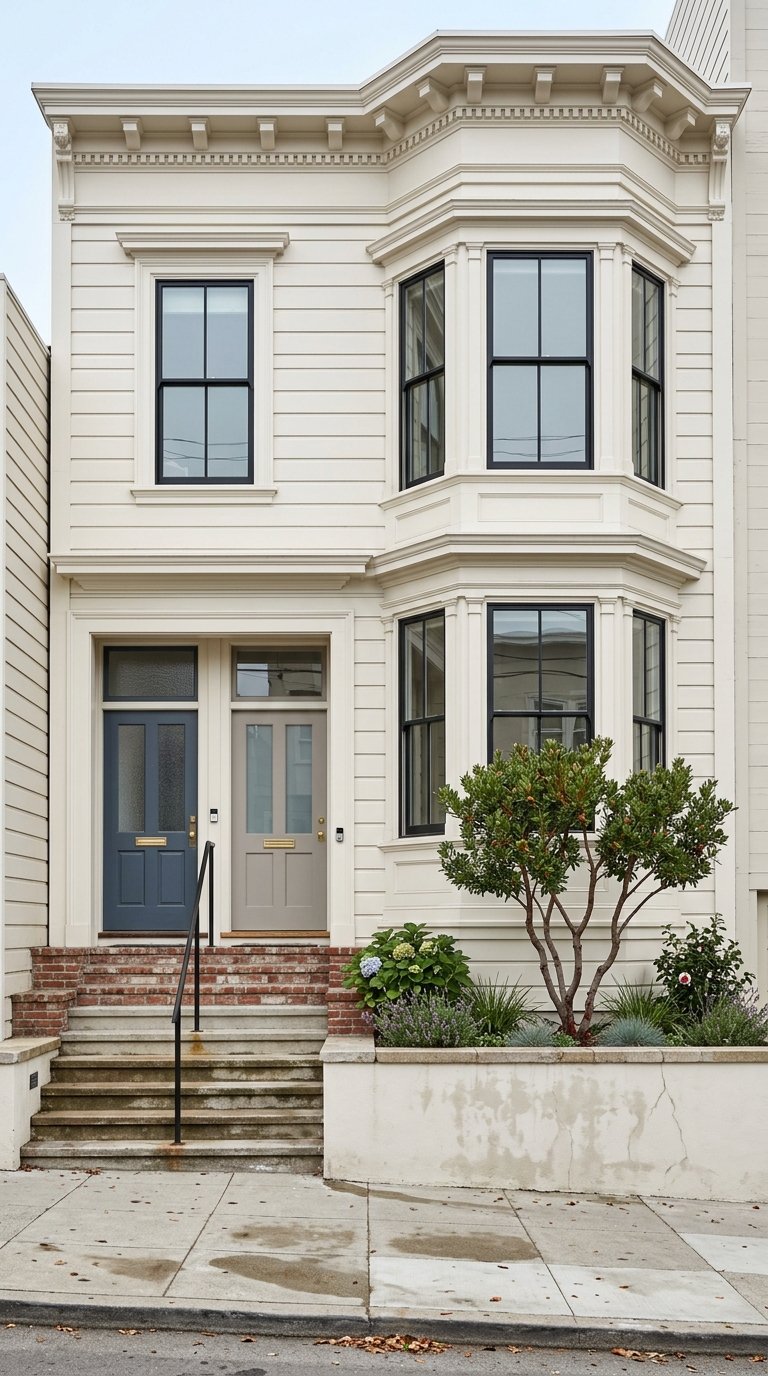
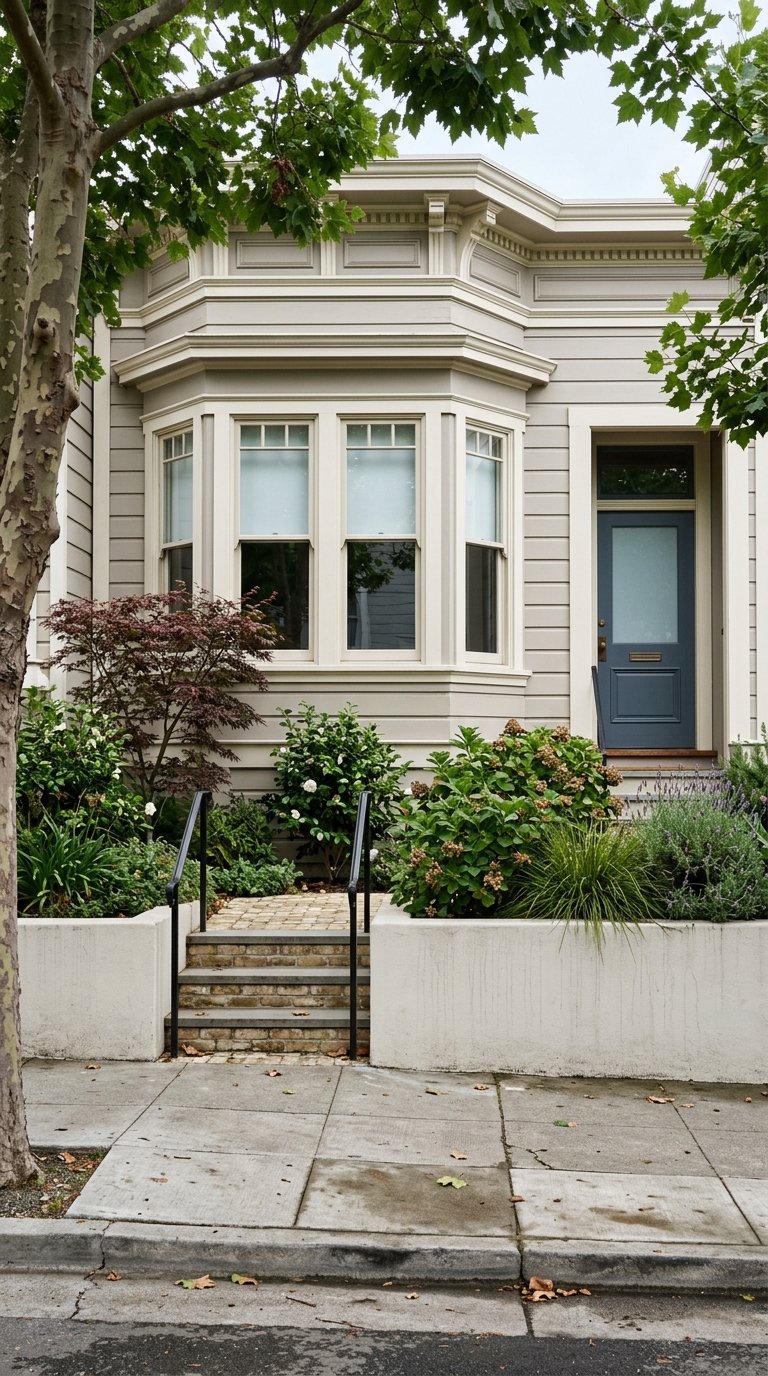
Pacific Heights has a unique mix of older, historic buildings and small condo associations. Many buildings started as rentals or flats that were later converted to condos, which can mean nonstandard documents or small HOAs with lean budgets. Small associations, older buildings, and conversions are more likely to draw extra lender scrutiny.
Local rules also matter. San Francisco limits short-term rentals to a host’s primary residence and requires registration. Older buildings may have seismic or facade work, and large repairs can lead to special assessments. Any of these factors can affect a lender’s view of project risk and eligibility.
Lender criteria and common red flags
What lenders review
- Project type and legal structure, including whether the property is a true condo versus a TIC or co-op.
- Number of units in the building, since very small projects can trigger special review.
- Owner-occupancy ratio and investor concentration.
- HOA budget health, reserve funding, and recent or planned special assessments.
- Amount of commercial space or other non-residential use.
- Pending litigation involving the HOA or project.
- Insurance coverage for common areas and the master policy deductible and exclusions.
- HOA dues delinquency rates and overall financial controls.
- Properly recorded CC&Rs, bylaws, articles, and condominium plan.
- Leasing rules and short-term rental policies that may affect occupancy patterns.
Red flags that often make projects non-warrantable
- A large percentage of units owned by a single entity or small investor group.
- Low owner-occupancy rates across the project.
- Significant commercial or retail space relative to residences.
- Thin reserves, operating deficits, or substantial special assessments.
- Any active litigation, especially construction defect or insurance disputes.
- Gaps in conversion records or improperly recorded condo documents.
- Unusual legal provisions or widespread short-term rental use contrary to rules.
Local issues to watch in Pacific Heights
- Small associations from historic conversions, often 2 to 6 units, with informal operations.
- Nonstandard CC&Rs that do not fully cover shared structural elements like foundations or facades.
- Specialty insurance needs for historic buildings, including high deductibles.
- Possible seismic, facade, or accessibility projects that may require funding through assessments.
- Short-term rental compliance, since this affects occupancy and lender review.
Due-diligence checklist for buyers
Get these documents from the seller or HOA before you remove financing contingencies. Many lenders will request several of them during underwriting.
Documents to request
- Recorded CC&Rs, bylaws, and articles of incorporation.
- Condominium plan and recorded deeds that show legal boundaries.
- Current-year HOA budget and recent prior-year budgets.
- Latest reserve study and bank statements showing reserve balances.
- HOA financial statements and bank statements for operating and reserve accounts.
- List and details of pending or recent special assessments, plus vote records.
- Master insurance certificate, including type, limits, and deductible.
- HOA board meeting minutes for the last 12 months and any special meeting minutes.
- Owner roster to assess owner occupancy and investor concentration.
- Litigation disclosure letter and pleadings if litigation exists.
- Management agreement if a third-party manager is used.
- Evidence of condo conversion compliance and recorded condominium plan for conversions.
- Current rules and leasing or short-term rental policies.
What to review and ask
- Owner-occupancy percentage and whether any owner holds multiple units.
- Whether the HOA has applied for, been approved, or been denied for FHA, VA, or conventional programs.
- Any pending or planned repair projects and how they will be funded.
- Recent special assessments, the amounts per unit, and payment schedules.
- Whether the master policy covers property and general liability for common areas, and the deductible.
- Whether leasing and short-term rental rules are enforced and whether any units are in violation.
- Whether financials are audited or prepared by a CPA, and the current dues delinquency rate.
Timing tips
- Expect 7 to 21 days to gather a complete HOA package, longer if records are incomplete or if a management company is involved.
- Allow several weeks for a full lender project review and more time for FHA or VA approvals when applicable.
- Build your contingency timelines to fit the expected document and review windows.
Financing paths if a condo is non-warrantable
- Portfolio loans from local or community banks: more flexible on project issues, often higher rates and larger down payments.
- Portfolio or private lenders: similar flexibility with a tradeoff in cost and terms.
- FHA or VA single-unit approvals: possible on a case-by-case basis, program-specific and subject to lender acceptance.
- Jumbo loans: may work if the lender is comfortable with the project, but many follow conventional guidance.
- Cash purchase or larger down payment: removes or reduces lender constraints.
- Seller financing or carryback: sometimes used as a bridge when conventional financing is not available.
Practical tip: identify your intended lender early and ask whether the project is on its approved list and what documents they need.
How warrantability affects price and resale
Non-warrantable units typically have a smaller buyer pool, which can increase days on market. You may see fewer offers and more back-and-forth on terms. Pricing often reflects this constraint, and discounts compared to similar warrantable units are common. The impact varies based on market conditions and inventory.
If you are buying a non-warrantable unit, use longer financing and HOA document contingencies. Confirm a viable loan path before you waive anything and be ready to adjust your offer strategy.
Pacific Heights buyer action plan
Early verification: Ask upfront if the HOA or project is known to be warrantable and what documentation is available.
Pick your lender: Get preapproved and confirm exactly which condo documents your lender needs for project review.
Request the HOA package: Build 7 to 21 days into your timeline for documents and longer for complex conversions or legal reviews.
Professional review: Have your lender, your real estate attorney, and your agent review the HOA documents. For historic or complex structures, consider a structural or condo-specialist attorney review.
Plan B ready: If the project looks non-warrantable, evaluate portfolio lenders, FHA or VA single-unit options, or cash, and adjust price and contingency timelines.
Work with a lender-aware advisor
In a neighborhood with small HOAs, historic conversions, and evolving rules, you benefit from an advisor who understands underwriting and project eligibility. A lender-aware approach helps you avoid surprises, set realistic timelines, and keep your financing on track. If you want a clear plan, a tight checklist, and white-glove coordination from offer to closing, let’s talk.
Ready to evaluate a Pacific Heights condo and its warrantability? Schedule a free consultation with Unknown Company.
FAQs
What does “warrantable condo” mean in San Francisco?
- It means the building meets the eligibility rules used by most conventional lenders, which affects your access to standard mortgages and typical rates.
How do I check if a Pacific Heights condo is warrantable?
- Ask for HOA documents, then have your lender review them and confirm whether the project meets their eligibility criteria.
What red flags commonly make Pacific Heights condos non-warrantable?
- Small HOAs with limited reserves, pending litigation, significant commercial space, low owner-occupancy, or gaps in condo conversion records.
If a condo is non-warrantable, can I still get a loan?
- Often yes, through portfolio lenders, FHA or VA single-unit approvals when applicable, or by using a larger down payment or cash.
How does non-warrantability affect my offer strategy in SF?
- Plan longer contingencies, lock down a viable financing path early, and factor reduced buyer demand into pricing and terms.